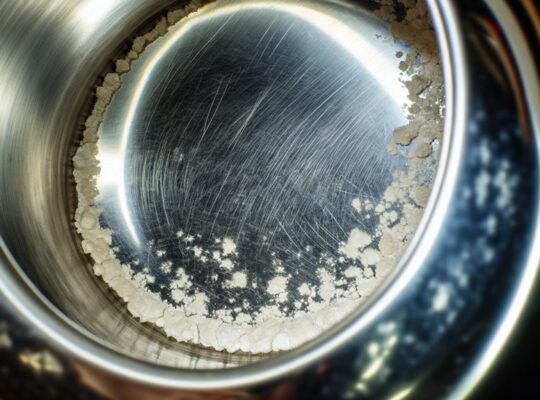
You’ll find a concealed heating element is a sealed, under‑base plate or cartridge that transfers heat to water without exposed live parts. It uses insulation, gaskets, and corrosion‑resistant materials to isolate electrical components and reduce scale contact. This design improves safety and cleaning, and can change boil speed and efficiency — but there are trade‑offs in repairability and heat transfer behavior that you’ll want to consider next.
Key Takeaways
- A concealed heating element is a sealed heater mounted beneath the kettle base, not exposed directly to the water.
- Its flat plate or bonded element improves heat transfer for faster boiling and more uniform heating.
- Sealed design isolates live electrical parts, reducing shock risk and slowing limescale buildup on the element.
- Double-walled insulation and grounded base enhance safety and reduce heat loss for better energy efficiency.
- Repair often requires manufacturer service, since the element is hidden and parts are model-specific.
How a Concealed Heating Element Works
Because the heating element is hidden beneath the kettle’s base, heat transfers directly through the metal plate into the water without exposed coils. You’ll notice faster, more uniform heating because the element’s thermal contact area is maximized and convective losses are minimized. An electric resistor bonded to the underside of the base conducts heat into the plate; the plate then conducts and radiates heat into the adjacent water column. Temperature sensors and an automatic cut-off are mounted to monitor base temperature and prevent dry-boil conditions; you’ll rely on these controls for safety. The sealed assembly isolates live components from water, reducing shock risk and scale accumulation on the element. Service access is limited, so you should follow manufacturer guidance for descaling and repairs. When you operate the kettle, ensure the base and seals are intact, the lid closes properly, and the auto-shutoff engages, since compromised seals or sensors can create overheating or electrical hazards. Portable car kettles often use a 12V DC supply and come with a car adaptor for power, making them convenient for travel and long journeys with family or friends car adaptor.
Types of Concealed Elements Used in Kettles
Having covered how concealed elements transfer heat and are sealed for safety, next look at the specific element types manufacturers use and how their designs affect performance, durability, and maintenance. You’ll encounter variation in construction material, mounting method, and protective layers; each impacts thermal response, scale accumulation, and service life. Select models prioritize rapid boil, others prioritize corrosion resistance or ease of descaling. Below are common concealed element types and their technical characteristics:
- Stainless-steel sheathed rod — welded into the base; offers good corrosion resistance, moderate thermal mass, straightforward replacement if brazed access exists.
- Press-fit cartridge element — compact, cartridge-style unit pressed into housing; provides tight sealing and quicker replacement, but requires gasket integrity.
- Glass-ceramic bonded element — element embedded beneath a glass-ceramic plate; minimizes direct water contact and eases cleaning, but demands careful fracture prevention.
- Copper core with stainless sheath — combines copper’s conductivity with stainless protection; balances rapid heat transfer and corrosion resistance, but can suffer galvanic concerns if dissimilar metals contact water.
- Manufacturers often choose elements and power ratings (e.g., 1500W heating elements) to balance boil speed and energy use based on intended kettle capacity and use-case.
Benefits of Concealed Elements Over Exposed Coils
You’ll notice concealed elements are easier to clean because there are no exposed coils trapping scale. They also transfer heat more uniformly and reach boiling faster due to improved surface contact and reduced thermal resistance. That uniform, protected design typically extends element lifespan by minimizing corrosion and mechanical wear. Selecting the right kettle materials can further improve heat retention and efficiency.
Easier to Clean
How much simpler is cleanup with a concealed heating element? You’ll find maintenance is more straightforward because there’s a flat, enclosed base instead of exposed coils that trap scale and debris. You can wipe surfaces quickly, reducing contact with limescale and minimizing chemical descaler use. That lowers risk of inhaling fumes or touching corrosive solutions.
- Smooth base: no crevices where scale lodges, so mechanical removal is easier.
- Wipe-clean surfaces: a damp cloth removes residue without disassembling parts.
- Fewer crevices: reduces bacterial harborage points, improving hygiene.
- Reduced descaling frequency: enclosed design slows scale accumulation, cutting exposure to caustic cleaners.
Follow manufacturer instructions for safe cleaning and let the kettle cool before you touch internal surfaces.
Faster, Even Heating
Why does a concealed heating element usually boil water faster and more uniformly than exposed coils? Because the element is flush-mounted beneath a metal or stainless-steel plate, it transfers heat directly into the liquid with minimal convective losses. You get larger contact area and reduced thermal resistance compared with exposed coil geometry, so more of the electrical energy converts to useful heating of water rather than heating air or kettle internals. The plate design promotes uniform temperature distribution across the base, reducing localized hotspots that can produce uneven boiling or steam surges. For safety-conscious users, this means fewer sudden vapor jets and more predictable boil times, which lowers scald risk and supports built-in auto-shutoff sensors functioning reliably.
Longer Element Lifespan
Curious what extends the life of a concealed heating element compared with exposed coils? You’ll find concealed elements are engineered to reduce mechanical, chemical, and thermal stress, so they last longer and stay safer in regular use.
- Encapsulation: The element’s metal sheath and welds isolate it from water and lime, preventing corrosion and pitting that shorten coil life.
- Reduced scale adhesion: Smooth, flush surfaces lower mineral buildup, so thermal hotspots and repeated overheating are less likely.
- Mechanical protection: The element isn’t bumped or flexed during handling, reducing fatigue fractures from vibration or impact.
- Controlled heat transfer: Uniform conduction through the kettle base avoids local overheating, lowering thermal cycling and metal fatigue.
These factors mean fewer failures and safer operation.
Common Drawbacks and Limitations
What trade-offs should you expect with concealed heating element kettles? You’ll gain protection from direct contact and reduced scale build-up points, but there are specific limitations. Serviceability is reduced: the element is embedded beneath a metal plate or tank, so diagnosing faults requires disassembly, specialized tools, or manufacturer service. You’ll face potentially higher repair costs and longer downtime. Visual inspection of the element isn’t possible, so you must rely on operational indicators (noise, heat-up consistency) to detect degradation. Some concealed designs trap sediment under the plate, making aggressive descaling or mechanical cleaning less effective; follow manufacturer-approved chemical descalers and protocols. Replacement parts may be model-specific and harder to source, increasing lifecycle cost. For safety, be aware that concealed elements can conceal corrosion or insulation failure until an advanced stage; maintain scheduled inspections and electrical testing. Keep documentation and warranty information accessible, and prioritize units with clear service manuals and certified parts to reduce risk. Also consider capacity and build material choices—such as stainless steel options like the Wipro Vesta—when weighing long-term safety and maintenance implications.
Impact on Heating Speed and Energy Efficiency
You’ll notice concealed elements often produce faster boiling times due to improved heat transfer and reduced surface exposure. That efficiency typically translates to lower energy consumption per boil when kettles use well‑integrated, insulated designs. Next, we’ll quantify time-to-boil and energy draw comparisons to show typical savings. Many users also find concealed elements are better for easy cleaning and long‑term maintenance compared with exposed‑element designs.
Faster Boiling Times
How much faster does a concealed heating element bring water to boil, and why does that matter for energy use? You’ll see reduced boil times because concealed elements sit flush against the kettle base, improving conductive heat transfer and minimizing thermal resistance. That faster ramp-up affects how long the heater is active, which influences operational energy delivery without delving into overall consumption figures.
- Direct contact: less air gap, higher heat flux to fluid, faster temperature rise.
- Surface area: smooth, broad plate spreads heat uniformly, reducing hotspots and cycle time.
- Thermostat response: quicker temperature attainment lets safety cutoffs engage reliably.
- Scale management: concealed surfaces reduce exposed crevices where scale insulates, preserving heat transfer efficiency.
Use as intended; inspect seals and wiring regularly.
Lower Energy Use
Why does a concealed heating element typically cut energy use during boiling? Because it’s flat and directly bonded to the kettle base, you get improved thermal coupling and reduced heat losses. Less surface area exposed to air and no external coil means more input power transfers into the water rather than heating surrounding materials. You’ll reach target temperatures faster with lower standby and cycling losses, so total electrical consumption per boil drops. For safety-conscious users, that also reduces surface hot spots and uneven heating that can cause localized boiling or material stress. Still, efficiency gains depend on insulation, kettle size, and fill level; always follow manufacturer fill minima and avoid dry-boil situations to preserve efficiency and prevent hazardous failure.
Effects on Limescale Buildup and Cleaning
A concealed heating element alters limescale dynamics by removing the exposed metal surface where scale typically deposits, so you’ll see slower accumulation on the kettle base and fewer hard-to-reach crusts. You’ll still get mineral precipitation, but it tends to form as loose particles in the water or thin films on the interior wall rather than hard adhesions on the element. That changes cleaning frequency and technique: you can flush or filter suspended deposits and use milder descaling cycles. Materials and surface finish matter; smooth stainless or enamel reduces nucleation sites. Monitor performance metrics (boil time, audible boiling) to detect progressive buildup.
- Reduced adhesion — scale less likely to bond to concealed element surfaces; deposits remain more suspendable.
- Easier mechanical cleaning — rinsing and gentle scrubbing remove films without element exposure.
- Descaler efficiency — liquid descalers contact interior surfaces uniformly; lower concentrations suffice.
- Inspection needs — periodic visual checks and performance monitoring replace frequent element brushing.
- Many stainless steel kettles also feature double-walled construction, which can affect heat retention and cleaning needs double-walled construction.
Safety Advantages and Potential Risks
Could concealed heating elements actually make kettles safer while introducing new risks? You get reduced external burn risk because the heating element is enclosed beneath a flat base, lowering direct contact points and minimizing exposed hot metal. Thermal transfer is controlled; insulation and base sealing reduce convective heat loss and limit surface temperatures, which helps prevent accidental scalding.
However, concealed designs can mask faults. If the internal element or its solder joints fail, you may not see damage until leakage occurs. Water intrusion into the housing can create short circuits or corrosion that compromise automatic shutoff and boil-dry protection. Repair is more difficult and often requires full disassembly, increasing service time and cost, and sometimes encouraging replacement rather than repair.
To stay safe, you’ll want regular inspections for unusual odors, sounds, or leaks, test automatic cutoff functionality, and follow manufacturer service recommendations to mitigate concealed-element-specific failure modes. Many travelers also prefer alternatives like a travel kettle or thermos when using electric appliances on trains to reduce safety and compliance issues.
Materials and Construction to Look for
Which materials and construction details should you prioritize when choosing a kettle with a concealed element? You’ll want components and assembly that minimize corrosion, prevent contamination, and ensure reliable thermal transfer while reducing failure modes.
- Stainless steel (304 or 316) interior: corrosion-resistant, non-reactive with water, and robust against scale; 316 is preferable in hard-water areas.
- High-grade concealed heating plate: smooth, welded or laser-brazed junctions to eliminate crevices where scale and bacteria accumulate; ensure surface hardness and uniform contact for efficient conduction.
- Food-grade seals and gaskets: silicone or EPDM rated for repeated thermal cycling; verify temperature and chemical compatibility to avoid degradation or leaching.
- Double-walled insulation and grounded base: thermal barrier to keep external surfaces cool, plus reliable grounding and strain-relief on power connections to mitigate electric-shock risk.
Inspect manufacturer specs for material grades, joint methods, and relevant safety certifications (e.g., UL, CE) before purchase. Many top multipurpose kettles also include concealed heating element designs that improve safety and simplify cleaning.
Maintenance Tips for Longevity and Performance
Having chosen a kettle with the appropriate stainless interior, high-grade concealed heating plate, and durable seals, you’ll keep performance and lifespan high by establishing simple, regular maintenance habits. Descale at manufacturer-recommended intervals using a mild acid solution (citric acid or white vinegar diluted per instructions); flush thoroughly to remove residues. Wipe the interior dry after each use to minimize mineral buildup and corrosion risk. Inspect the concealed plate and seal area monthly for limescale, pitting, or seal degradation; address minor deposits with a non-abrasive brush to avoid scratching the plate. Never immerse the base or electrical components; clean the exterior with a damp cloth and mild detergent. Replace worn seals and thermostats promptly with manufacturer-approved parts to maintain thermal cutoff reliability. Use filtered water where feasible to reduce scaling. Store the kettle with the lid open to prevent trapped moisture and microbial growth. Follow safety labels and disconnect power before any maintenance. Electric kettles are generally more energy-efficient than stovetop kettles, which can reduce energy use over time.
Choosing the Right Kettle With a Concealed Element
When choosing a kettle with a concealed element, focus on safety features like auto shut-off, boil-dry protection, and robust insulation to ensure long-term durability. You’ll also want to evaluate heating efficiency by checking wattage, element design, and reported boil times to balance speed against energy use. Prioritize models with corrosion-resistant materials and clear performance specifications for reliable, fast operation. Consider reputable manufacturers such as Prestige and Morphy Richards when comparing warranty support and build quality.
Safety and Durability
A concealed heating element improves safety and extends service life by sealing the element beneath the kettle’s base, reducing scald risk and minimizing scale accumulation. You’ll get a cleaner contact surface that’s easier to inspect externally and less prone to accidental contact. The sealed design lowers corrosion pathways and isolates electrical parts from liquid ingress, so longevity and safe operation are enhanced.
- Reduced contact hazard: element inaccessible, lowering burn and electric-shock risk.
- Scale control: flat base limits deposit buildup on heating surface, easing maintenance.
- Corrosion resistance: fewer seams and gaskets reduce leak initiation points.
- Fail-safe integration: thermostats and auto-shutoff mount remotely, enabling reliable cutoffs without exposed wiring.
Select models with certified insulation and IP-rated seals for quantified safety.
Heating Efficiency and Speed
Look for kettles with high-wattage concealed elements and low thermal mass to get the fastest boil times and best energy transfer; a 2,200–3,000 W element in a thin stainless or aluminum chamber will heat water far quicker than lower-watt models, while flat concealed plates minimize air gaps and improve conductive contact with the tank. You’ll want rapid power-to-volume ratio: higher watts reduce time-to-boil linearly within practical limits, but efficient heat transfer depends on element-to-tank interface and tank conductivity. Choose units with calibrated thermostats and auto-shutoff to prevent dry-boil conditions when speed increases risk. Insulation around the vessel preserves heat post-boil, reducing reheats. Prefer models tested to IEC or equivalent standards and with clear safety interlocks; documented performance data helps you compare real-world efficiency.
Frequently Asked Questions
Can a Concealed Element Be Repaired if It Fails?
Yes — you can sometimes repair a failed concealed element, but you shouldn’t. You’ll need proper insulation, sealed wiring, and pressure-tested seals; repairs often compromise safety and void warranties, so replacement or professional service is recommended.
Do Concealed Elements Affect Water Taste?
They generally won’t affect taste if intact and made from stainless steel; mineral buildup can impart off-flavors, so you’ll descale regularly, use filtered water, and inspect seals/coatings to ensure no corrosion or contamination occurs.
Are Kettles With Concealed Elements Dishwasher-Safe?
Generally no; you shouldn’t put electric kettles in the dishwasher. Concealed-element kettles may tolerate washing exterior parts, but submerging or dishwasher cycles can damage seals, electronics and insulation. Follow manufacturer instructions for safe cleaning.
How Long Is the Typical Warranty for Concealed-Element Kettles?
Typical warranties for concealed-element kettles run one to two years, though some brands offer up to three years. You should check specific terms, coverage for defects, and whether electrical or accidental damage is excluded.
Do Concealed Elements Work With Induction Bases?
No — concealed heating elements in kettles don’t work with induction bases because they’re resistive metal plates or hidden coils, not ferromagnetic induction-compatible surfaces; you’ll need a kettle specifically designed for induction use to be safe.