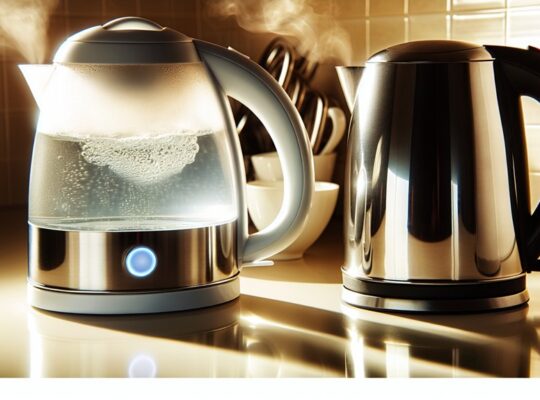
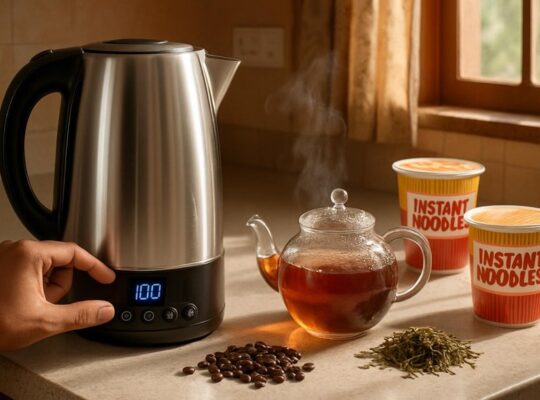
If you’re choosing between a plastic and a stainless steel electric kettle, material matters more than you might think. Plastics labeled BPA-free can still contain other additives and may degrade with repeated heat, while 304/316 stainless resists corrosion and leaching. You’ll want to consider certifications, taste changes, and long‑term durability — and there are a few practical checks that quickly tell you which option lowers risk.
Key Takeaways
- Stainless steel kettles (especially 304/316) resist corrosion, heat deformation, and are least likely to leach metals or additives into boiling water.
- Plastic kettles labeled BPA-free can be safe, but heat can still increase leaching of other additives and produce plastic flavors or odors.
- Scale buildup traps organics and metals; regular descaling and initial rinses reduce contamination risks regardless of material.
- Mechanical durability favors steel—less cracking, warping, and leakage risk over time compared with many plastics.
- Verify safety via third-party certifications (food-contact, UL/CE, RoHS/REACH) and manufacturer material disclosures, not just marketing claims.
Why Material Choice Matters for Kettles
Why should you care whether a kettle’s made of plastic or steel? You’ll want to choose a material that minimizes chemical exposure, withstands repeated use, and’s easy to clean. Material affects leaching potential, durability, and how the appliance responds to wear: high-quality stainless steel is inert, resists corrosion, and won’t degrade under normal handling; certain plastics can contain additives like BPA or phthalates unless explicitly labeled BPA-free. You’ll also consider mechanical integrity—metal resists cracking and warping better than many thermoplastics, which lowers risk of leaks and electrical faults. Weight and heat conduction matter for handling safety: lighter plastic models might be easier to lift but can feel less stable; metal conducts heat differently, affecting external surface temperatures. Regulatory compliance and manufacturer testing provide objective safety signals, so you should check certifications, material disclosures, and user reviews for long-term performance. Prioritize materials with verified testing and clear labeling to reduce potential hazards. Also be aware that using kettles for tasks they weren’t designed for, like frying, increases fire hazard and other safety risks.
How Heat Affects Plastic and Stainless Steel
How does heat change what your kettle’s made of? When you boil water, temperature stresses materials differently. Stainless steel keeps dimensional stability and strength at boiling temperatures; it resists warping, doesn’t soften, and has high corrosion resistance when grades like 304 or 316 are used. That means the metal surface stays intact under repeated heating cycles and is less likely to shed particles from thermal fatigue.
Plastics, by contrast, soften and can deform as they approach their glass transition or melting temperatures. Many kettle plastics are engineered to withstand boiling, but prolonged exposure to hot water and repeated cycles can cause microcracking, surface crazing, or gradual loss of structural additives. Heat can also accelerate leaching processes for any mobile components in the polymer matrix. For safety, prefer materials and designs rated for continuous boiling, inspect for cracks or discoloration, and replace units showing thermal damage to minimize risks. Some premium kettles also include boil-dry protection and other safety features to reduce damage from repeated heating cycles.
Chemicals to Watch For in Plastic Kettles
When you’re comparing plastic kettles to steel, watch for chemicals that can leach into hot water, starting with BPA and whether the product is truly labeled BPA-free. Higher temperatures can increase leaching of other additives, so pay attention to manufacturer testing and temperature limits. Also note any persistent plastic odors or tastes, which can indicate residual chemicals or breakdown products. Regular descaling helps prevent mineral buildup that can affect performance and taste.
BPA and BPA-Free Plastics
Curious about what “BPA-free” really means on a kettle label? You should know BPA (bisphenol A) is a chemical once common in polycarbonate plastics and epoxy resins; studies link BPA exposure to endocrine disruption at high doses in animals and mixed results in humans. Manufacturers now advertise BPA-free plastics—typically alternatives like Tritan or polypropylene—which eliminates that specific chemical risk. But “BPA-free” isn’t a blanket safety guarantee: substitutes may have different, less-studied chemistries. If you want to minimize uncertainty, choose kettles made from certified food-grade plastics with clear material identification, or opt for stainless steel or glass. Check independent test results and regulatory assessments rather than relying solely on marketing claims.
Because heat can speed up chemical migration from plastics into hot water, it’s important to know which compounds have shown up in tests of kettles and other heated food-contact plastics. You should watch for BPA analogs (BPS, BPF), which can exhibit similar endocrine activity; phthalates used as plasticizers, linked to reproductive and developmental effects; and non-intentionally added substances (NIAS) such as oligomers and additives that can leach at high temperatures. Volatile organic compounds (VOCs) and formaldehyde have been detected in some heated polymer studies. Look for independent test data showing low or non-detectable levels at boiling temperatures, and prefer materials with food-grade certification and clear manufacturer testing. When in doubt, choose non‑plastic boiling surfaces to minimize exposure.
Plastic Odor and Taste
Heat-driven leaching isn’t the only concern—smell and flavor changes can signal specific chemicals migrating from plastic into your kettle’s water. If your boiled water smells plasticky or tastes off, volatile organic compounds (VOCs) like styrene or residual monomers may be present; these compounds are detectable by smell at low concentrations and can indicate manufacturing residues or degradation. Other culprits include additives such as phthalates and certain antioxidants, which may impart faint tastes and have documented health concerns when ingested chronically. You should rinse new kettles several times, boil and discard water once or twice, and prefer BPA-free, food-grade polymers certified by reputable standards. If odors persist after cleaning, stop using the kettle and choose stainless steel or glass to minimize chemical exposure.
Manufacturing Standards and Safety Certifications
What standards should you look for when comparing plastic and steel kettles? You’ll want to check for third-party certifications and material compliance. For plastics, look for BPA-free declarations plus compliance with food-contact standards like EU Regulation No 10/2011, FDA 21 CFR, or similar national rules; for metals, confirm stainless-steel grade (304/18-8 or 316 for higher corrosion resistance). Safety certifications such as UL, ETL, CE, or CB indicate tested electrical safety and insulation. Also check for RoHS and REACH declarations that limit hazardous substances. Manufacturing quality standards like ISO 9001 signal consistent production controls, while ISO 14001 or specific supplier audits address chemical management. Don’t rely solely on marketing claims—inspect labels, manuals, and manufacturer test reports if available. When certifications and documented material standards are present, you can reasonably assess risk; absent them, treat the product as higher uncertainty and prefer models with verifiable third-party testing and clear material specifications. Also consider proven, reliable brands like Prestige Electric Kettle when certification details are unclear.
Taste, Odor, and Water Quality Impacts
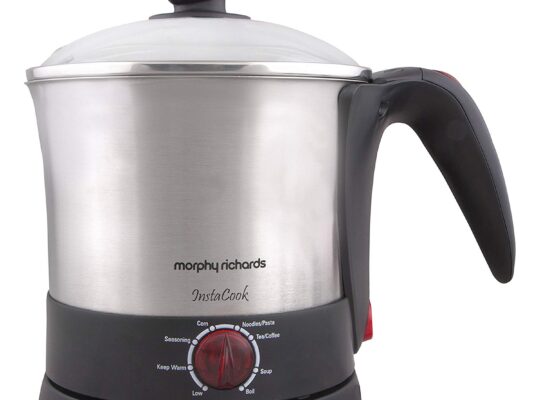
Standards and certifications tell you about materials and safety testing, but they don’t fully predict how a kettle will affect flavor or odor. You may notice new-plastic smells from some polymer-lined kettles, especially on first use or when they heat repeatedly; these typically reduce after several boil-and-discard cycles, but persistent odors can indicate low-quality additives or inadequate curing. Stainless steel kettles are less likely to impart taste, though metallic notes can arise if water sits in contact with an unlined alloy or if corrosion begins. Mineral content in your water (hardness) interacts with both materials: scale buildup traps organics and can carry tastes, while aggressive water chemistry can leach trace metals from poor-quality metals. To minimize impact, rinse and boil fresh water several times initially, descale according to manufacturer guidance, and choose kettles with certified food-grade linings or high-grade stainless (e.g., 304). If you detect consistent off-flavors after proper cleaning, stop using the kettle and investigate material quality or water source. Boiling water in an electric kettle is also a convenient way to prepare foods like instant noodles, but take care to follow safety tips to avoid steam burns and spills.
Durability, Wear, and Long-Term Performance
You’ll want to compare how plastic and steel housings resist scratches, dents, and long-term surface wear, because visible damage can signal deeper material fatigue. Check for heat-related deformation in plastic models—warping or softening near the heating element can affect seals and safety over time. Finally, consider expected lifespan and maintenance needs (descaling, component replacement), since routine care and build quality largely determine long-term performance. Regular descaling at least once a month helps prevent limescale from degrading performance and contaminating beverages, so factor in ease of cleaning and recommended maintenance procedures when choosing between materials descaling frequency.
Scratch and Dent Resistance
How likely is your kettle to keep looking and functioning well after months or years of use? You’ll find stainless steel resists scratches and dents better than most plastics: its harder surface tolerates impacts, utensils, and stacking without compromising shape or integrity. With plastic kettles, surface scratches are more common and can deepen over time, potentially trapping grime or weakening thin areas. Repeated knocks can cause visible dents in softer plastics, though high-grade engineering polymers and reinforced designs improve performance. Scratches in both materials can expose underlying layers or coatings; with plastic, that may alter aesthetics and cleaning. Inspect seams, handles, and bases for stress points. For safety, choose products with documented material grades and warranty coverage indicating resistance to everyday wear.
What happens to a kettle when it’s repeatedly exposed to boiling temperatures and thermal cycling? You should expect gradual material changes: polymers can soften, warp, or creep under repeated heat, while metals undergo microstructural relaxation and oxidative scaling. With plastic kettles, repeated thermal stress may cause visible warping, seal deformation, or tiny cracks that compromise fit and promote leak paths. Polymer additives (stabilizers, glass fibers) reduce deformation but don’t eliminate long-term creep. Stainless steel resists dimensional change better, though repeated cycles can produce surface oxidation or minor scale that affects appearance and heat transfer. In both cases, junctions—handles, lids, spouts—are most vulnerable because dissimilar materials expand differently. Assess deformation visually and stop using any kettle that shows cracking, persistent leaks, or loose fittings.
Lifespan and Maintenance
Lifespan of a kettle depends on materials, design, and maintenance, so you should judge durability by expected wear points rather than an arbitrary years-in-service estimate. You’ll find plastic models resist denting but can degrade: discoloration, microcracks, and seal failure are common failure modes; stainless steel resists those but can corrode at welds or if finish is poor. Regular maintenance extends safe life—descale frequently, inspect seals, and replace lids or filters when worn. Watch for odor or persistent staining; they signal material breakdown.
- Handle stress (loosened rivets, cracked plastic)
- Heating element scaling and loss of efficiency
- Seal and lid wear causing leaks
- Internal surface pitting or microcracks
Replace any kettle showing these signs.
Cleaning, Descaling, and Maintenance Differences
When you compare cleaning, descaling, and routine maintenance of plastic versus steel electric kettles, the processes look similar but the risks and recommended frequency differ. You’ll still rinse, wipe, and descale both types, but hard-water scale adheres differently: limescale builds on heating elements and inner surfaces of both, yet stainless steel tolerates more aggressive cleaners and higher scrubbing pressure. For plastic interiors you should use mild acid solutions (vinegar or citric acid at recommended dilutions), avoid abrasive pads and strong solvents that can abrade or leach additives, and inspect for scratches or clouding that trap residue. With stainless steel you can use same mild acids plus non-abrasive scrubbing and occasional commercial descaler per instructions; it resists staining and microbial harboring better. In both cases flush thoroughly after descaling, dry between uses, regularly check seals and lids, and follow manufacturer guidance to minimize contamination and extend safe service life. Regular descaling and inspection also prevent efficiency loss and extend kettle lifespan, especially when kettles are used frequently and in hard-water areas like those where limescale buildup is common.
Environmental and Recycling Considerations
When you consider end-of-life impacts, plastic kettles pose recycling challenges because mixed polymers, food residue, and embedded electronics often limit curbside processing. Steel kettles are easier to recycle and retain high scrap value, so they’re more likely to be recovered and remade into new products. We’ll compare how material composition and disposal pathways affect overall environmental footprints. Philips kettles, for example, are available across a wide price range which can influence replacement and disposal behavior.
Plastic Recycling Challenges
Why is recycling plastic kettles more complicated than it looks? You’re dealing with mixed plastics, electronic components, and potential chemical residues that limit straightforward recycling. Consider these concrete challenges:
- Multiple polymers: inner liners, handles, and seals often use different plastics that aren’t recyclable together.
- Embedded electronics: heating elements and wiring require separation to avoid contamination and safety hazards.
- Thermal degradation: high-heat exposure during use alters polymer structure, reducing recyclate quality.
- Contamination: limescale, oils, and adhesives complicate processing and can introduce toxins.
Given this, you’ll find many facilities reject kettles or downcycle materials into lower-grade products. For safety-minded choices, check local recycling rules and consider manufacturers’ take-back programs to ensure proper handling and traceable end-of-life processing.
Steel Recyclability Benefits
Compared with plastic kettles, steel models offer much clearer end-of-life options that make them easier to manage and more environmentally favorable. You’ll find stainless steel is widely accepted by recycling programs and can be reprocessed repeatedly without significant loss of structural integrity or safety-related properties. Recycling steel consumes far less energy than primary production, reducing greenhouse gas emissions and resource extraction impacts. Because steel components are typically magnetic and homogeneous, automated sorting yields higher recovery rates and lower contamination risks than mixed plastics. When you choose a steel kettle, you’re also reducing the likelihood of hazardous additives entering waste streams. Proper disposal through municipal metal recycling or appliance collection ensures materials are reclaimed and reused, aligning with safer, circular-product practices.
Cost, Energy Efficiency, and Practical Tradeoffs
How much you pay upfront and over time can change which kettle makes the most sense for you: plastic models are usually cheaper to buy, while stainless-steel kettles often cost more initially but tend to last longer and resist staining or discoloration. You’ll weigh purchase price, operating cost, and replacement risk when prioritizing safety and value.
- Initial cost: plastic often costs less, so your short-term outlay is lower.
- Durability: steel resists cracks and discoloration, reducing replacement frequency.
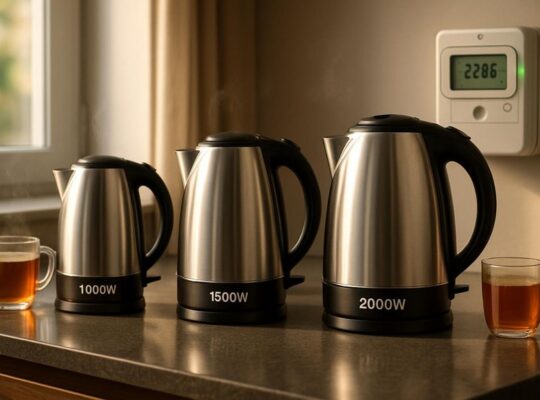
- Energy use: kettles—plastic or steel—use similar electricity to boil the same water; insulation and capacity matter more than material.
- Maintenance and safety: plastic can show wear or odor over time; steel tolerates descaling and high-heat cleaning better.
- Electric kettles rely on a heating element to convert electrical energy into heat, which is why design and components affect both performance and longevity (heating element).
Choosing the Right Kettle for Your Household
Who in your household will use the kettle most, and what do they need it to do? Identify primary users (children, elderly, heavy tea drinkers) and match features to their needs: simple controls and automatic shutoff for seniors, fast boil and temperature presets for tea enthusiasts, lightweight design if mobility is limited. Prioritize safety: choose stainless steel or BPA-free plastic certified by recognized testing bodies, ensure cool-touch exteriors, stable bases, and clear water-level markings to reduce scald risk. Consider capacity relative to typical servings to avoid repeated boiling. Evaluate maintenance: scale-prone water demands easy descaling and accessible heating elements; concealed elements reduce burns but can trap limescale. Factor energy and cost: larger kettles use more energy per boil but may be more efficient per liter if you regularly fill them. Finally, read independent reviews and check warranty terms—reliable safety features and documented testing give you the best protection for everyday use. Also consider whether you’ll need hot water while traveling and portable alternatives like a travel kettle for on-the-go use.
Frequently Asked Questions
Do Plastic Kettles Leach Chemicals Into Hot Coffee or Tea?
Yes — plastic kettles can leach small amounts of chemicals into hot coffee or tea, especially if lower‑grade plastic or damaged. Choose BPA‑free, food‑grade plastics, avoid overheating, and replace worn kettles to reduce risk.
Are Plastic Kettles Microwave-Safe or Usable on Stovetops?
No, plastic electric kettles aren’t microwave-safe and aren’t meant for stovetops; they’re designed for electric bases only. Using them in microwaves or on burners risks melting, warping, and releasing chemicals, so don’t do it.
Can Children Safely Handle Plastic Electric Kettles?
Yes — but only with supervision and safety checks. You shouldn’t let young children handle plastic electric kettles alone; ensure cool-touch exteriors, secure lids, cord management, automatic shutoff, and teach safe pouring to prevent burns and scalds.
Do Plastic Kettles Affect Water Mineral Content or Scaling Rates?
No, plastic kettles don’t change water’s mineral content, but they can influence scaling rates slightly; you’ll mainly get scale from dissolved minerals (hardness), and plastic surfaces may allow similar or marginally less visible buildup than steel.
Are Replacement Parts for Plastic Kettles Readily Available?
Yes — replacement parts for plastic kettles are generally available, but availability varies by brand and model; you’ll often find lids, filters, and heating elements from manufacturers or third-party suppliers, so check compatibility and safety certifications.