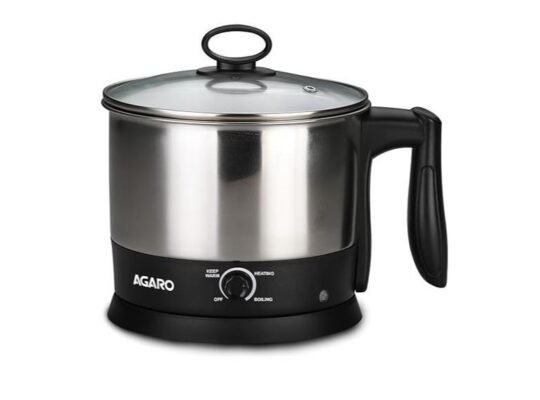
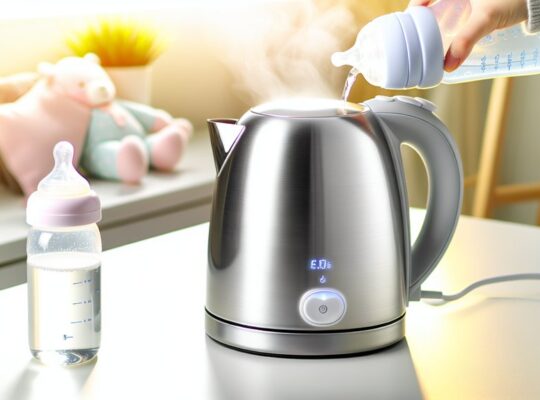
If you travel often in India, you’ll want a kettle that’s compact, quick and safe without weighing down your bag. Consider 0.5–0.8L capacity, 700–1500W power, stainless or BPA-free interiors, and features like auto shut-off and boil-dry protection. I’ll compare top lightweight picks, their pros and cons, and what really matters for hotel circuits and packing—so you can pick the right model for your trips.
Key Takeaways
- Choose 0.5–0.8L capacity for balance between portability and useful boiling volume.
- Prefer 600–1000W models for safer use on varied hotel circuits without long boil times.
- Look for dual-voltage or clear voltage specs for international travel compatibility.
- Prioritize stainless-steel or BPA-free interiors, auto shut-off, and boil-dry protection for safety and hygiene.
- Pack in a padded pouch, detach cords, and descale regularly; check 1–2 year warranty and local service centers.
Why Choose a Travel Electric Kettle: Key Benefits and Use Cases
Why pick a travel electric kettle over a hotel kettle or stove-top pot? You’ll get faster, controlled boiling with less guesswork and lower risk. A dedicated travel kettle heats precisely to boiling, so you won’t be left with unevenly warmed water from an old hotel appliance or exposed flame risks from a stove-top pot.
You’ll also appreciate portability: travel kettles are compact and lightweight, designed to fit luggage and single outlets. Compared to hotel kettles that may be bulky or poorly maintained, travel models give you predictable performance and cleanliness. For safety-conscious travellers, many travel kettles include automatic shut-off, boil-dry protection, and cool-touch exteriors—features you won’t reliably find in makeshift alternatives.
Use cases include making tea or instant coffee in hostels, prepping baby formula on the go, or sterilising small items. Overall, a travel electric kettle offers consistent results, improved hygiene, and reduced fire and burn hazards versus hotel or stove-top options. Some popular portable models even offer foldable silicone designs for extra compactness and easy packing.
What to Look for When Buying: Size, Power, and Safety Features
Wondering which specs matter most when shopping for a travel electric kettle? Focus on capacity first: 0.5–1.0 litre models balance portability and usefulness—smaller for solo trips, larger if you’ll share. Check folded or compact designs if you pack light.
Power matters next. Look for 700–1500W options: lower wattage heats slower but works on lower-current hotel circuits; higher wattage boils faster but may trip weak sockets. Prefer kettles with voltage compatibility or dual-voltage for international travel.
Prioritize safety features. Auto shut-off and boil-dry protection are essential to prevent overheating. A locking lid and heat-resistant handle reduce spill and burn risk. Seek models with safety certifications (BIS, CE) and stable base/anti-slip feet to avoid tipping.
Materials and maintenance count: stainless steel or food-grade BPA-free plastics resist residue and are easier to clean than cheap coatings. Compare features against your travel profile to pick the safest, most practical option. Also consider how the kettle will perform with different tasks, for example boiling eggs in an electric kettle can take about 10–12 minutes for hard-boiled large eggs hard-boiled timing.
Top 5 Lightweight Travel Kettles Available in India
Now that you know which specs matter, here’s a compact shortlist of five lightweight travel kettles available in India that balance capacity, power and safety. 1) Xiaomi Mi Travel Kettle (0.6L): compact, 600W rapid boil, stainless interior, auto shut-off and dry-boil protection — great if you want minimal weight and reliable safety cutoffs. 2) Havells Insta 0.7L: slightly larger, 800W for quicker boils, concealed heating element and boil-dry protection; good balance of speed and safe construction. 3) Prestige Electric Kettle 0.5L: ultra-light, low wattage for dorms and hostels, cool-touch handle and indicator light; best when power outlets vary. 4) Pigeon by Stovekraft Compact Kettle 0.8L: higher capacity still portable, auto shut-off, detachable base for ease of use. 5) Kent Compact Kettle 0.6L: durable build, triple safety features and secure lid; ideal if safety certifications matter most. Choosing the right material and knowing about automatic shut-off can help you get better performance and safety while travelling.
Packing and Care Tips for Travel Kettles
How you pack and care for a travel kettle will affect its longevity and performance on the road, so prioritize compact protection and simple maintenance. When packing, use a padded pouch or wrap the kettle in a soft cloth to prevent dents; choose models with detachable cords or foldable handles for tighter packing. For insulation and spill prevention, place lids downward and secure any spouts with tape or a small bag.
For care, rinse and dry the interior after each use to avoid mineral buildup; compare stainless steel vs. plastic interiors—steel tolerates descaling better, plastic needs gentler cleaning. Descale regularly with vinegar or citric acid per the manufacturer’s guidance. Inspect seals, switches, and the cord for wear before every trip; a worn seal increases leak risk, while frayed cords are a safety hazard.
Store kettles empty and fully dry in a ventilated space. Following these product-focused, comparative steps reduces damage, keeps performance consistent, and maintains safe operation while you travel. Regular descaling helps prevent mineral buildup that can lengthen boiling times and affect taste.
Comparing Prices and Warranties Across Brands
After you’ve handled packing and basic upkeep, it pays to compare prices and warranties before buying a travel kettle—cost and after-sales support often matter as much as features. You’ll want to line up models by capacity, material, and safety certifications, then map those to price points. Low-cost units can be tempting, but check warranty length and what’s covered: heating element, auto-shutoff, and electrical faults are key. Mid-range brands often offer 1–2 year warranties and reliable customer service; premium makers may add extended support or replacement programs that justify higher upfront cost.
Compare service centers in your city — a long warranty is useless if repairs take months. Also confirm whether warranty voids for travel-related damage; some only cover domestic use. Balance price against proven safety features and clear warranty terms. That way you won’t sacrifice protection for a bargain, and you’ll have recourse if a kettle fails while you’re on the road. Consider the typical price ranges for popular brands like Prestige and Philips when setting your budget price range.
Frequently Asked Questions
Can I Use a Travel Kettle on Flights or in Airplane Lavatories?
No — you generally can’t use a travel kettle on flights or in airplane lavatories; airlines prohibit passenger-operated heating appliances for safety. Compare portable kettles for hotel or hostel use instead, prioritizing auto-shutoff and double-wall insulation.
Do Travel Kettles Work With Hotel Voltage Converters?
Yes — they can work if the converter matches the kettle’s wattage and voltage type; you’ll want a heavy‑duty, continuous‑rated converter, not just a travel adapter. Compare wattage, safety features, and overheating protection.
Are There Kettles Made From Bpa-Free Plastic Only?
Yes — you can buy kettles made entirely from BPA-free plastic; they’re lighter and cheaper than stainless steel, but check heat resistance, warranty, and certifications (LFGB/ETL). For safety, prefer double-walled designs and clear material specs.
How Long Do Travel Kettle Heating Elements Typically Last?
They usually last 2–7 years depending on build, water hardness, and use; stainless-steel or concealed elements outlast exposed or thin-plated ones, so you’ll want a model with quality materials and easy descaling for safer longevity.
Can I Boil Milk or Only Water in Travel Kettles?
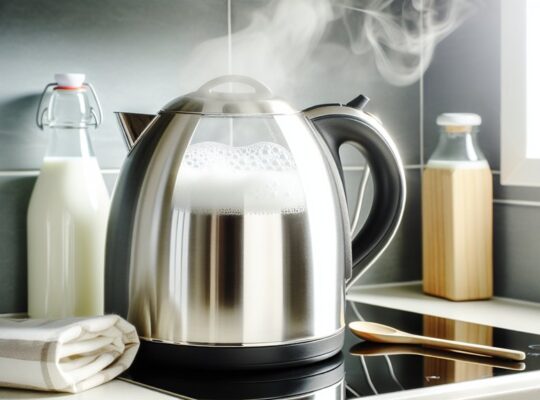
You can boil milk in some travel kettles, but many are designed for water only; choose stainless models with thicker bases and anti-boil-over features, avoid scorching, and follow manufacturer guidance to ensure safety and longevity.