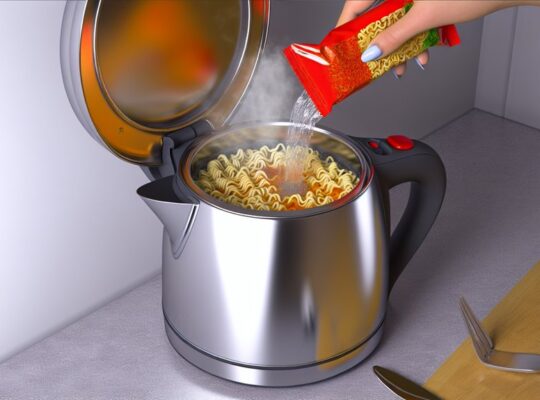
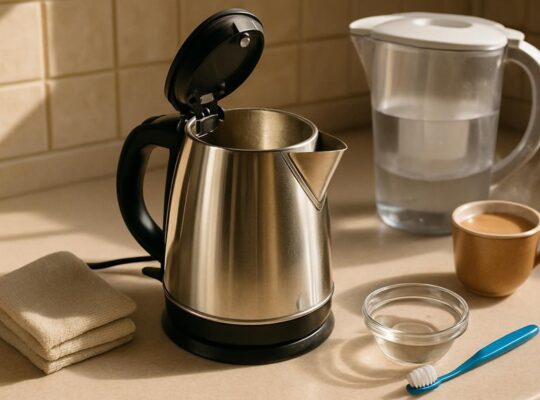
If you run a kettle without water, you’ll quickly overheat the heating element and risk warping, burned insulation, or melted plastic seals. That can trigger odd smells, tripped safeties, or a permanent loss of boil-dry protection. Stop use and inspect it—some damage is hidden but still dangerous—because deciding whether it’s safe to keep or replace requires a careful check.
Key Takeaways
- The heating element overheats because electrical energy has nowhere to transfer, causing rapid temperature rise.
- Dry boiling can warp or melt the element, seals, or plastic parts, compromising kettle integrity.
- Insulation breakdown may cause short circuits, persistent burning smells, or electrical failure.
- Built-in boil-dry or automatic shutoff may prevent damage, but sensor failure can still allow overheating.
- If dry-boiled, unplug, let cool fully, inspect for warping, smells, or scorch marks before any further use.
How Kettles Heat Water: Basic Principles
How does a kettle actually heat water? You place water inside a sealed or open chamber where a heating element — either exposed metal or concealed plate — converts electrical energy into heat via resistance. Heat transfers directly to the water by conduction; water molecules adjacent to the element gain kinetic energy, rise, and are replaced by cooler molecules, producing convection that distributes temperature uniformly. A thermostat or temperature sensor monitors temperature and signals the switch or relay to cut power at boiling or a set point. Safety mechanisms like automatic shutoff, boil-dry protection, and thermal fuses prevent sustained overheating when normal conditions change. You should ensure the element and sensors are clean and unobstructed, the kettle is filled to the minimum and maximum marks, and electrical connections are intact. Understanding these mechanisms lets you operate the kettle safely and reduces the chance of malfunction or accident. Multipurpose kettles also offer features for steaming vegetables and cooking beyond just boiling water.
What “Dry Boil” Means and How It Happens
A “dry boil” happens when a kettle’s heating element runs hot without enough liquid to absorb the heat, so the metal or base reaches boiling temperatures with no water to vaporize. It typically occurs because you forgot to add water, the water level was too low, or an automatic shutoff or sensor failed. You’ll see it in scenarios like an empty switch-on, severe evaporation during prolonged heating, or a malfunctioning thermostat. Always place the kettle on a stable, heat-resistant surface and follow safe filling and operating practices to prevent damage and hazards.
Meaning of Dry Boil
Ever wondered what “dry boil” actually means? It’s the condition where a heating element or vessel reaches boiling temperatures without sufficient liquid to absorb and carry away heat. You’ll encounter rapid temperature rise at the metal surface, localized overheating, and steam absence where evaporation would normally occur. In practical terms, the liquid that should be transferring energy is missing or too low, so heat concentrates in the kettle’s base and element. That concentrated heat can warp components, degrade insulation, and trigger thermal cutoffs. You won’t see normal rolling boil behavior; instead you may notice unusual noises, scorching smells, or an overheating indicator. Understanding this term helps you recognize risk and prioritize preventing operation of an appliance without adequate water.
Causes and Scenarios
Having explained what a dry boil is and its telltale signs, let’s look at the common causes and situations where it happens. You’ll most often encounter dry boiling when you misjudge water volume, switch the kettle on before filling, or assume residual moisture is sufficient. Mechanical faults—failed water-level sensors, broken thermostats, or damaged heating elements—can let the element heat without cutoff. Manual errors include forgetting to replace a removed lid or using the wrong appliance for low-volume tasks. Environmental factors like hard water buildup or scale can hide true water depth and impair sensors. Portable or travel kettles, battered units, and unattended rapid-boil models increase risk. Understanding these causes helps you prevent incidents and maintain a safer kettle routine.
Damage to Electric Kettles From Dry Boiling
If you run an electric kettle dry, you risk immediate and long-term damage. You’ll likely hear loud clicking, smell burning, and see discolored metal — signs the heating element’s overheating. If the kettle lacks a reliable auto-shutoff, internal components can deform or fail.
- Element warping: the heating coil or plate can blister or crack, reducing heat transfer and causing hot spots.
- Insulation breakdown: thermal insulation around wiring can char, creating short-circuit risk and failure of safety features.
- Seal and base damage: plastic seals, gaskets, and the kettle base can melt or warp, leading to leaks and loss of structural integrity.
Stop using the kettle immediately if you suspect dry boiling. Don’t attempt repairs unless you’re qualified; replacement is often safer and cheaper than risking electrical faults. Inspect for visible damage and consult the manufacturer or a licensed electrician before reuse. Regular descaling with white vinegar can help prevent issues related to mineral buildup.
Risks for Stovetop and Whistling Kettles
How can dry boiling affect stovetop and whistling kettles differently than electric models? You’ll face direct heat on metal, so base warping, enamel cracking, and handle weakening are immediate risks. A whistling mechanism can seize from heat distortion, preventing proper venting and raising scald risk. You’ll also increase chance of scorching deposits that are hard to remove, reducing lifespan and creating hot spots that crack finishes.
| Risk | Cause | Safety consequence |
|---|---|---|
| Base warping | Prolonged dry heat | Uneven contact, instability |
| Enamel/chrome damage | Overheating metal | Cracks, contamination |
| Whistle failure | Deformed spout or cap | No alerting steam, scald hazard |
| Handle/fastener failure | Heat weakens joins | Sudden dropping of kettle |
If you notice discoloration, warped base, or a stuck whistle, stop using the kettle. Let it cool, inspect for damage, and replace if structural integrity is compromised. Regular descaling with vinegar solution can help prevent limescale that worsens damage from dry boiling.
How Automatic Shutoff and Boil-Dry Protection Work
Those mechanical risks help explain why many modern kettles include automatic shutoff and boil-dry protection: these systems detect when there’s no water or when boiling has finished and cut power or remove heat to prevent damage and hazards. You’ll find two common detection methods: temperature sensing and steam-switch activation. Temperature sensors (thermostats or thermistors) monitor base temperature; when it spikes without steam, they kill power. Steam-switch systems route rising steam to a bimetallic strip or microswitch; sustained steam flexes or pushes the switch, opening the circuit when true boil is reached. Some designs combine both for redundancy.
- Picture a thermistor sensing a sudden temperature climb and instantly breaking the circuit.
- Picture steam pressing a tiny switch under the spout until it trips and cuts power.
- Picture a fail-safe timer or cut-out that steps in if sensors disagree.
These mechanisms reduce fire risk, prevent element burnout, and give you reliable, automated protection. A travel context often emphasizes using kettles with automatic shut-off and overheat protections to avoid hazards and comply with safety guidelines.
Signs Your Kettle Has Been Harmed by Running Dry
Because running a kettle dry stresses components quickly, you’ll notice a few clear, measurable signs if damage has occurred. First, check for scorch marks or discoloration on the heating element or base; these indicate overheating. Second, listen for unusual noises—crackling, pinging, or high-pitched whines—that weren’t present before; they point to warped metal or residue burn-off. Third, monitor heating performance: longer boil times or failure to reach temperature suggest reduced element efficiency or partial burnout. Fourth, smell for persistent burnt odors during operation; a lingering char smell can mean insulation or coatings were damaged. Fifth, inspect switches and automatic cut-off behavior; intermittent tripping or failure to engage can signal compromised thermostats or sensors. Sixth, look for bubbling, blistering, or warped plastic on the kettle body or lid that indicates heat damage. If you observe any of these objective signs, treat the appliance as potentially unsafe and refrain from regular use until it’s evaluated or replaced. Also check the kettle’s material—borosilicate glass is more heat-resistant and less likely to crack from thermal stress than ordinary glass.
Immediate Steps to Take if You Run a Kettle Empty
What should you do right after you realize the kettle was run dry? Stop using it immediately and cut power at the switch or unplug it. Don’t touch hot surfaces. Let it cool fully before you inspect or move it.
- Visual check: look for warped metal, melted plastic, scorch marks, or discolored heating element to assess obvious damage.
- Smell test: if you detect burnt plastic or persistent electrical odor, keep it unplugged and ventilate the area; that smell suggests internal damage.
- Minor cleaning: once cool, remove loose debris and wipe interiors with a damp cloth; don’t immerse an electric base or submerge exposed elements.
If you see severe damage, persistent odor, or the kettle fails to function normally when tested with a small water amount, stop using it and have it inspected or replaced. Prioritize safety: avoid jury-rigging or continued use of a compromised appliance. Also consider choosing a kettle with auto shut off as a safety feature to reduce the risk of dry-boil damage.
Preventive Tips to Avoid Dry Boils
Before you switch the kettle on, check the water level visually or by the gauge so you’re sure there’s enough to boil. Use kettles with reliable automatic shut-off or boil-dry protection to stop heating if water runs out. Combining a quick check with safety features minimizes the risk of damage or fire. Also consider kettles made of stainless steel for more even heating and reduced risk of cracking.
Check Water Level Before Heating
How do you prevent a dry boil? Check the water level every time before you heat the kettle. Make this a brief, consistent habit so you don’t rely on memory. Open the lid or glance at the gauge; confirm water reaches the minimum mark or desired volume. If you use a cordless kettle, place it on its base and verify the visible level indicator. Be deliberate and avoid assumptions.
- See: look at the external gauge or through the lid window.
- Measure: add water up to the minimum or required fill line.
- Confirm: ensure the lid is closed properly and the indicator still shows adequate water.
This routine reduces risk, protects the appliance, and keeps you safe.
Use Automatic Shut-Off Mechanisms
Want an easy, reliable safeguard? Use kettles with automatic shut-off mechanisms. These devices detect temperature or steam changes and cut power when water runs out or reaches boiling, preventing dry heating. Choose models with reputable safety certifications and clear specifications about the sensor type and trigger thresholds. Test the function periodically by following the manufacturer’s instructions—do this safely with supervision and minimal water to confirm shut-off responsiveness. Maintain the mechanism by keeping heating elements and vents clean; scale buildup can delay detection. If a kettle’s shut-off feels inconsistent, stop using it and get it inspected or replaced. Relying on an automatic shut-off reduces human error, lowers fire risk, and gives predictable protection when you forget to check water.
When to Repair or Replace a Damaged Kettle
When should you repair a kettle and when is replacement the smarter choice? You’ll weigh safety, cost, and the extent of damage. If the fault is simple, repair can be safe and economical; if structural or electrical integrity is compromised, replacement is usually necessary.
- Visible damage: warped base, cracked housing, exposed wiring — imagine sparks, steam escaping, sudden failure.
- Functional faults: intermittent heating, thermostat failure, persistent tripping — picture unreliable operation and hidden electrical hazard.
- Age and cost: frequent repairs on an older unit, non-standard parts, or high repair cost — envision repeated downtime and escalating risk.
Inspect carefully: unplug before checking, look for corrosion, burnt smells, and loose components. If you’re unsure, consult a qualified technician or replace the kettle. Prioritize devices that guarantee intact insulation and reliable automatic shut-off; don’t gamble with appliances that can cause burns or electrical fires. Also consider the kettle’s material and energy-efficiency features when deciding, since choosing a durable stainless steel model can reduce future risks and energy waste.
Safe Alternatives and Best Practices for Rapid Boiling
If replacing a damaged kettle is the safer choice, you’ll also want reliable methods for rapid boiling that don’t sacrifice safety. You can use an electric kettle with automatic shutoff, a stovetop kettle on a stable burner, or an immersion heater rated for the task. Always inspect equipment for damage, use on heat-resistant surfaces, and never leave boiling devices unattended. Many modern electric kettles include precise temperature controls and thermal cutouts that improve safety and efficiency.
| Method | Safety note |
|---|---|
| Electric kettle | Auto shutoff; don’t operate if cracked |
| Stovetop kettle | Use correct burner size; handle with care |
| Microwave (water only) | Avoid superheating; use a non-sealed container |
| Immersion heater | Fully submerge before switching on |
| Hot plate + pot | Stable setup; monitor continuously |
For fastest safe results: prefill with measured water, use lids to reduce time, and rely on devices with thermal cutouts. If you detect odd noises, smells, or discoloration, stop immediately and replace the appliance.
Frequently Asked Questions
Can Running a Kettle Dry Void the Warranty?
Yes — running a kettle dry can void the warranty if it causes damage, since manufacturers usually exclude misuse. Check your warranty terms; document proper use and contact the manufacturer promptly to discuss repairs or exceptions.
Can Mineral Buildup Increase Dry-Boil Risk?
Yes — mineral buildup raises dry-boil risk by insulating the heating element, making temperature sensors misread and allowing overheating. You should descale regularly, monitor performance, and stop use if you notice slow heating or unusual noises.
Is It Safe to Pour Water Into a Hot Empty Kettle Immediately?
No — you shouldn’t pour water into a hot empty kettle immediately, it can warp or crack the metal or damage heating elements. Let the kettle cool, then add water and inspect for damage before using again.
Can Running a Kettle Dry Cause Loud Noises Later?
Yes — running a kettle dry can cause loud noises later. You’ll likely damage the element and casing, creating popping, pinging or rattling as metal warps or scale fractures; get it inspected or replace the kettle promptly.
Do Cordless Kettles Handle Dry Boiling Differently?
Yes — cordless kettles often have automatic shut-off or boil-dry protection, so they’ll usually cut power if water’s absent. Still, don’t rely solely on it; inspect regularly and avoid intentional dry-boiling for safety and longevity.