If you make hot drinks or need boiling water often, an electric kettle will save you time and energy compared with the stove or microwave. It’s faster, usually more efficient, and often safer with auto shutoff and boil‑dry protection. The right model can improve tea and coffee extraction, but whether it’s worth the counter space depends on how you use hot water—consider a few practical points before you decide.
Key Takeaways
- An electric kettle boils small volumes faster and more efficiently than stovetops, saving time and energy for frequent hot-water use.
- Built-in auto-shutoff and boil-dry protection make kettles safer and less wasteful than unattended stovetop boiling.
- Variable-temperature kettles improve beverage quality for tea and coffee by delivering precise brewing temperatures.
- For infrequent users or limited counter space, a stovetop, microwave, or immersion heater can suffice without buying a kettle.
- Choose size, material, and safety features (water indicator, secure lid, certifications) to match household needs and longevity.
How an Electric Kettle Saves Time and Energy
Wonder how much time you’re actually wasting boiling water on the stove? You’ll cut minutes per boil with an electric kettle that brings water to a rolling boil faster than most stovetops. Because kettles concentrate energy directly into a smaller volume, they reach target temperatures quickly, reducing both time and standing energy use. You’ll also save energy by boiling only what you need; many models have clear volume markings and rapid heat-up, so you won’t overfill “just in case.” For safety-conscious users, modern kettles include automatic shutoff and boil-dry protection that prevent overheating and reduce fire risk you might face when leaving a pot unattended. Some kettles offer precise temperature settings for different drinks, avoiding repeated reheats. In short, an electric kettle gives you faster, more efficient heating with built-in safety features that lower waste and hazards — a practical upgrade if you value time, energy savings, and predictable safe operation. Place the kettle on a stable, heat-resistant surface away from edges and heat sources to ensure safe daily use and prevent accidents involving the cord or spills stable, heat-resistant surface.
Comparing Kettles to Stovetop and Microwave Methods
How do electric kettles stack up against boiling water on the stove or in the microwave? You’ll find kettles are faster, often more energy-efficient for small volumes, and reduce scalding risk with automatic shutoff. Stovetop boiling gives you visible control but can waste energy heating a full pot and risks unattended fires. Microwaves work for small amounts but heat unevenly and lack boil-dry protection; superheated water is a real safety hazard. Choose based on speed, control, and safety needs.
A well-chosen kettle material and built‑in features like rapid‑heating and automatic shutoff can improve efficiency and safety for daily use, especially when you select the right kettle material for your needs.
| Method | Key safety and performance notes |
|---|---|
| Electric kettle | Fast, auto-shutoff, consistent boil, less spillage risk |
| Stovetop | Visible boil, good for large volumes, higher burn/fire risk |
| Microwave | Uneven heating, potential superheating, no boil-dry safety |
| Pouring/control | Kettle spouts give precise pour; pots can be heavy and awkward |
| Energy/usability | Kettles often win for small daily use; stove better for batch tasks |
Who Benefits Most From Owning a Kettle
Who benefits most from owning a kettle? You do if safety, speed, and consistency matter. An electric kettle reduces risks from unattended stovetop boiling and limits spills with auto-shutoff and boil-dry protection. You’ll find it especially useful if you fit any of these profiles:
- Busy professionals who need hot water quickly and reliably.
- Parents or caregivers who value hands-off safety features around kids.
- Tea and coffee enthusiasts who want precise, repeatable boils.
- Small-space dwellers who need a dedicated, safer boiling option.
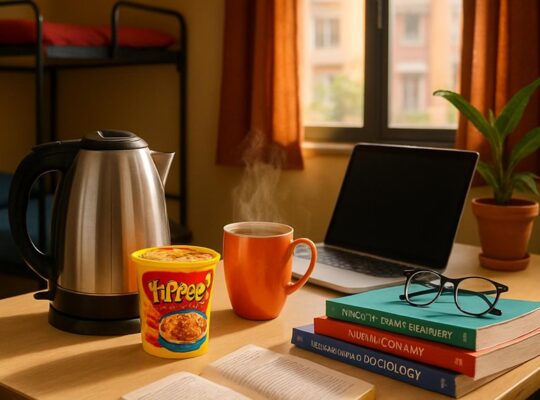
You’ll appreciate the reduced waiting time, clear safety mechanisms, and predictable results. If you often make hot drinks, instant meals, or sterilize baby items, a kettle streamlines the task while minimizing hazards. It’s not about gadgetry; it’s about practical safety and efficiency. If those priorities match yours, an electric kettle is a sensible, low-risk addition to your kitchen. Many multipurpose kettles also include features like temperature control that expand what you can cook and how precisely you can heat liquids.
Size, Capacity, and Counter Space Considerations
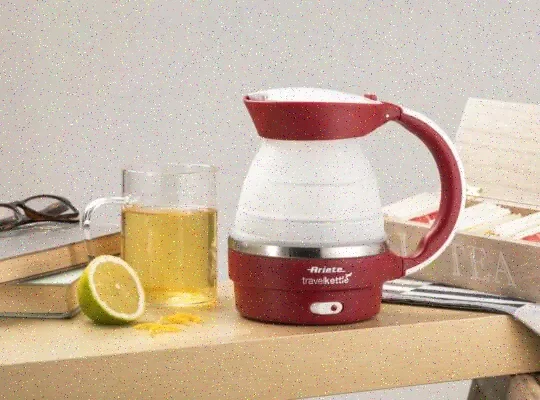
Think about how much counter space you can spare and where the kettle will sit so it won’t crowd your work area. Match the kettle’s capacity to how many cups you typically boil—small models suit solo use, larger ones work for families. Also consider whether you need a compact, foldable, or cordless model for easy storage and portability. Regular maintenance, like descaling to remove limescale buildup, will keep the kettle efficient and tasting fresh.
Counter Footprint and Layout
Where will it sit on your counter, and will it fit comfortably next to your usual prep zone? You’ll want a plan before you buy: measure the kettle’s base, allow clearance for the cord, and keep it away from edges and wet areas. Consider workflow, reachability, and safe distance from heat sources. Think about stability on uneven surfaces and ease of unplugging.
- Measure width and depth of available counter space.
- Reserve 2–3 inches around the base for airflow and safe handling.
- Route the cord to avoid crossing walkways or sinks.
- Ensure the placement doesn’t block outlets or prep tasks.
A compact, low-center-of-gravity model often minimizes risk and integrates best with tight kitchen layouts.
Capacity Versus Household Needs
How much water do you actually boil each day? Think about morning tea, baby bottles, cooking and occasional guests. Choose a capacity that matches typical use: a 0.8–1.0 L kettle suits solo users or light daily use; 1.5–1.7 L models work for couples and small families. Bigger isn’t always better — overfilling wastes energy and increases boil time. Consider how much counter space you can dedicate: a larger base needs clearance and raises tipping risk if crowded. Prioritize models with clear minimum and maximum indicators, cool-touch handles, and automatic shutoff to reduce scald hazards. If you boil small amounts frequently, a compact kettle with rapid boil and reliable safety features is safer and more efficient than an oversized unit.
Storage and Portability Options
Once you’ve matched capacity to daily use, you’ll want to contemplate how the kettle fits into your space and routines. Think about footprint, weight, and where you’ll store it when not in use. A compact model helps small counters; a swivel base or cord storage reduces clutter and trip risks. If you move the kettle between kitchen and table, choose a lightweight, well-balanced design with a secure lid to avoid spills. For occasional use, a collapsible or slim-profile kettle tucks into cabinets safely. Consider ventilation and heat clearance when storing near other items to prevent damage or fire hazards.
- Measure counter and cabinet depth.
- Check cord length and storage.
- Prefer insulated, lightweight bodies.
- Ensure stable base and locked lid.
Features to Look for When Buying a Kettle
Which features matter most will depend on how you use a kettle, so prioritize practicality and safety first. Look for a sturdy, food-grade material—stainless steel or glass are best—so you won’t get unwanted flavors or contaminants. Choose a model with a clear water-level indicator and easy-to-read markings; that prevents overfilling and wasted energy. A secure, well-fitting lid and a comfortable, heat-resistant handle reduce spill risk when you pour.
Consider boil-dry and automatic shutoff functions; they protect the kettle and give you peace of mind. If you brew speciality teas, a variable temperature control is useful—otherwise a simple rapid-boil setting is fine. Check the wattage: higher wattage boils faster but draws more power. Removable limescale filters extend lifespan and keep water cleaner. Cordless bases with 360-degree docking add convenience. Finally, inspect build quality and warranty—reliable construction and a clear warranty signal a safer, longer-lasting appliance you can trust. The iBell SEK150L offers fast boiling with a 1500-watt element and a 2-year warranty.
Safety and Maintenance Tips for Electric Kettles
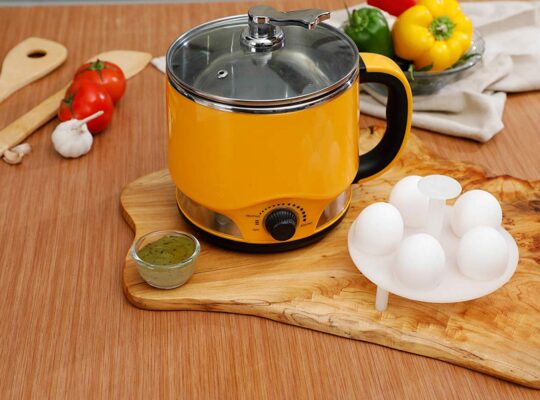
Always check that your kettle has boil-dry protection so it shuts off if the water runs out, preventing damage and fire risk. You’ll also need a regular descaling and cleaning routine — mineral buildup reduces efficiency and can affect taste. Follow the manufacturer’s cleaning instructions and use appropriate descalers to keep the kettle safe and long-lasting. Frying in a kettle is unsafe and can cause fire hazards, so use appliances designed for frying instead.
Boil-Dry Protection
One simple safety feature that can save your kettle — and your kitchen — is boil-dry protection, which shuts the unit off if there’s no water inside to heat. You’ll avoid warped heating elements, melted plastic, and fire risk. When shopping or using a kettle, check that the sensor and automatic cutoff are tested and responsive.
- Verify operation: run with low water to confirm cutoff engages.
- Look for indicator lights or clicks that signal shutdown.
- Don’t override safety interlocks; warranties may be voided.
- Replace kettles showing repeated false trips or overheating smells.
Treat boil-dry protection as essential, not optional. It’s a straightforward control that prevents costly damage and keeps your kitchen safe.
Descaling and Cleaning
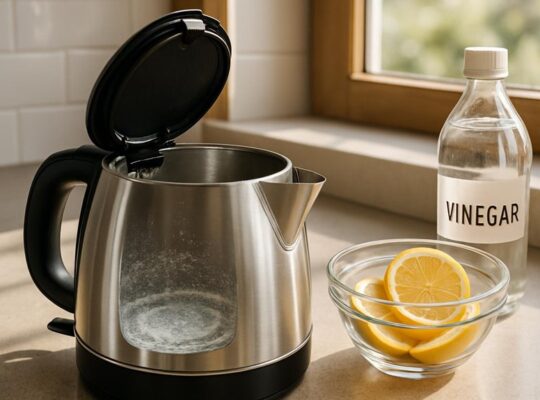
Because mineral buildup reduces efficiency and can damage the heating element, you should descale and clean your electric kettle on a regular schedule. Aim for monthly descaling if you have hard water, more often if you see white crust or slower boiling. Use a citric-acid or vinegar solution (one part vinegar to three parts water) — boil, let sit 15–30 minutes, rinse thoroughly, then boil plain water once to remove residue. Wipe the exterior and spout with a damp cloth and mild detergent; never immerse a cordless base in water. Remove and clean any removable filters. Inspect seals and cords for wear and replace parts per the manufacturer’s guidance. Proper cleaning preserves performance and reduces safety risks like overheating or element failure.
Common Myths About Electric Kettles Debunked
If you’ve been on the fence about electric kettles, it helps to separate marketing claims from practical facts: they’re not magically faster than every stove-top method, they don’t always use more electricity, and they’re not a luxury only for tea snobs. You should know the real safety- and performance-related truths so you can decide calmly.
- Electric kettles are unsafe if you ignore care: follow manufacturer guidance, keep water levels within marks, and unplug before cleaning.
- They’re not inherently wasteful: boiling only what you need and using an automatic shutoff reduces energy compared with large stovetop pots.
- Rapid boil isn’t always better: for safety, avoid repeated dry-boil cycles and descale regularly to maintain thermal sensors and prevent overheating.
- All kettles aren’t equal: pick models with secure lids, cool-touch handles, and certified electrical safety marks.
These points clear common misconceptions and put safety and efficiency first when you choose a kettle. A practical extra step is to inspect the kettle’s base and cord regularly for damage to ensure electrical safety.
How Kettles Affect Your Beverage Quality
Your kettle’s temperature control determines extraction and flavor — too hot or too cool and your tea or coffee won’t taste right. You should also watch mineral buildup, which can change taste and reduce efficiency over time. Choosing a kettle with precise settings and easy descaling keeps your drinks consistent and clean. Stainless steel models can offer double-walled construction for better insulation and cooler exteriors.
Water Temperature Control
Wondering why temperature control matters? You’ll get consistent extraction, safer handling, and better flavor when water’s at the right heat. Electric kettles with precise settings let you dial in temperatures for coffee, tea, and baby formula so you’re not guessing or overheating.
- 70–80°C for delicate green teas — protects aroma and prevents bitterness.
- 85–90°C for oolong and most white teas — balances body and sweetness.
- 92–96°C for coffee and robust black teas — ensures full extraction without scorching.
- 37–45°C for baby formula or quick-safe warm water — avoids burns and nutrient damage.
Choose a kettle with reliable display and auto-shutoff. You’ll save time, reduce risk, and improve beverage quality every time.
Mineral Buildup Impact
How quickly does mineral buildup change what you brew? It can start altering taste and safety within weeks if you live in hard-water areas. Limescale collects on heating elements and inner walls, raising extraction variability and leaving chalky or metallic notes in coffee and tea. You’ll also see slower boil times and increased energy use as scale insulates the element. Regular descaling prevents flavor shifts and reduces bacterial niches where residue traps contaminants. Use food-safe descalers—white vinegar or citric acid diluted per instructions—and rinse thoroughly. For safety, unplug before cleaning and avoid abrasive tools that damage surfaces. If buildup returns fast, install a water softener or use filtered water to protect beverage quality and extend kettle life.
Want something that boils quickly without breaking the bank, or do you prefer features and finish worth paying extra for? You’ll find clear trade-offs between budget options and premium models. Budget kettles deliver reliable boiling, basic auto-shutoff and easy-to-clean interiors; they’re safe and practical if you stick to reputable brands. Premium models add precise temperature control, faster heating elements, better insulation, durable finishes and advanced safety features like boil-dry protection and cool-touch exteriors.
- Price: budget = lower upfront cost; premium = higher investment, longer lifespan.
- Performance: budget = adequate for most uses; premium = faster, more consistent temps.
- Safety: both can be safe — verify certifications (UL/CE) and features.
- Maintenance: premium often resists mineral buildup and shows wear less.
Decide based on how often you’ll use it, whether temperature accuracy matters, and your tolerance for replacement. Choose a certified model, follow care instructions, and you’ll keep boiling safe and efficient. Many popular models also advertise rapid boil technology to reduce wait times.
Alternatives If You Decide Not to Buy One
If you decide a dedicated electric kettle isn’t right for your kitchen, you’ve still got several reliable ways to boil water fast and safely. Use your stovetop with a metal pot or stainless-steel saucepan—choose a lid to speed heating and watch it so it doesn’t boil over. If you have a gas range, keep flames below the pot sides to avoid scorching and uneven heating.
An induction cooktop works well with compatible cookware and offers precise temperature control and auto-shutoff features for safety. A microwave can heat small amounts quickly; use microwave-safe containers, vent lids, and short intervals to prevent superheating. For single cups, consider an immersion heater with an automatic cutoff and certified safety marks.
If portability matters, a portable butane burner or camp stove is an option—use outdoors or in ventilated areas only. Whatever method you pick, prioritize stable placement, heat-resistant handles, and never leave boiling water unattended to prevent burns and kitchen fires. Trains and other public transport often prohibit or restrict personal high-wattage appliances due to electrical overload risks, so check rules before bringing devices on board.
Frequently Asked Questions
Can an Electric Kettle Be Used for Sterilizing Baby Bottles?
Yes — you can use an electric kettle to sterilize baby bottles by boiling them, but it’s practical only for small parts. You’ll need to disassemble bottles, fully submerge parts, boil for five minutes, and handle carefully to avoid burns.
Do Electric Kettles Work at High Altitudes?
Yes — electric kettles work at high altitudes, but they boil at lower temperatures so sterilization times may need extending. You’ll want a reliable thermometer, follow manufacturer guidance, and increase boil duration or use pressure methods for safety.
Are There Kettles Designed Specifically for Tea Connoisseurs?
Yes — you can buy kettles made for tea connoisseurs: they offer precise temperature control, gentle boil options, minimal agitation, and quality materials. You’ll want one with clear safety features, durable build, and reliable temperature accuracy.
Can I Leave an Electric Kettle Plugged in Overnight?
You shouldn’t leave an electric kettle plugged in overnight. Unattended appliances risk electrical faults, overheating, or fire. If your kettle has automatic shutoff and boil-dry protection it’s safer, but unplugging when idle is best practice.
How Do Electric Kettles Impact Indoor Humidity or Steam Buildup?
They slightly raise local humidity when boiling, so you’ll notice brief steam but not sustained buildup. Vent or open a window if concerned, avoid boiling near moisture-sensitive items, and wipe spills to prevent mold risk.