You’re unlikely to face a true explosion from a modern electric kettle, but you shouldn’t dismiss the risks either. Designs vent steam and include auto shutoff and safety standards, yet misuse, heavy limescale, sealed modifications, or faults can cause pressure or heating failures that lead to ruptures or scalding steam. Know the real hazards and simple precautions—there’s more nuance than the myths suggest.
Key Takeaways
- Properly functioning, certified electric kettles are extremely unlikely to explode because they vent steam and have automatic shutoff safety features.
- Explosive ruptures are rare and usually require modifications that make the kettle airtight or block its spout.
- More common hazards are scalding from steam or splashing boiling water, often caused by overfilling or mineral buildup.
- Electrical faults, failed thermostats, or dry heating can cause fire or melting, not a true bomb-like explosion.
- Reduce risk by buying certified units, descaling regularly, avoiding modifications, and stopping use if the kettle behaves abnormally.
Can an Electric Kettle Really Explode
Ever wondered whether an electric kettle can actually explode, or if that’s just a scare-story? You’ll want clear, evidence-based answers because safety matters. Short answer: it’s extremely unlikely for a properly functioning, well-maintained electric kettle to explode like a bomb. However, certain failures and misuse can cause dangerous situations — steam bursts, scalding, or pressure-related rupture in poorly designed or modified units. You need to know what the risks are, how they arise, and what practical steps minimize them.
Most modern electric kettles are designed as open systems: they boil water and vent steam freely. That design prevents pressure from building to explosive levels. Materials, seals, and automatic shutoff features are tested to meet safety standards (for example, IEC standards in many regions or equivalent national regulations). Those standards reduce the chance of catastrophic failure under normal conditions. Documented incidents of true explosions are rare and typically involve unusual factors: sealing modifications, blockages, severe electrical faults, or counterfeit/poorly manufactured units that don’t meet safety rules.
A common hazardous scenario isn’t a combustion-style explosion but a scalding steam or water expulsion. If a kettle is full to the brim, boiling can cause vigorous splashing and ejection of near-boiling water. Scale buildup or mineral deposits can trap steam bubbles at the heating element, causing sudden boiling and violent water ejection — sometimes called nucleate boiling or “bumping.” You’ll want to descale regularly and avoid overfilling to reduce that risk.
Electrical faults can create fire or rapid overheating. If the thermostat or automatic cutoff fails, the kettle could run dry while the element stays energized, potentially damaging the unit and igniting nearby combustibles. That’s not an explosion in the technical sense, but it’s a dangerous failure. You should unplug kettles when not in use if they show signs of malfunction, and replace units exhibiting abnormal smells, smoke, or persistent failure to shut off.
Pressure-related rupture is possible mostly in devices modified to be pressure vessels — for example, if someone seals the spout or adds a nonstandard lid that prevents venting. Never modify a kettle to be airtight or use it for tasks it wasn’t designed for. Similarly, avoid using damaged kettles with cracked bodies, compromised seals, or exposed wiring.
Buying from reputable manufacturers and checking for safety certifications is practical and effective. Inspect the kettle periodically, descale according to the manufacturer’s recommendations, don’t overfill, and replace units that fail to shut off or exhibit electrical problems. If you suspect a defect, stop using it and seek a refund or professional assessment.
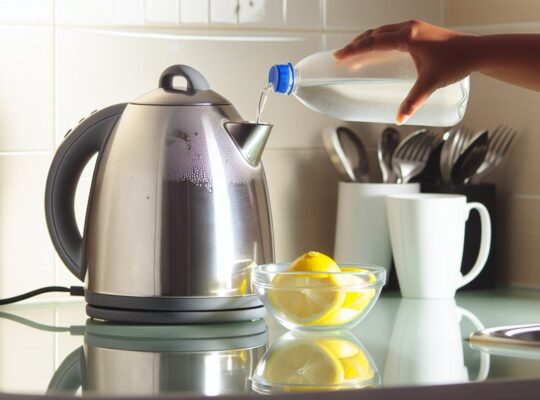
In short, while a typical electric kettle won’t explode under normal operation, misuse, severe faults, or counterfeit products can cause serious hazards. Taking straightforward safety steps will keep the chance of any dangerous outcome extremely low. Regular descaling and maintenance help prevent limescale-related risks and improve kettle efficiency, so follow a descale regularly routine.
Frequently Asked Questions
Yes — kettles can cause fires unrelated to boiling if their cords, plugs, or internal wiring are damaged, they’re left on unattended, or flammable debris contacts hot surfaces; inspect, use correct outlets, and replace faulty units promptly.
Do Cordless Kettles Wear Out Faster Than Corded Ones?
Yes — cordless kettles can wear out faster due to detachable base contacts, frequent docking wear, and hidden electronics; with proper care (cleaning contacts, avoiding drops, descaling) you’ll extend life, but expect slightly higher failure risk than corded.
Are Stainless Steel Kettles Safer Than Plastic Ones?
Yes — stainless steel kettles are generally safer than plastic ones: they resist heat, don’t leach chemicals, and’re more durable. You should still check construction quality, avoid damaged coatings, and follow manufacturer cleaning and use guidelines.
How Do Travel Kettles Differ From Regular Kettles?
Travel kettles are smaller, lighter, and lower‑wattage than regular kettles, so you’ll boil less water slower, often with foldable handles and dual-voltage options; they prioritize portability and safety features like auto shutoff and thermal insulation.
Can Mineral Buildup Make Kettles Taste Bad?
Yes — mineral buildup can make kettles taste metallic or stale; calcium and magnesium deposits trap residues and alter flavor. You should descale regularly with vinegar or citric acid and rinse thoroughly to restore safe, neutral-tasting water.