If you’ve ever needed a hot, satisfying meal with nothing but an electric kettle, you’ll find it surprisingly doable. You’ll hear the water click and see steam curl as short pasta softens, and you’ll learn how to measure, stir, and prevent messy boil-overs like a pro. I’ll walk you through what shapes work, how much water to use, timing tricks, and a few quick sauces — but first, let’s make sure your kettle can handle the job.
Key Takeaways
- Measure water and pasta: use about 140–160 ml water per 25 g pasta for thicker shapes; leave a small air gap below the max line.
- Add pasta to cold water gently, plug in, and stir immediately to prevent clumping and ensure even cooking.
- Monitor boiling, stir every 1–2 minutes, and test for al dente doneness near the shorter end of package timing.
- Drain carefully using a heatproof sieve or tilt and pour into a colander; rinse briefly with cool water to stop cooking.
- Descale and dry the kettle regularly; unplug and cool before cleaning to avoid burns and protect the heating element.
Is Your Kettle Safe for Cooking Pasta?
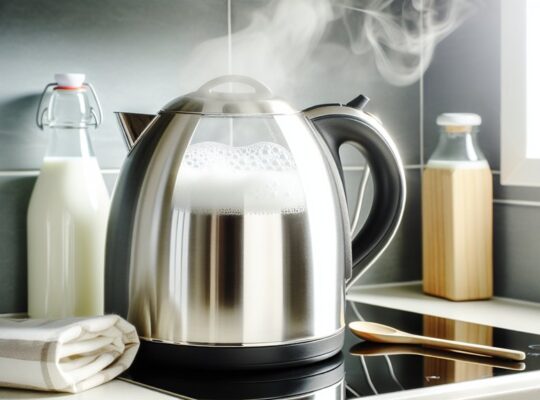
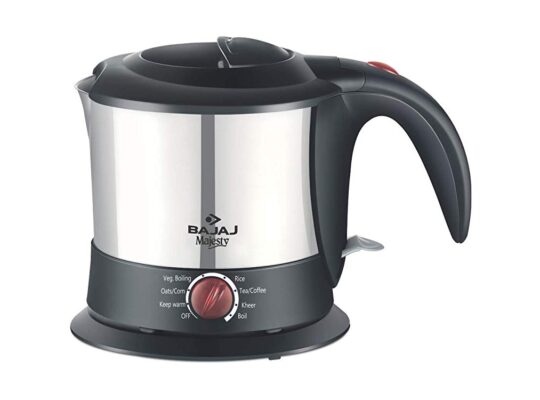
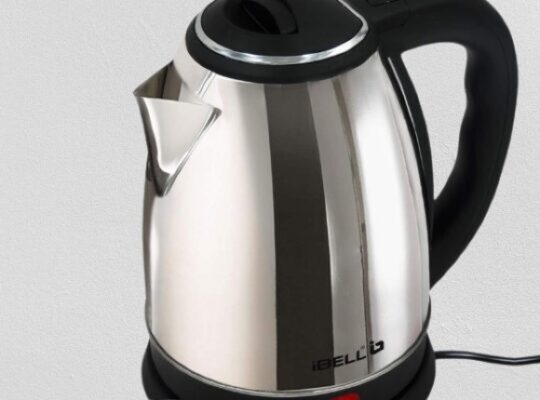
Wondering if your kettle can double as a mini-stove? You’ll want to check the interior, seals, and manufacturer’s guidance before you try. Run your fingers along the spout and lid—if you feel loose fittings or corrosion, don’t risk steam scalds or leaking water. Look at the heating element: exposed coils or mineral encrustation can cause uneven heating and hotspots that char pasta or damage the kettle. Read the manual; many electric kettles are rated only for boiling water, not extended cooking. Smell for plastic odors during a brief test boil—persistent chemical smells mean the lining shouldn’t contact food. Consider safety features: automatic shutoff, boil-dry protection, and a stable base reduce hazards. If you’re unsure, test with a small water boil and monitor temperature and steam release. When you proceed, keep a lid handy, use oven mitts, and never leave the kettle unattended. Safety comes first; if doubts remain, choose another method. Also consider the kettle’s construction and features—like a stainless steel body and concealed heating element—which can affect suitability for cooking.
What Types of Pasta Work Best in a Kettle
Which shapes survive a cramped, rolling boil best? You’ll find short, sturdy shapes like penne, rigatoni, and elbows stand up to the kettle’s turbulent swirl. They resist clumping, toss against the walls without shearing, and trap sauce in little ridges and tubes. Thin strands—spaghetti, angel hair—tangle quickly and can form dense mats that stress the kettle and raise scald risk, so avoid them. Small shapes—ditalini, orzo—cook evenly and slip through agitation, but watch for foaming. Fresh pasta is delicate; it’ll disintegrate in minutes, so stick with dried varieties for predictable texture and safer handling. Look for pasta labeled “al dente” timing close to your kettle routine; shorter cook windows reduce boil time and exposure. You’ll want rigid shapes that let you stir gently and lift portions without battling a sticky mass. Choosing wisely keeps the process controlled, minimizes splatter, and helps you cook safely every time. Also remember that using a kettle with automatic shut-off improves safety when heating water for pasta.
How to Measure Water and Pasta to Prevent Overflow
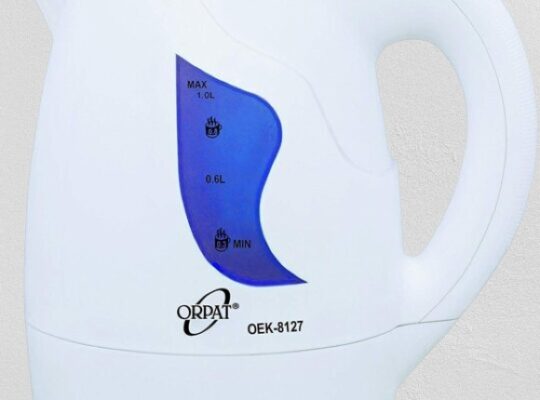
Measuring carefully, you’ll balance water and pasta so the kettle barely room to boil without spitting. Feel the cool weight of the kettle as you add water to just below the maximum fill line — that thin air gap is your safety margin. Use a measuring cup: for thin noodles, circa 100–120 ml per 25 g pasta; for thicker shapes, increase to 140–160 ml per 25 g. Scatter pasta pieces gently so they submerge without crowding; they’ll swell and push the level up. Watch the surface: if water kisses the element when cold, reduce by 25–50 ml. If using fusilli or penne, allow extra clearance for trapped air. Mark your kettle with a removable sticker at the safe fill point for future runs. You’ll hear the first tiny boil; if bubbles rush and foam rises quickly, switch off, remove some water, then continue. This keeps you safe and prevents hot spills. For consistent results and to avoid overcooking, consider using room temperature eggs in a separate batch if you also plan to boil eggs in the kettle.
Step-By-Step: Boiling Pasta in an Electric Kettle
Now that you’ve set the water and portion limits, it’s time to actually boil the pasta — and you’ll do it with attention and small, deliberate moves. Plug the kettle in, feel the slight warmth of the base, and watch the indicator light glow; you’re in control. Pour the measured water in, add the pasta gently so strands or shapes sit without crowding, and close the lid. Flip the switch; the kettle hums, and you’ll hear the first thin pops as heat builds. Stay nearby — the room fills with wet, rising steam and a faint wheat scent. When the kettle clicks off, leave the lid closed a moment to reduce splatter when you lift it. Use a long-handled spoon or tongs to remove a test piece, then drain carefully into a heatproof sieve over the sink. Set the kettle aside to cool, unplug it, and wipe any spills instantly. Your steady, safe motions will keep the process simple and hazard-free. Always ensure you do not exceed the kettle’s maximum fill to prevent spills and overheating.
Stirring and Timing Tips to Avoid Clumping
A few decisive stirs and the right timing keep your pasta from turning into a sticky clump. You’ll hear the water burble, feel the steam on your wrist — that’s your cue to act with calm precision. Once the water returns to a rolling simmer after adding pasta, stir immediately to separate strands, then again at short intervals so starches don’t glue together.
- Start stirring right after pasta enters boiling water — a firm, quick motion to separate pieces.
- Stir gently every 1–2 minutes during the first half of the cook time; reduce frequency as pieces loosen.
- Final stir 30–60 seconds before your target time to dislodge any pieces resting on the kettle bottom.
Use a heatproof utensil and steady grip to avoid splashes. Keep hands clear of steam and the kettle opening. With practiced timing and tactile attention, you’ll produce evenly cooked, safe-to-serve pasta without sticky surprises. Be sure to inspect your kettle for limescale buildup regularly to maintain heating efficiency and safety.
How to Test Pasta Doneness Without a Colander
Confidence comes from your senses: to test pasta doneness without a colander, reach in with a fork or tongs, lift a strand and bite it, listening for a slight resistance and watching for a tiny white core to vanish; if the pasta yields easily and feels springy with no chalky center, it’s ready. Keep your movements controlled so hot water won’t splash; wear a thick kitchen towel or use tongs with a good grip. Taste a piece near the pot’s center — that’s where cooking is most even. Trust texture over time: al dente has a clean chew, overcooked is soft and limp. Electric kettles can heat water quickly, making them useful for tasks like instant noodles and other quick meals.
| Cue | Meaning |
|---|---|
| Slight resistance | Al dente, safe to stop |
| No white core | Fully cooked through |
| Limp, mushy | Overcooked, continue caution |
| Hot splash | Risk — adjust technique |
Drain carefully by tipping water slowly or using a slotted spoon; safety and touch guide you more than clocks.
Simple One-Kettle Sauces and Add-Ins
How do you turn a lone kettle of boiling pasta into a complete, saucy meal? You’ll hear the hiss of steam and smell olive oil warming; within minutes you can coax flavor into that bubbling pot without compromising safety. Keep heat controlled, lid partly ajar, and never overfill.
- Heat-and-pour tomato: stir in a ladle of canned crushed tomatoes, a pinch of salt, a drizzle of olive oil; let it simmer briefly until the sauce clings to noodles.
- Creamy garlic-butter: add a knob of butter, a crushed garlic clove, and a splash of pasta water; swirl until silky and smooth.
- Herb-oil toss: off heat, fold in chopped basil, red pepper flakes, and lemon zest for brightness.
Taste as you go, adjust seasoning, and use a long spoon to prevent splashes. These one-kettle add-ins keep cleanup minimal and safety front of mind while delivering vivid, satisfying bowls. For added safety and faster boiling, consider using a 2-litre electric kettle with a powerful heating element and auto shut-off to prevent boil-dry accidents.
Cleaning and Caring for Your Kettle After Cooking
When the steam stops and the kettle cools, you’ll run clear water through it so starchy residue slips away and the metal glints like new. Every few weeks you’ll tackle mineral cling with a gentle descaling routine—vinegar or citric acid, hot water, a patient rinse—to keep taste and function pristine. To prevent lingering odors, air it open, wipe seals, and store it dry so your next batch of pasta smells only of sauce. Descaling regularly helps prevent mineral buildup and keeps boiling times and taste consistent.
Rinsing Immediately After Use
Wondering why you should rinse your electric kettle right after cooking pasta? You’ll feel the warm steam lift away starch and smell the faint, nutty residue—rinsing stops buildup before it hardens. Be careful; the metal’s hot.
- Pour out water and any loose pasta bits immediately, avoiding scalds.
- Rinse with cool running water while tilting the kettle to reach the spout; you’ll see cloudiness clear.
- Wipe the interior with a soft, nonabrasive cloth to remove lingering film; dry with a clean towel.
Doing this keeps the kettle smelling neutral, prevents slippery mineral-starch layers, and ensures safe boiling next time. Rinse promptly, handle with care, and your kettle will stay reliable and hygienic.
Descaling Regularly and Safely
A mineral-coated kettle won’t just look dull—it’ll slow heating, taste metallic, and eventually clog the element, so you should descale it on a regular schedule to keep it working safely and efficiently. You’ll notice chalky flakes and a faint grit at the bottom; that grit conducts heat poorly and can hide bacteria, so you act. Fill with equal parts water and white vinegar, bring it to a simmer, then let it sit until fizzing subsides and scale softens. Rinse thoroughly, boil plain water twice, and dump—no residue should remain. For stubborn deposits, gently scrub with a soft brush; never use abrasive pads. Keep your kettle dry between uses and log descaling every one to three months depending on hardness.
Preventing Lingering Odors
Descaling keeps your kettle humming and tasting clean, but odors from past meals can linger even after mineral buildup is gone. You’ll notice a faint savory tang when you lift the lid; act promptly to prevent absorption into plastic and metal. Rinse immediately, then follow a simple routine that’s safe and effective.
- Fill with equal parts water and white vinegar, boil briefly, unplug, let sit 30 minutes — the steam loosens trapped aromas.
- Dump, rinse thoroughly, scrub the spout and rim with a soft brush; avoid abrasive pads that damage seals.
- Boil plain water once or twice, smell-testing between boils until neutral.
Dry fully with a clean towel and air out with the lid open to keep your kettle odor-free and safe.
Safety Precautions and Common Pitfalls
Though it’s tempting to rush when the kettle’s whistle is barely a memory, you’ve got to treat this method like any hot-cooking technique: respect the heat, control the steam, and keep your hands and countertops out of harm’s way. Feel the metal buzz, hear the boil; use oven mitts when you lift the lid and angle it away so steam brushes air, not your face. Don’t overfill — scalding water sloshing over the rim is fast and unforgiving. Secure the kettle on a stable surface so it won’t wobble as you stir with a long utensil. Avoid metal utensils that scrape heating elements; use heat-resistant silicone or wood. Never run the kettle dry; that damages the element and risks fire. Unplug before cleaning and let it cool; the inside retains heat longer than you expect. If you notice odd smells, discoloration, or sparks, stop using the appliance and have it inspected or replaced. Your safety comes before speed or convenience. For faster results with higher boiling power consider kettles with high wattage for more efficient performance.
Creative Serving Ideas and Variations
Now that your pasta’s cooked, you can flip the meal from simple to sensational with a few smart swaps and additions. Try quick sauce swaps like lemon-butter, pesto, or a chili-tomato mix, toss in proteins such as canned tuna, shredded rotisserie chicken, or sautéed mushrooms for texture, and finish with crisp herbs, toasted nuts, or a drizzle of good olive oil for contrast. You’ll plate with intent—nest the pasta high, scatter garnishes for color, and serve immediately so every aroma and bite feels fresh. For kettles used to cook pasta, routinely descale them to prevent limescale buildup and keep heating efficient.
Quick Sauce Swaps
Looking for a fast way to turn plain kettle pasta into something memorable? You’ll hear the hiss of hot water and then the satisfying heft of drained noodles as you swap sauces in seconds. Keep a clean workspace and a heatproof spoon nearby.
- Tomato plus basil: crush a ripe cherry, stir in olive oil, sprinkle salt—bright, safe, and classic.
- Garlic butter: melt butter, bloom minced garlic briefly, finish with lemon zest for a glossy, fragrant coat.
- Herbed yogurt: whisk plain yogurt with chopped dill and a pinch of salt for a cooling, tangy mantle.
Each swap is quick, low-risk, and vivid on the tongue. Taste as you go, adjust seasoning, and serve warm.
Mix-In Protein Ideas
Protein-boosting additions transform simple kettle pasta into a satisfying, full meal you can customize by taste and time. Picture steaming strands tangled with tender canned tuna flaked gently in, or creamy cottage cheese melting into hot noodles for immediate protein and a silky mouthfeel. If you’ve pre-cooked chicken or rotisserie leftovers, shred them and fold them in at the end to warm through without overcooking. For a vegetarian lift, toss in drained chickpeas or sautéed mushrooms you’ve cooked beforehand; they add chew and earthiness. Edamame and frozen peas thaw quickly in residual heat, brightening color and texture. Use shelf-stable options—canned beans, tuna, or vacuum-packed tofu—when safety or limited prep space matters, and always reheat to steaming for reassurance.
Garnish and Plating Tips
After you’ve folded in your protein, think about how finishing touches can lift both flavor and appearance—small additions turn kettle pasta from a grab-and-go bowl into something worth photographing. You’ll want contrasts: bright herbs, crunchy texture, and a glossy drizzle. Be mindful of hot steam and utensils; safety matters when plating from a kettle.
- Sprinkle: toasted breadcrumbs or chopped toasted nuts for audible crunch and warm, nutty aroma.
- Brighten: tear fresh basil or parsley over the surface, releasing volatile oils that perfume each bite.
- Finish: a small spoon of olive oil or lemon zest for shine and a clean, acidic lift.
Plate onto a warm dish, taste for seasoning, and serve immediately to preserve texture and temperature.
Frequently Asked Questions
Can You Cook Other Grains (Rice, Quinoa) the Same Way in a Kettle?
Yes — you can, but it’s trickier: you’ll need precise water ratios, stirring, and intermittent boiling to avoid overflow or scorching. You’ll smell steam, feel heat; follow safety steps, supervise closely, and don’t leave it unattended.
Will Mineral Buildup From Cooking Affect Kettle Taste Over Time?
Yes — mineral buildup will subtly alter flavor over time, and you’ll notice metallic or chalky hints. Scrub and descale regularly with vinegar or citric acid, rinse thoroughly, and you’ll keep tastes neutral and safe.
Can You Use an Electric Kettle With a Detachable Base for Cooking?
Yes — you can, but don’t assume it’s safe: you’ll feel hot steam and vibrations; check the manufacturer’s rules, avoid immersion of the base, use only food-safe, hard-wired kettles, and unplug before cleaning to prevent shocks.
Is It Safe to Leave Pasta Soaking in a Hot Kettle After Unplugging?
No — you shouldn’t. You’ll feel the residual heat, but bacteria can grow as it cools; starches become gummy and smell develops. Unplugged, drain and cool quickly; don’t let soaked pasta sit in the kettle.
Do Warranty Terms Usually Cover Damage From Cooking Food in Kettles?
No, warranties usually don’t cover damage from cooking food in kettles; they’ll say you misused the appliance. You’ll smell scorched plastic, see deposits, and be denied repair—so don’t risk safety or void protection.