Yes—you can, but only with the right kettle and a careful approach. If you’ve got a concealed-element, stainless steel or glass kettle with a wide mouth, rinsed rice, and the right water ratio, you’ll get tender grains without a scorched mess. The method’s simple: boil, simmer briefly, then let it steam—yet there are safety, cleanup, and texture caveats you’ll want to know before you try.
Key Takeaways
- Yes, you can cook rice in an electric kettle if the manufacturer confirms multi-function use or the kettle has a concealed heating element.
- Use stainless steel or glass interiors and a wide mouth kettle to reduce sticking and make stirring and cleaning easier.
- Rinse rice, add correct water ratio (≈1:1.25 short-grain, 1:1.5 long-grain), close lid, and start heating.
- Let the kettle reach boil, allow automatic shutoff, then keep covered and steam for 10–12 minutes before fluffing.
- Avoid kettles with exposed elements, descale regularly, unplug before cleaning, and never immerse the base in water.
Which Electric Kettles Can Safely Cook Rice
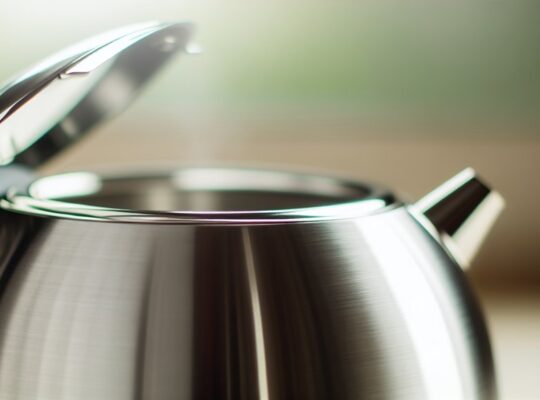
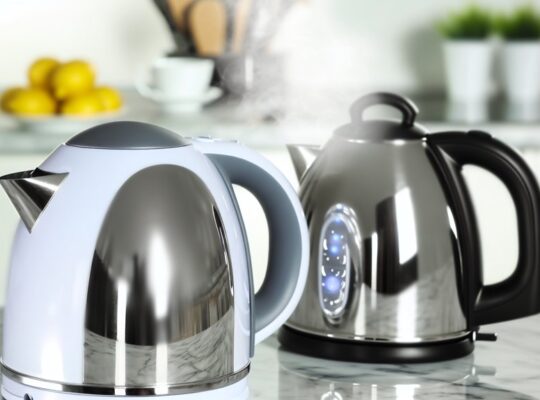
Not every electric kettle is built to handle rice — models with exposed heating elements, thin plastic shells, or single-purpose boil-only designs can warp, scorch, or trap starchy residue. You’ll want a kettle with a concealed (flat-plate) heating element or an induction-built base so rice won’t adhere and burn. Choose stainless steel or glass interiors rather than thin, discolored plastic; they resist staining, withstand heat, and let you see water clarity. Look for a wide mouth and stable lid so you can add grains and stir without splashing hot water. Temperature control and keep-warm settings give you gentler simmering, reducing boil-overs and sticking. A kettle with an easy-to-clean removable filter or smooth interior surface will cut down on trapped starch. Check manufacturer guidance to confirm multi-function use and safety certifications (CE, UL). If a model lacks these features, don’t risk it — prioritize a kettle designed for simmering and easy cleaning to keep you safe. Models with stainless steel bodies and concealed elements are generally safer for cooking rice, especially popular 1.0-liter options like the stainless steel body models listed above.
Step-By-Step Methods to Cook Rice in a Kettle
Ready to try? Start by measuring rice and rinsing it until the water runs clear; this reduces starch and prevents gummy texture. Use a kettle approved for cooking or one with exposed heating element suited to small food prep. Add rice to the kettle, then pour in the correct water ratio (commonly 1:1.25 for short-grain, 1:1.5 for long-grain) so grains sit submerged. Close the lid and switch the kettle on; you’ll hear a steady hum and see steam build. Once it boils and auto-shuts, let it sit covered for 10–12 minutes to finish steaming—don’t open the lid; you’ll trap heat and moisture. After resting, use a heatproof spoon to fluff the rice gently, releasing a warm, nutty aroma and separate, plump grains. Serve immediately. If you’re cooking larger batches, reduce quantity to avoid water overflow and follow manufacturer safety guidelines for capacity and food contact. Regular descaling helps prevent mineral buildup that can affect kettle performance.
Troubleshooting and Appliance Care Tips
Having trouble getting fluffy rice or worried about your kettle afterward? Start by checking grain-to-water ratio and stir gently before heating to prevent clumps and uneven cooking. If rice sticks or scorches, reduce heat cycles and let it sit covered for 5–10 minutes to finish steaming; avoid scraping the heating element. A metallic smell or discoloration means mineral buildup — descale with a 1:1 vinegar-water solution, boil briefly, then rinse thoroughly until smell is gone. If water isn’t boiling properly, check the lid seal and make sure the element and sensors are dry and free of residue. Don’t immerse the base in water; unplug before cleaning. For safety, always use utensils that won’t damage the element and avoid overfilling to stop boil-over. Inspect the cord and switch regularly; if you notice sparks, burning smell, or temperature irregularities, stop using the kettle and have it serviced or replaced. Also, select the right materials for your kettle to improve heat retention and safety.
Frequently Asked Questions
Can Cooking Rice in a Kettle Affect Its Warranty?
Yes — it can void your warranty. Manufacturers usually restrict non-intended use, and starch, residue, overheating or scale buildup can damage elements. You’ll want to check your manual and avoid risks to keep the kettle safe.
Is Rice Cooked in a Kettle Nutritionally Different?
No — rice cooked in a kettle isn’t substantially different nutritionally; you’ll get the same carbs, protein, and minerals. Just be careful with uneven cooking, potential contamination, and wash hands and utensils to keep it safe and pleasant.
Can I Use Flavored Broth Instead of Water in a Kettle?
Yes — you can use flavored broth, but beware residues and boiling vigor; it’ll smell rich and season rice, yet you’ll need to clean the kettle thoroughly afterward, avoid fatty broths that can scorch, and watch for boil-overs.
How Long Does Cooked Rice Keep Without Refrigeration?
Cooked rice keeps about two hours at room temperature before bacteria risk rises; you shouldn’t eat rice left longer. If it’s hot and covered, cool and refrigerate within two hours, or discard if smell/texture changes.
Yes — you should be cautious. Shared kettles can harbor starch, bacteria, and odors; you’ll want to clean thoroughly after each use, avoid cross-contamination, dry fully, and consider dedicating one kettle for rice to stay safe and smell-free.