You’re about to make a steaming bowl of instant noodles using only a kettle and a heat‑safe bowl. Feel the hiss as water reaches a rolling boil, smell the toasted wheat and spice packet ready to bloom, and see the noodles soften to the exact chew you like. With a few careful measures and simple add‑ins, you’ll get better texture and flavor than the package promises — and one small trick at the end will change everything.
Key Takeaways
- Measure water to just cover noodles (about 350–400 ml for a single 85–100 g pack) and pour into a clean electric kettle.
- Bring water to a rolling boil with the lid closed, watching to avoid boil-overs and using oven mitts when handling.
- Add noodles to the boiling water or pour boiling water over noodles in a heatproof bowl; keep lid on and steep 3–4 minutes.
- Stir gently with tongs or fork to loosen noodles, check firmness periodically, and drain or retain desired amount of broth.
- Stir in seasoning sachets and any quick add-ins (tuna, frozen veg, egg), taste-adjust, then serve on a heat-resistant surface.
What You Need: Tools and Ingredients
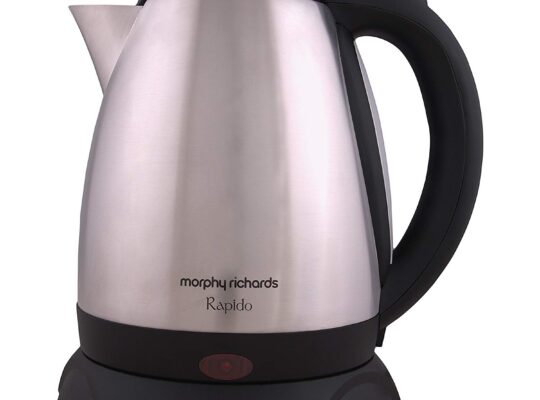
Wondering what you’ll need to pull this off? Gather a clean electric kettle with a secure lid and an automatic shut-off — it’s your heat source and safety guard. Have a heatproof bowl or mug that fits the kettle’s spout clearance; you’ll be pouring boiling water into it, so pick something stable and thick-walled. Use tongs or a long-handled fork to handle the noodles and avoid steam burns. Keep a timer or use your phone’s timer to prevent overcooking and accidental scorching. Have a pair of oven mitts or a dry kitchen towel ready for gripping the kettle and bowl. Keep the seasoning packet(s) nearby in a dry spot, and if you’re adding extras (egg, greens, cooked protein), prep them beforehand in a separate plate so you’re not tempted to multitask over boiling water. Finally, have a trivet or heatproof surface to set the hot bowl on once you’re done. Electric kettles heat quickly but can foam and spill with certain liquids, so follow safety and cleaning advice for boiling milk and other dairy or starchy ingredients.
Choosing the Right Instant Noodles
Which noodle will give you the texture and flavor you crave? You’ll want to sense the bite, the broth cling, the seasoning balance before you boil. Look for wheat ribbons for springy chew, rice vermicelli for delicate silk, or thicker udon-style strands for slow, satisfying slurp. Smell the packet: toasted sesame, garlic, or a clean sea salt will tell you what the finished bowl will sing.
| Type | Mouthfeel |
|---|---|
| Wheat | Springy, resilient |
| Rice | Tender, light |
| Udon-style | Chewy, substantial |
Check ingredient lists for clear labeling and minimal additives if you prefer predictable, safe outcomes. Prefer sealed packs from reputable brands and note any allergen warnings. If you want richer flavor without excess sodium, pick concentrated paste sachets over powdered mixes. Trust your senses—sight, smell, and a quick ingredient glance—so the noodles you choose give you a confident, delicious result when you heat them in the kettle. Be mindful that kettles are designed for boiling water, not frying, so prioritize safe heating and temperature control when preparing foods.
Preparing Your Kettle and Bowl
Before you pour water, make sure the kettle and bowl are spotless and free of lingering flavors — a clean vessel keeps the broth bright and the noodles true to their intended taste. Rinse both with hot water, feeling the smooth metal or ceramic warm under your hand; any residual oil or soap scent will dull the noodle’s aroma. Inspect the kettle spout for mineral build-up and wipe the rim with a clean cloth so steam won’t carry off odors. Use a bowl that sits stable and won’t wobble when you pour; place it on a dry, heat-resistant surface. If your kettle has a removable filter, remove and wash it; reattach only when fully dry. Avoid using plastic bowls that can warp from boiling water. Keep a pair of kitchen tongs or chopsticks nearby so you don’t dunk your fingers into near-boiling water. These small precautions protect flavor and prevent scalds, giving you a safer, tastier meal. Boiling water in an electric kettle is fast and energy-efficient, making it a convenient choice for preparing instant noodles.
Measuring Water for Perfect Texture
How much water you use changes everything — the same packet can turn silky and chewy or soggy and limp depending on the pour. You’ll want to visualize the final bowl: a glossy, separated strand or a swollen, collapsing mass. For a firmer bite, measure just enough water to barely cover the noodles once they settle — usually 350–400 ml for a standard 85–100 g block. For softer, soupier results, aim for 500–600 ml. Use a clear measuring cup so you can see the water line against the noodles; the sight of translucent liquid rising around the pasta tells you when to stop.
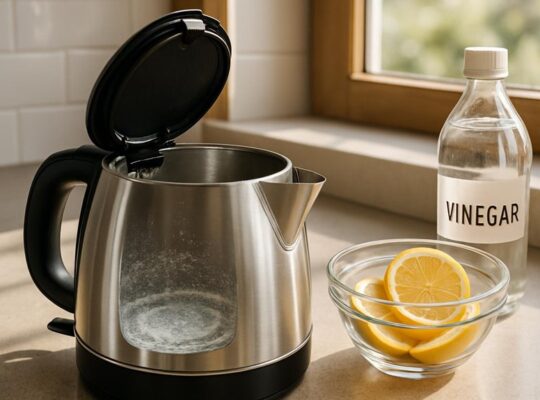
Taste and texture are your guides: add 25–50 ml increments rather than guessing. Note that seasoning packets can concentrate if you underpour, so dilute cautiously. Always let the noodles rest a minute after pouring; residual heat evens texture. These small, mindful measures keep your bowl safe, predictable, and delicious. For best results and to avoid off-flavors from mineral buildup, make sure your kettle is descaled regularly using vinegar solution and rinse thoroughly before cooking.
Boiling Water Safely in a Kettle
Before you flip the switch, check your kettle’s capacity so it won’t spit or overflow when the water starts to roar. Use fresh, clean water — its clear scent and bright taste make the noodles sing. Stay with the kettle while it heats, watching and listening for the subtle rise of steam so you can cut power the moment it’s right. Always ensure you do not exceed the marked maximum fill line to prevent spills and boil-overs.
Check Kettle Capacity
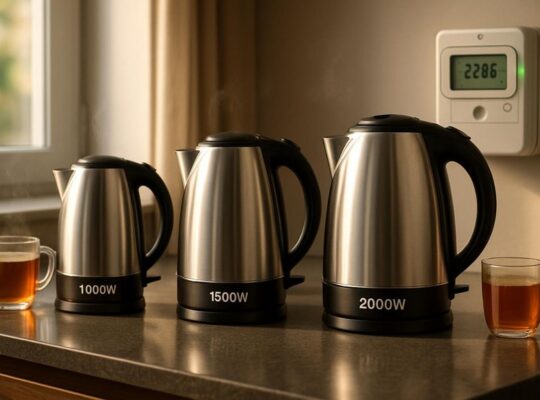
Want to know if your kettle’s up to the job? Feel the weight when it’s empty, then filled: the balance tells you if you can lift it safely when hot. Check the maximum fill line — it’s often etched inside — and never exceed it; steam needs space to rise. Note the kettle’s listed capacity in liters and compare it to the water your noodle cup requires. If you’re unsure, measure with a mug before boiling. Inspect the spout and lid for secure seals; a loose lid can spray scalding water. Listen as it boils: vigorous rolling means it’s full enough, thin hissing may mean underfilled. Choose a kettle sized for comfortable handling so you pour steadily and avoid splashes.
Use Clean Water
Once you’ve confirmed the kettle can handle the job, pay attention to the water itself — it’s the single biggest factor in how your noodles will taste and whether they’ll be safe to eat. Use fresh, cold tap or filtered water; it should smell neutral, not metallic or chlorinated. If your area has hard water or a noticeable odor, filter or use bottled water to avoid off-flavors and mineral buildup. Don’t reuse standing water — bacteria can grow and dissolved gases change taste. Fill to the level needed, leaving headspace to prevent boil-over. If you use chilled or refrigerated water, the kettle may take longer, but clarity and safety improve. Clean the kettle regularly to keep the water you boil pure and palatable.
Supervise Heating Closely
How close are you watching the kettle as it heats? Stand near enough to hear the first tiny hiss of steam and see the faint tremor on the water’s surface. Don’t wander—boiling happens fast. Keep the lid secure and your hand steady on the handle; a sudden boil can spit scalding drops. If your kettle whistles, take it off the heat immediately and set it on a heatproof surface. Turn handles away from edges, and use an oven mitt if the body gets hot. Watch the steam path; never lean over the spout. If you must leave, turn it off first. Your attention is the best safety device—focused, slow breaths, clear sight, and readiness to act the moment the water reaches a rolling boil.
Steeping Noodles for Best Results
Curious how a few minutes can transform limp strands into springy, flavorful noodles? You’ll coax texture by timing and movement: pour just-boiled water to cover the noodles, then cover the kettle or cup to trap steam. Let the noodles steep gently — usually 3–4 minutes — checking firmness with a fork. You’ll feel and hear the change as strands separate and soften; lift one to test heat and bite. Move slowly; violent stirring can tear noodles and scald you. Keep a lid on to maintain even heat and reduce splash risk. When they reach the firmness you like, drain carefully or tilt to retain some hot broth if you prefer. Cool the serving surface before handling utensils, and use oven mitts if the container is hot. For safety and best results, always inspect the kettle for damage and ensure the lid and handle are secure before pouring automatic shut-off.
Adding Seasonings and Mix-Ins
After you’ve judged the noodles’ bite, it’s time to layer flavor: sprinkle the seasoning packet evenly and stir gently so heat releases aromas without crushing the strands. Taste as you go—a cautious pinch first—so you can adjust salt and spice safely. If the packet includes oil or paste, dollop it in small amounts and emulsify with the broth; the scent will bloom, telling you when it’s balanced. Grind a little pepper or toasted sesame for texture, but keep additions dry and measured to avoid splatters from hot liquid. If you want acidity, add a few drops of lime or vinegar off heat to preserve brightness. For crunch, scatter toasted sesame seeds or crushed nori flakes on top rather than stirring them under the surface. Let the pot sit a minute so flavors meld, then stir once more and transfer carefully to a bowl, using oven mitts or a towel to protect your hands from steam. When cooking in an electric kettle, remember to avoid overfilling so boiling liquid won’t spill out.
Quick Protein and Vegetable Additions
Tear open a can of tuna and flake it into steaming noodles for a salty, umami lift that melts into the broth. Toss in a handful of frozen mixed veg while the kettle boils so the bright, crisp colors and subtle crunch return life to the bowl. Top with a soft‑boiled egg — its runny yolk will enrich the soup with a silky, comforting sheen. Be mindful that using an electric kettle on trains can be prohibited or unsafe due to fire and electrical risks, so always check the specific train’s rules and safety features like automatic shut-off before attempting to boil water onboard.
Canned Tuna Boost
Want a fast way to turn plain instant noodles into a satisfying meal? Pop open a can of tuna, drain it cleanly, and flake the flesh into warm noodles right after you pour boiling water from the kettle. The tuna adds immediate protein and a briny, meaty note that balances the savory seasoning. Stir gently so steam warms the tuna without overcooking; you’ll smell the sea and feel the texture soften into the broth. Add a squeeze of lemon or a pinch of pepper for brightness and a few chopped scallions for crunch — all prepped on a clean surface with a sanitized can opener. Discard unused tuna promptly; keep refrigerated in a sealed container and reheat only once for safety.
Frozen Veg Mix
How about tossing a handful of frozen mixed vegetables into your noodle bowl for a quick shot of color, crunch, and nutrition? You’ll steam them briefly with the boiling water from the kettle so they thaw evenly—peas pop bright, corn glows golden, diced carrots soften with a slight bite. Stir immediately to distribute heat and prevent cold pockets; trapped ice can lower the broth temperature and affect food safety. If you’re using raw-frozen edamame or broccoli, give them an extra 30–60 seconds under the lid to ensure tenderness and safe warmth. Drain excess water carefully if your packet’s icy, then season. The result is a vibrant, textural lift that’s efficient, safe, and satisfying without extra cookware.
Soft-Boiled Egg Addition
Craving a little extra richness? Crack a soft-boiled egg into your noodle bowl for silk and warmth. You’ll want eggs boiled 6–7 minutes for a jammy yolk; plunge them into an ice bath immediately to stop cooking and make peeling safe and easy. Peel carefully, keeping hands clean and dry, and halve the egg so the yolk spills golden over steaming broth. Place halves on noodles just before serving so the heat gently loosens the center without overcooking. Season the egg with a pinch of salt, a grind of pepper, or a drizzle of sesame oil for fragrant contrast. Eat promptly; consume within an hour if your noodles aren’t piping hot to minimize food-safety risk.
Tips to Improve Flavor and Texture
Looking for a quick way to elevate plain kettle noodles into something savory and satisfying? Start by layering textures and aromas: tear fresh herbs over steaming noodles, grate a touch of citrus zest, or sprinkle toasted sesame for a warm, nutty note. Add a splash of soy or fish sauce sparingly—taste as you go—to deepen umami without overpowering. For silkier broth, stir in a small knob of butter or a drizzle of toasted sesame oil after you turn off the kettle; it’ll coat the strands and carry flavor. If you want body, whisk a beaten egg into the hot water to create ribbons that feel pillowy on your tongue. Toss in pre-cooked vegetables or tender leaf greens at the end so they stay bright and provide contrast. Always use utensils and mitts to handle the kettle and transfer hot contents safely. You can also boost protein quickly by adding a boiled egg sliced on top.
Cleaning Up and Kettle Care
After you’ve enjoyed your bowl, don’t let residue sit and stain the kettle—hot starch and oils will cling and dull both flavor and finish if left to cool. Rinse immediately with warm water, feeling the slick film lift from the metal. Use a soft sponge and a drop of mild detergent; scrub gently where seasoning pooled. Avoid abrasive pads that scar the interior or damage any nonstick lining.
Let the kettle air-dry upside down to prevent trapped moisture. Wipe the exterior with a damp cloth—steam can carry salt that corrodes fittings. If odors linger, boil a mix of water and a tablespoon of baking soda, then discard and rinse. Check the spout and lid for trapped particles before storage; your hands will notice any grit.
When traveling with a kettle, remember to verify your airline’s rules about small appliances and carry-on size and weight to avoid issues at the airport.
| Task | Time | Tip |
|---|---|---|
| Rinse | Immediately | Warm water loosens starch |
| Clean | 1–2 min | Mild soap, soft sponge |
| Deodorize | 5–10 min | Baking soda boil, rinse |
Frequently Asked Questions
Can You Cook Frozen Dumplings in the Same Kettle Method?
You can, but you shouldn’t if safety matters: frozen dumplings need fully boiling, circulating water to avoid cold spots and plastic lining damage. Don’t overcrowd; stir gently, ensure steaming, and check internal temperature reaches 75°C (165°F).
Is It Safe to Reuse Noodle Cooking Water for Tea?
No, you shouldn’t — it’s risky. The broth’s salty, oily, and may harbor starches or residues; it’ll taste off and could irritate your stomach. Use fresh filtered water for tea to be safe and clean.
How Long Do Leftovers Last After Kettle Cooking?
Leftovers from kettle-cooked noodles last about 1–2 days in the fridge; you shouldn’t keep them at room temperature over two hours. Cool quickly, store airtight, and reheat until steaming hot to ensure safety and flavor.
Can I Make Two Different Noodle Flavors at Once?
Yes — but don’t. Mixing flavors can create odd saltiness and competing spices, plus cross-contamination risks if one pack has allergens. If you try, separate bowls, measured water, and careful timing keep it safer and more pleasant.
Will Hard Water Affect Noodle Texture or Taste?
Yes — hard water can make noodles firmer and slightly metallic-tasting; minerals change texture and cling to starch. You’ll want to use filtered or bottled water for safer, cleaner flavor and a more tender, predictable bite.