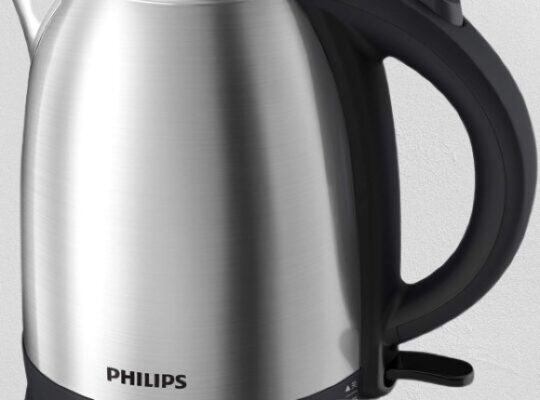
You’re comparing kettles because price feels like the quickest way to save, but there’s more to weigh than sticker cost. Think materials, safety cutoffs, temperature control, and how long the thing actually lasts—cheaper models can boil faster but may short out sooner or skimp on protections. If you want to cut costs without ending up with a headache, you’ll need to ask a few specific questions first.
Key Takeaways
- Cheap kettles save upfront cost but often use lower-grade materials and may last only 1–3 years versus 5–10 for branded models.
- Branded kettles usually offer better temperature control, insulation, and energy efficiency, reducing long-term electricity costs.
- Safety features (redundant cutoffs, boil-dry protection, certified components) are more reliable in branded units and lower risk.
- Faster boil times in budget models can offset price differences, but verify wattage, element design, and real-world energy use.
- If water taste, limescale resistance, and serviceability matter, choose stainless/glass or branded options over cheap coated plastics.
Why Price Differences Matter for Electric Kettles
Why should you care whether a kettle costs $25 or $125? You’ll want to weigh upfront price against total ownership costs and performance. A higher price can mean smarter temperature controls, faster boil times, and built-in safety features like auto shutoff diagnostics and boil-dry protection—capabilities that reduce risk and potential replacements. Conversely, a cheap model might save cash today but lack consistent thermostats, surge protection, or reliable detectors for faults, increasing maintenance or hazard likelihood. Think in terms of specs: energy efficiency, warranty length, and firmware or component quality that affect longevity and safety margins. Also consider serviceability and spare-part availability; branded units often have clearer support channels. For a tech-savvy buyer, benchmark boil-time, power draw, and safety certifications (UL, CE) before buying. That analytic approach helps you determine whether the premium buys tangible safety and performance gains, or whether a budget kettle meets your needs without hidden costs. Many reputable brands like Philips often offer longer warranties and better after-sales support, which can justify a higher initial price.
Materials and Build Quality: What to Expect
When you compare kettles, start by feeling the exterior finish—plastic, stainless steel, or painted metal tells you a lot about scratch resistance and heat retention. Check what’s inside too: food-grade stainless vs cheap coatings can affect taste, longevity, and safety. Finally, look for solid assembly, tight seams, and compliance markings that indicate better durability and manufacturing standards. Higher wattage models often boil faster, so consider the appliance’s power rating (wattage) when judging performance.
Exterior Finish and Feel
The exterior finish and feel of a kettle tell you a lot about its build priorities before you even lift the lid: cheap models often use thin stamped metal or glossy plastic that shows fingerprints, warps with heat, and rattles, while higher-end kettles will feature thicker gauge stainless steel, brushed or powder-coated surfaces, and tightly fitted seams that resist dents and look consistent over time. You’ll notice weight and balance immediately — a solid base and ergonomic handle indicate better internal mounting and lower risk of wobble or loose wiring. Surface treatments affect cleaning, corrosion resistance, and heat transfer to touch points; matte or textured finishes hide wear and improve grip. Inspect seams, paint edges, and handle joints for gaps that could trap moisture or hide defects.
Internal Materials Used
Curious what’s inside your kettle and why it matters? You want materials that won’t leach, corrode, or alter taste. Cheap kettles often use thin stainless or coated metals; branded options tend to specify 304/316 stainless or food-grade plastics in non-water contact zones. Inspect for visible welds, silicone gaskets, and inner coatings; those affect safety and flavor.
- Stainless steel (304/316): durable, corrosion-resistant, low reactivity — preferred.
- Glass: inert and clean-tasting but fragile; watch seals.
- BPA-free plastics: acceptable if away from boiling water and clearly rated.
- Inner coatings (enamel/non-stick): avoid if not certified food-safe or if scratched.
You’ll reduce risk by choosing certified materials and documented safety specs.
Assembly and Durability Standards
Materials tell you what’s safe to boil, but how those parts are put together determines how long the kettle will actually last and how reliably it’ll perform. You should inspect welds, seams, and fastenings—poor spot-welding or loose rivets mean faster failure and potential leaks. Look for consistent molding on plastic parts and gasket seating; gaps can trap scale and hide corrosion. Certified models will cite standards like IEC or UL and show component-level testing (thermal cutouts, boil-dry protection) — that’s a big safety plus. Branded kettles often have better QA, traceable parts, and clearer service documentation, but a well-made inexpensive unit can still pass if assembly tolerances and safety interlocks are verifiable. Prioritize tested, documented builds.
Boil Speed and Energy Consumption Compared
You’ll notice real differences in boil times between budget and branded kettles, and those seconds add up if you’re boiling daily. Compare wattage, element design, and insulation to gauge actual energy use rather than relying on sticker claims. I’ll show how faster boil speeds and better efficiency can offset a higher upfront cost over time. Boil time differences also affect kitchen tasks like preparing eggs, where recommended timings (e.g., 6–7 minutes for soft-boiled large eggs) can be easier to achieve with consistent heat.
Boil Time Differences
How much faster does a premium kettle actually bring your water to a boil, and does that speed justify the higher price? You’ll notice branded models often shave 20–40% off boil time for a full jug thanks to better heating elements and thermal design. That’s meaningful if you boil frequently, but raw seconds matter less than reliability and safety features.
- Faster element response — branded kettles heat more uniformly, reducing hotspots and scale buildup.
- Capacity impact — smaller volumes reach boil quickly regardless of brand; full-capacity tests reveal true differences.
- Build quality — tight seals and insulated spouts speed heat transfer control and reduce steam loss.
- Safety trade-offs — faster boil should still include auto-shutoff and boil-dry protection; don’t compromise on those.
Energy Use Efficiency
Faster boil times are great, but they only matter if they don’t waste more energy — so let’s compare how boil speed and energy consumption actually line up between cheap and branded kettles. You’ll find branded models often use better heating elements and insulation, so they hit target temperatures faster with less standby loss. Cheap kettles can be quicker initially but overshoot or have inefficient heat transfer, raising actual kWh per boil. You should weigh cycle energy, insulation, and auto-shutoff accuracy to estimate real-world efficiency and safety.
| Feature | Cheap kettle | Branded kettle |
|---|---|---|
| Typical boil time | Short/variable | Consistent/fast |
| Energy per boil (kWh) | Higher | Lower |
| Safety controls | Basic | Robust |
Safety Features: Auto Shutoff, Boil‑Dry Protection and More
While price tags can be tempting, safety features like auto shutoff and boil‑dry protection are nonnegotiable—especially if you’re using the kettle around kids, pets, or busy mornings. You’ll want a model that reduces risk without adding complexity. Focus on sensors, certified components, and clear indicators so you can trust the appliance when you’re distracted.
- Auto shutoff: verifies boiling via temperature or steam sensors; prevents overheating once water reaches target.
- Boil‑dry protection: cuts power if no water’s detected; crucial for preventing element damage and fire risk.
- Lid/interlock and cool‑touch surfaces: minimize spilling and accidental burns, especially important if small hands are nearby.
- Certifications and fail‑safes: look for CE, UL or equivalent, plus redundant cut‑offs and thermal fuses for added reliability.
You’ll pay a bit more for robust safety engineering, but in practical terms those features reduce injury and liability—making branded or well‑specified cheaper models better value when safety’s the priority. Many reliable 2‑litre kettles, such as the iBELL SEK20BM, combine triple protection with a locking lid and 360° base for added convenience and safety.
Durability and Typical Lifespan
Safety features help prevent immediate hazards, but you also want a kettle that’ll last — especially if you’re weighing cheap vs branded options. You’ll notice branded kettles usually use higher‑grade materials (stainless steel heating elements, thicker lids, reinforced handles) and tighter assembly tolerances, which reduce wear from thermal cycling and limescale. Cheap models often cut costs with thinner plastics, lower‑quality seals and basic connectors that degrade faster under repeated heat and moisture.
Expect branded kettles to last 5–10 years in regular use; budget units commonly fail within 1–3 years, especially where hard water or heavy daily use accelerate scale and element stress. Look for corrosion‑resistant elements, replaceable strainers and serviceable parts to extend life. Regular descaling and avoiding dry‑boil cycles will preserve any kettle’s lifespan. When safety matters, factor longevity into cost-per-year calculations rather than upfront price alone — a longer‑lasting unit reduces the risk of sudden failures that can create hazardous situations. A useful maintenance habit is to descale regularly to prevent mineral buildup and maintain heating efficiency.
Warranty, Support and Spare Parts Availability
How long will you be protected if something goes wrong? You’ll want clear warranty terms, responsive support, and accessible spare parts to keep risk low and safety high. Compare cheap vs branded units by these measurable factors:
- Warranty length and scope — longer, comprehensive warranties usually indicate confidence from the maker and lower out-of-pocket risk for you.
- Support responsiveness — branded lines often provide phone, chat, or authorized-service networks; cheap imports may offer only email or none.
- Spare parts availability — replaceable lids, elements, switches and cords extend safe service life; branded models typically supply parts and schematics.
- Repair policy and documentation — clear service manuals and authorized centres reduce repair errors and safety hazards.
You should prioritize kettles with documented safety recalls procedures and nearby service options. If minimizing downtime and electrical risk matters, a slightly higher upfront cost for proven support and parts availability is usually worth it. Additionally, check that the manufacturer provides regular descaling guidance to maintain performance and prevent buildup.
Performance Features: Temperature Settings and Keep‑Warm
Want precise control over your brew or just a quick boil? You’ll want to compare temperature accuracy and keep‑warm reliability. Branded kettles often offer precise presets (e.g., 60–100°C) and stable keep‑warm durations with safety cutoffs; cheaper models may only approximate setpoints and rely on simple thermostats. That affects extraction for tea/coffee and energy use.
| Feature | Branded | Cheap |
|---|---|---|
| Temp precision | ±1–2°C | ±3–7°C |
| Keep‑warm stability | Consistent hours | Shorter, uneven |
| Safety cutoffs | Redundant sensors | Basic single sensor |
When you pick, test measured temperature with a thermometer and check auto‑shutoff behavior. Prioritize models with clear indicators, secure latching lids, and advertised safety features. If you often brew specialty drinks, invest in a unit with accurate presets and reliable keep‑warm to protect flavor and minimize risk. For basic boiling, a budget kettle can work if you verify its safety performance. A good multipurpose kettle with concealed heating element also makes cleaning easier and improves safety.
Health Considerations: Limescale, Coatings and Water Taste
Alongside temperature control and keep‑warm behavior, you’ll want to consider how a kettle affects the water you drink — limescale buildup, internal coatings, and materials all change taste and long‑term safety. You should evaluate construction and maintenance: scale affects mineral content and flavor, while cheap coatings can leach chemicals when heated. Inspect specs, certification, and serviceability.
- Check material: stainless steel or glass resist flavor transfer better than low‑grade plastics.
- Evaluate coatings: avoid unverified nonstick or painted interiors; look for food‑grade, BPA‑free declarations.
- Manage limescale: models with removable filters, calc‑clean cycles, or accessible interiors simplify descaling.
- Water taste testing: if municipal water is hard, prefer kettles that minimize surface area contact and offer service parts.
Prioritize kettles with clear safety standards, replaceable parts, and straightforward cleaning. That reduces health risk and preserves flavor without relying on brand prestige alone. Regular descaling with a vinegar solution helps remove mineral buildup and maintain performance.
Total Cost of Ownership: Upfront Price Vs Long‑Term Costs
Curious whether that cheap kettle is really a bargain once you factor in years of use? You should total initial cost, likely lifespan, repairability and energy efficiency to get a realistic per-year or per-liter price. Branded models often cost more upfront but use better elements, thermostats and insulation, which can cut electricity use and reduce stray heating time. Cheap units may fail earlier, forcing replacement and increasing landfill waste — a safety concern if faults cause shorting or overheating. Factor in maintenance: descaling, replacement lids, or damaged cords; availability and price of genuine parts matter. Warranty length and responsive customer support can save you money and risk down the line. Also account for features that reduce harm and cost — boil-dry protection, auto-shutoff accuracy, and durable seals. When you divide total lifetime expense by years and compare safety-related repair risk, you’ll see whether initial savings are genuine or false economy. Electric kettles work by passing current through a heating element that converts electrical energy to heat.
When a Budget Kettle Makes Sense — and When to Splurge
After you’ve run the numbers on lifetime cost, safety and reliability, the question becomes practical: when does a low-cost kettle actually meet your needs, and when will paying more save you money or hassle? You’ll choose based on usage patterns, risk tolerance and desired features.
- You should buy budget if: you boil infrequently, want a basic boil-only unit, and can accept shorter warranty and simpler safety features.
- Splurge when: you need rapid boil, precise temp control, or advanced dry-boil/auto-shutoff safeguards—these reduce risk and energy waste over time.
- Consider mid-range for heavy daily use; better elements, scale resistance and longer warranties often cut TCO.
- Always check certification (UL/CE/ETL), accessible descale methods, and replaceable parts—these minimize safety hazards and repair costs.
Be pragmatic: match features to real needs, prioritize certified safety, and accept higher upfront cost when it meaningfully lowers risk or long-term expense. Models with 1500W+ power generally boil faster and offer better energy efficiency.
Frequently Asked Questions
Can Cheap Kettles Be Repaired at Home Without Voiding Warranties?
Usually you can’t repair cheap kettles at home without voiding warranties; you’ll likely trip seals or tamper labels. If you must, stick to external cleaning, manufacturer-approved parts, or authorized service to stay safe and covered.
Do Budget Kettles Make More Noise Than Branded Ones?
Yes, budget kettles often make more noise than branded ones, because you’re likely getting cheaper heating elements, thinner housing and poorer insulation; you’ll want to check build quality, vibration damping, and safety certifications before buying.
Are There Eco-Friendly or Recyclable Kettle Options?
Yes — you can choose eco-friendly kettles made from stainless steel, glass, or BPA-free recycled plastics, with energy-efficient rapid-boil elements and replaceable parts; you’ll want certifications and clear recycling or repair support for safety.
How Do Kettles Perform at High Altitude?
They’ll boil slower and may never reach true 100°C at altitude, so you’ll need longer cycles; pick kettles with adjustable temperature, reliable auto-shutoff and altitude-tolerant thermostats to ensure safe, predictable performance and energy use.
Do Branded Kettles Retain Resale Value Better?
Yes — branded kettles generally retain resale value better because you’re buying recognized quality, warranty history, and replacement parts availability; you’ll want to verify condition, model lifespan, and safety certifications to maximize resale and buyer confidence.