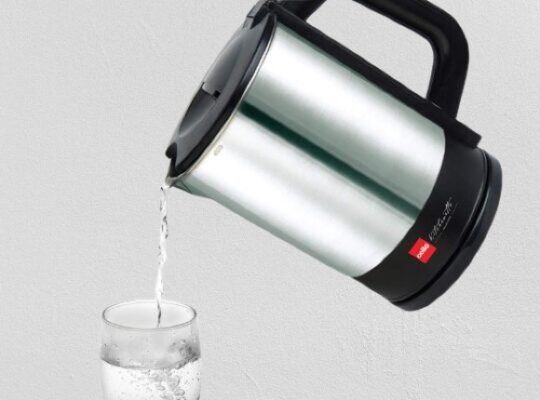
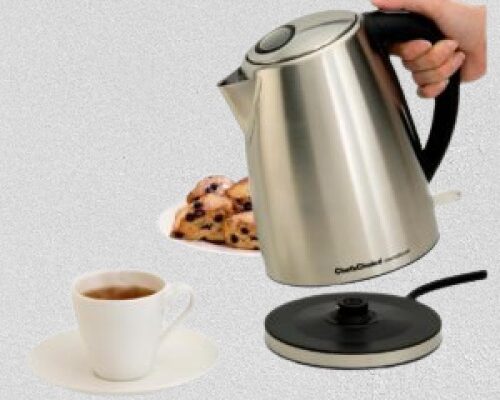
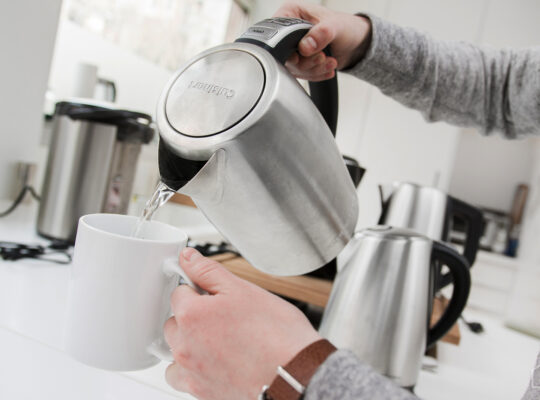
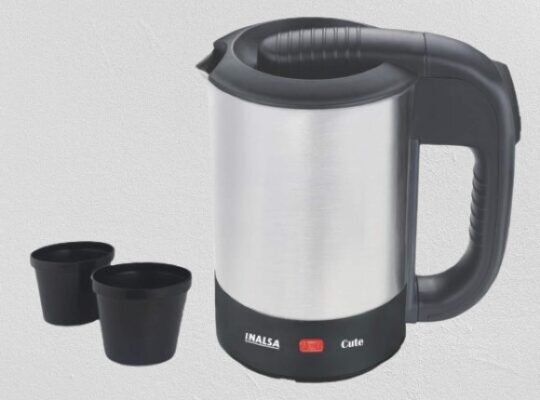
If you travel in India, you’ll want a compact electric kettle that’s safe, reliable and compatible with local power and plugs. Check certifications, automatic shut-off and boil-dry protection, and whether it handles 230V or 100–240V. Know the rules for hotels, trains, cars and flights, and how to use adapters, inverters and vehicle kettles safely — the right details will save you trouble, but there are a few critical exceptions you must watch for.
Key Takeaways
- Verify kettle certifications (BIS/ISI, CE, UL or RoHS) and visible safety labels before use.
- Match voltage and plug type to India (230V, Type C/D/M) or use a proper fused adapter/converter.
- Prefer compact 300–1000 ml kettles with boil‑dry protection and automatic shut‑off for travel safety.
- Never use personal kettles on trains or flights; follow railway and airline prohibitions and staff services.
- In cars or hotels, place on a stable heat‑resistant surface, use a rated inverter/adapter, and never leave unattended.
Safety and Certification: What to Look For
How do you know a travel kettle is safe to use in India? Check for certified markings: BIS (ISI), CE, UL or RoHS depending on where the kettle was made and sold. You’ll want documentation or a visible label confirming compliance; if it’s missing, don’t assume it’s safe. Inspect construction: double-walled or well-insulated bodies, a grounded or double-insulated symbol (square within a square), and a secure locking lid. Look for automatic shut-off and boil-dry protection—these reduce fire and burn risk if you forget to turn it off or run it empty. Verify cord quality and strain relief; frayed or thin cords increase hazard. Prefer stainless steel heating elements over exposed coils. Check component temperatures and manufacturer guidance about continuous run time and ambient conditions. Finally, retain receipts and warranty info; reputable brands provide traceability and customer support if a safety issue arises. Also, clean kettles regularly to prevent limescale buildup, which can reduce heating efficiency and contaminate beverages.
Power, Voltage and Plug Compatibility Across India
Wondering whether your travel kettle will work everywhere in India? India uses 230V at 50Hz with predominantly Type C, D and M sockets. Before you pack, check your kettle’s voltage rating — it should state 220–240V or “100–240V” for true worldwide compatibility. If your kettle is single-voltage at 110–120V, don’t plug it in without a step-up converter; that risks damage and fire.
Plug shape matters: a three-pin Indian plug (Type D/M) is common in hotels; many newer properties accept Type C two-pin as well. Carry a compact, fused adapter that fits these types and offers a secure connection; avoid loose, improvised adapters. For use in cars or trains, use only kettles designed for 12V/24V DC or a certified inverter rated for continuous power above the kettle’s wattage. Always confirm local outlet condition before use and never leave the kettle unattended. Prioritize devices with overheat and boil-dry protection for safe operation. Electric kettles can also be used to boil eggs reliably when you follow timing and submersion guidelines for soft-boiled eggs.
Size, Capacity and Heating Speed for Travel
Looking for the right travel kettle size? You’ll want a balance between capacity and portability. For solo use, 300–500 ml is ideal—lightweight, quick to boil, and fits most hotel rooms or backpack pockets. For two people, aim for 700–1000 ml so you’re not boiling twice. Avoid oversized 1.5–2 L units unless you’re traveling by car and have stable storage.
Heating speed matters for safety and convenience. Small kettles with 2000–2400 W heat rapidly but check voltage and fusing; lower-power 600–1200 W units are safer on weak circuits but take longer. Look for kettles with clear boil times (e.g., 300 ml in 3–5 minutes) and reliable auto-shutoff and boil-dry protection. Choose compact designs with secure lids and narrow spouts to reduce splashes. Pick a model that packs neatly, has a protective case or sleeve, and lists tested safety features—those choices reduce risk and hassle when you’re on the move. Consider kettles with a 360-degree base for easy handling and convenience.
Rules for Trains, Flights and Railways
Where can you actually use a travel kettle on trains, planes and at stations? You’ll find strict limits. Indian Railways forbids cooking appliances in coaches; using a kettle in your berth or aisle is not allowed. Station platforms sometimes have water taps and authorized refreshment areas — you can fill a kettle there but not plug it into station power without permission. On long-distance trains with pantry cars, staff may heat water for you; don’t attempt to plug in or heat yourself.
Airlines prohibit personal heating appliances in cabin and checked baggage; portable kettles with heating elements are treated as electrical devices and often banned from checked luggage due to short-circuit/fire risk. Some airports have designated lounges or food courts where you can use boiling water services.
Always check the specific train operator, station rules and your airline’s cabin and baggage policies before travel. When in doubt, rely on station services or onboard staff to provide hot water safely. Tesora’s premium electric glass kettle offers a large capacity useful for office and group use.
Using a Kettle Safely in Hotels, Cars and Rentals
Train and airport rules limit where you can heat water, but hotels, cars and rentals give you more options — with responsibilities. In hotels, check the room’s power rating and use the supplied sockets or a single, properly fused adapter. Place the kettle on a stable, heat-resistant surface away from curtains, bedding and electronics. Don’t run the kettle unattended; unplug when finished and empty any remaining water to prevent leaks and stains.
In rental cars, avoid using kettles while driving. If stationary, use a vehicle inverter rated above the kettle’s wattage and connect directly to the battery or a properly fused cigarette-socket outlet. Keep the kettle secured against tipping and watch for fumes from inverters.
For rented homes and guesthouses, confirm no anti-boil rules or smoke-detector sensitivity to steam. Carry a small fire extinguisher or blanket and a plug adaptor with surge protection. Follow local electrical norms, respect property rules, and prioritize ventilation, secure placement and supervision at all times. Also, make sure you never operate the kettle when empty to avoid damage and overheating operate the kettle empty.
Frequently Asked Questions
Can I Use an Immersion Heater Instead of a Kettle on Trains?
No, you shouldn’t — immersion heaters are often banned on trains, risk burns, short circuits, and damage to carriage wiring. Use approved, insulated travel kettles or ask staff for hot water; prioritize safety and follow train rules.
How Do I Clean Limescale While Traveling Long-Term?
Use vinegar or citric acid: fill your kettle with a 1:1 vinegar-water mix or 1–2 tablespoons citric acid per liter, boil, let sit 20–30 minutes, rinse thoroughly, repeat if needed, and dry fully for safety.
Can I Boil Milk or Just Water in Travel Kettles?
You can boil milk in some travel kettles, but many aren’t designed for dairy; milk scorches, foams, overflows and leaves residue. Check the manual, use models with flat stainless interiors, clean thoroughly after, and supervise the boil.
Are Induction Kettles Usable in Indian Hotels?
No, you generally can’t use induction kettles in Indian hotel rooms unless the room provides an induction hob; most kettles need their own base. Check power type, socket compatibility, and hotel policy, and avoid improvised adapters for safety.
What Travel Insurance Covers Appliance Damage or Fire?
Most travel insurance policies don’t cover personal appliance damage or fire; you’ll need renter’s/homeowners or comprehensive travel plans with accidental damage, contents or gadget coverage. Check policy wording for fire, electrical faults, and exclusions before buying.