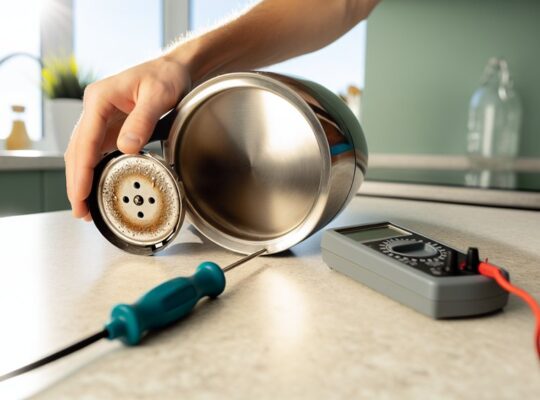
If you live where water’s mineral-heavy, you’ll want a kettle that stands up to limescale without constant repairs. Choose stainless interiors, concealed elements, and fine-mesh or removable filters; higher wattage and clear markings help too. Proper descaling and a wide mouth matter for longevity. Keep these basics in mind—now let’s look at specific models, maintenance tips, and which features really pay off over time.
Key Takeaways
- Choose stainless-steel or high-grade glass kettles with concealed heating elements to minimize limescale buildup and corrosion.
- Prefer models with removable fine-mesh limescale filters or magnetic scale collectors for easy cleaning and better-tasting drinks.
- Select kettles with wide mouths or detachable lids to simplify regular descaling with vinegar or citric acid.
- Ensure boil-dry protection, auto shut-off, and clear maintenance instructions for safety and predictable servicing in India.
- Prioritise brands offering good India service networks, transferable warranties, and available replacement filters or parts.
Why Hard Water Matters When Choosing an Electric Kettle
Ever wondered why your kettle scales up faster in some places? If you live in a hard-water area, you’re dealing with higher concentrations of calcium and magnesium dissolved in tap water. When you heat this water, those minerals precipitate as limescale on heating elements and inner surfaces. That scale reduces efficiency, prolongs boil times, increases energy use and can cause premature failure of heating coils or thermostats. You’re also more likely to get cloudy water or deposits in your cup, which isn’t pleasant and can trap bacteria if left unchecked. For safety, scale buildup can insulate elements and create hotspots that stress components, raising the risk of malfunction. Regular descaling helps, but choosing the right kettle and following maintenance schedules will minimize risk. Understanding how hard water affects performance and safety helps you pick and care for a kettle that lasts and keeps boiling water reliably without hidden hazards. Electric kettles often include automatic shut-off features that can help prevent overheating when scale interferes with heat sensing.
Key Features to Look for in Hard-Water-Friendly Kettles
Which features actually matter when you live in a hard-water area? You’ll want durable materials, easy descaling, and safety-first design. Choose kettles with stainless steel or high-grade glass interiors — they resist pitting and don’t trap minerals like some coatings do. A removable, fine-mesh limescale filter at the spout will catch deposits and protect your tea and appliance. Look for models with wide openings or a detachable lid so you can reach inside for routine descaling and cleaning.
Automatic shut-off and boil-dry protection are essential because scale can affect sensors; these features reduce fire and malfunction risk. Prefer exposed heating elements only if you’re confident in frequent cleaning; concealed elements are easier to maintain in hard water. Check for clear water-level markings to avoid overfilling and for dishwasher-safe parts if you want safer, thorough cleaning. Finally, choose a model with a warranty and accessible service network — that keeps repairs safe and simple. Regular descaling with a vinegar or citric-acid solution helps prevent heavy limescale buildup and preserves kettle efficiency.
Best Budget Stainless Steel Kettles for Mineral-Rich Water
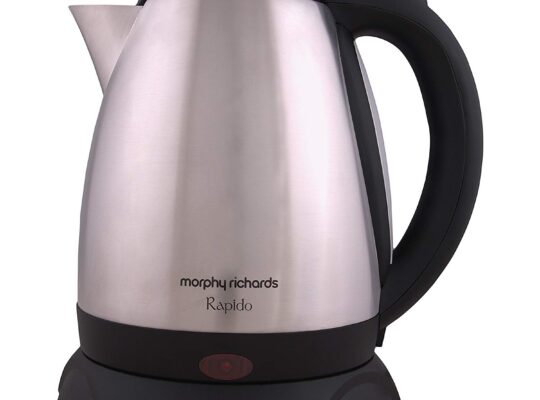
When you’re on a budget but dealing with mineral-rich water, stainless steel kettles give the best balance of durability, ease of cleaning, and value; look for 304/18/8 or higher-grade stainless interiors, concealed heating elements, and a removable limescale filter so maintenance stays simple and inexpensive. You’ll want a kettle with a tight-fitting lid, cool-touch handle, and automatic shut-off to keep boiling safe even if limescale builds. Choose models with a clear water-level indicator and a wide mouth for easy descaling with vinegar or citric acid. Avoid exposed coils that trap scale and are harder to clean. Check for a BPA-free plastic outer shell only if budget forces mixed materials. Capacity around 1–1.7 litres suits most households and reduces frequent refills. Warranty and readily available spare parts help long-term safety and value. For quick tasks like boiling water for instant noodles or beverages, choose a kettle with automatic shut-off to prevent unattended boiling.
Looking for a high-end kettle that actually keeps scale under control? You’ll want models that combine robust filtration, easy descaling, and safe materials. Premium kettles often feature removable micro-mesh filters, magnetic scale collectors, or proprietary anti-scale coatings inside the spout and chamber. Pick one with boil-dry protection, auto shut-off, and a cool-touch handle for safety. You should also check warranty and service availability in India.
| Feature | What to expect | Why it matters |
|---|---|---|
| Filter type | Stainless mesh or multilayer | Captures limescale before pouring |
| Anti-scale tech | Magnetic or coated interior | Reduces deposits on heating element |
| Safety features | Auto shut-off, boil-dry | Prevents overheating and hazards |
| Maintenance | Removable parts, descaling mode | Makes cleaning simple and safe |
Choose a model with clear maintenance instructions and replaceable filters. Regular descaling with vinegar or citric acid helps prevent buildup and prolongs kettle life.
Glass and Ceramic Options: Coatings and Care for Hard Water
If you’re considering glass or ceramic kettles in hard water areas, pay attention to protective coatings on glass and the quality of ceramic glazes, as both affect stain resistance and longevity. Good coatings reduce visible scaling and make cleaning easier, while durable glazes resist crazing and mineral etching over time. Regular descaling with vinegar or mild citric acid and gentle scrubbing will keep either type performing well without damaging finishes. Descaling every few weeks helps prevent mineral buildup and keeps the kettle efficient.
Glass Kettle Coatings
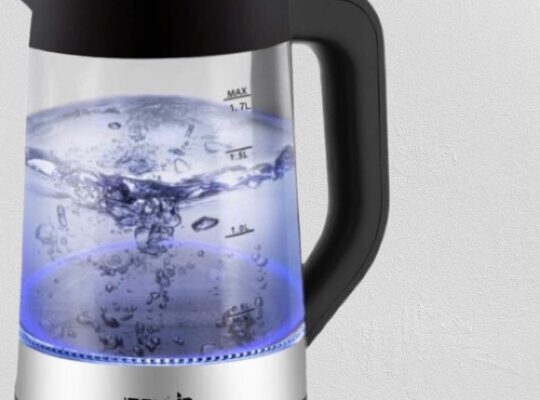
Some people prefer glass kettles for their clean look, but in hard-water areas you’ll want to focus on coatings and care that limit limescale buildup and protect the glass. You should choose borosilicate glass or inner coatings that resist etching; these reduce micro-cracks and make cleaning safer. Look for kettles with clear, food-safe silicone seals and stainless steel rims to avoid corrosion where scale collects. Descale regularly with mild citric acid or vinegar; never use abrasive pads that can scratch protective surfaces. Rinse thoroughly after descaling and dry the kettle to prevent mineral stains. Replace damaged seals promptly to maintain safety.
| Feature | What to check |
|---|---|
| Glass type | Borosilicate recommended |
| Coating | Food-safe, non-reactive |
| Seals | Silicone, intact |
| Cleaning | Mild acids, no abrasives |
Ceramic Glaze Durability
Because ceramic glazes vary widely in composition and hardness, they’ll perform very differently in hard-water areas — and that matters for both longevity and safety. You should look for high-fired, vitrified glazes that resist micro-pitting from mineral abrasion; these stay smoother longer, limit limescale adhesion, and reduce bacterial harborage. Avoid low-temperature or matte glazes that can craze or chip when exposed to repeated thermal cycling and mineral deposits. Inspect interior coating thickness and any manufacturer test claims about scratch, impact, and thermal-shock resistance. If a glaze shows hairline cracks, micro-chips, or dulling early, it’s a safety concern because exposed substrate can leach and harbor deposits. Choose certified, food-safe glazes and prefer models with replaceable liners or warranty coverage for glazing failures.
Descaling and Maintenance
How often should you descale glass or ceramic kettles in hard-water areas? You should descale every 2–4 weeks depending on scale buildup; inspect after each use for white residue. Use gentle, food-safe methods to protect coatings and avoid scratches that trap mineral deposits.
- Use a 1:1 white vinegar–water solution or citric acid soak for 15–30 minutes, then rinse thoroughly to remove taste and acid.
- For stubborn scale, repeat soaks rather than scrubbing; use a soft cloth or silicone brush to avoid damaging glaze or coating.
- Don’t use steel wool, bleach, or abrasive cleaners; they’ll remove protective coatings and create safety hazards.
- Dry completely after cleaning to prevent moisture marks and new mineral buildup; store lid off if possible.
Models With Concealed Heating Elements and Easy Descaling
If you’re in a hard-water area, kettles with concealed heating elements cut down on scale buildup and are easier to keep hygienic. They also make descaling faster and more effective, since there are no exposed coils that trap mineral deposits. Look for models with wide mouths and removable limescale filters so you can descale with vinegar or citric acid without hassle. Many stainless steel kettles like the Wipro Vesta offer triple protection and cool-touch exteriors that make maintenance and safe handling easier.
Concealed-Element Benefits
Want a kettle that stays cleaner longer and’s easier to maintain in hard-water areas? A concealed heating element reduces limescale buildup on exposed coils, so you’ll get more consistent heating and fewer hot spots that can shorten the kettle’s life. You’ll also lower the risk of chipping or trapping mineral deposits that affect safety and performance. Pick models with smooth, stainless interiors and accessible spouts so you can inspect and rinse without touching the element.
- Less visible scale accumulation, so cleaning is safer and more effective
- Even heat distribution, reducing overheating risks and noise
- Fewer sharp edges or crevices where deposits hide, improving hygiene
- Longer component lifespan, giving better value and reliability
Descaling Made Simple
Don’t let limescale sneak up on your kettle — choosing a model with a concealed heating element and easy-access design makes descaling straightforward and quick. You’ll reduce buildup, protect heating efficiency, and lower scald risk by following simple, safe descaling steps. Look for wide mouths, removable filters, and clear manufacturer instructions so you can use vinegar or citric acid safely. Regular short descales prevent thick deposits that trap heat and damage seals.
| Feature | Benefit |
|---|---|
| Concealed element | No exposed coils to trap scale |
| Wide mouth | Easier reach for scrubbing/rinse |
| Removable filter | Simple cleaning, cleaner water |
| Clear instructions | Safe, correct descaling chemicals |
| Indicator light | Reminds you to descale on schedule |
Descale gently, rinse thoroughly, and unplug before you start.
Filters, Mesh Screens, and Removable Limescale Traps
How often do you notice chalky flakes in your cup? If you live in a hard-water area, choosing a kettle with good filtration and removable limescale components protects both your drink and appliance. You’ll want a fine mesh screen at the spout to catch particles, and a removable limescale trap or collector that’s easy to pull out and rinse. These parts reduce sediment in your cup, lower clogging risk, and simplify safe cleaning—no need to reach into hot crevices. Look for stainless-steel or food-grade plastic elements that resist corrosion and won’t shed fibres.
- Mesh screens with small apertures (under 1 mm) stop visible flakes
- Detachable traps that snap out without tools speed maintenance
- Filters rated for food contact avoid chemical contamination
- Clear access to parts reduces burns during cleaning
Prioritise designs with straightforward removal and simple rinsing to keep boiling water safe and kettle internals long-lasting. Regular descaling (monthly in hard-water areas) helps maintain heating efficiency and prevents limescale buildup limescale buildup.
Warranty, After-Sales Support, and Durability in Indian Conditions
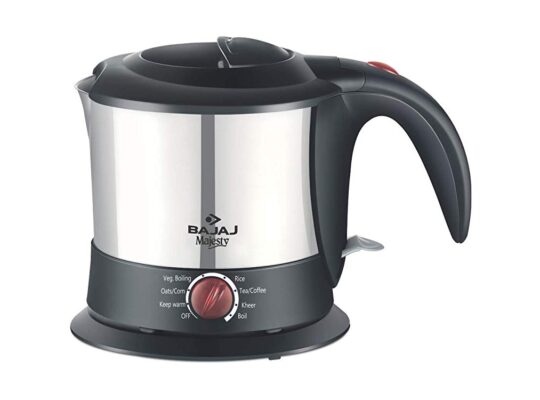
Check the warranty terms carefully so you know what parts and faults are covered and for how long, especially heating elements and electrical failures that hard water can accelerate. Confirm the brand’s service network reach in India — widespread authorized centers mean faster repairs and genuine spare parts. Comparing these specifics will help you choose a kettle that’s truly durable in local conditions. Brands like Prestige and Bajaj often have extensive service networks across India, making repairs and parts replacement easier for owners of kettles in hard water areas service networks.
Warranty Coverage Specifics
Why does warranty matter more in hard-water areas? You’ll face faster scale buildup and potential element damage, so check terms closely. A clear warranty protects you from premature failures and unsafe heating faults; don’t assume all coverage is equal.
- Coverage scope: confirm electrical components, heating element, and lid seals are included, not just the body.
- Exclusions to note: scale-related wear, misuse, and third-party repairs often void claims—know what counts as normal wear.
- Claim process: look for documented timelines, required proof (bill, photos), and whether inspection is mandatory.
- Warranty duration and transferability: longer, transferable warranties signal manufacturer confidence and give you safer long-term use.
Choose kettles with explicit, safety-minded warranty language.
Service Network Reach
Warranty details matter, but they only protect you if the manufacturer actually supports repairs and replacements where you live. You should check service center density in your city and nearby towns, and confirm authorized technician availability for kettle elements and switches—those fail first in hard-water conditions. Ask about onsite visits, turnaround time, and parts stock to avoid long downtime. Prioritize brands with nationwide networks and clear escalation channels; keep warranty papers and service contacts handy. Regular descaling and using filters extend durability, but reliable after-sales support keeps you safe.
| Service Aspect | What to check |
|---|---|
| Coverage Area | Local service centers, tier-2 towns |
| Response Time | Avg repair wait, onsite options |
| Parts Availability | Heating element, lid, base |
| Escalation | Customer care, authorized repair policy |
Descaling Methods and Maintenance Tips for Prolonged Kettle Life
Because mineral buildup shortens an electric kettle’s life and affects taste, you’ll want a simple, regular descaling routine that actually works in hard-water areas. Start by unplugging and cooling the kettle; never immerse the base. Use safe, food-grade descalers: white vinegar or citric acid diluted in water are effective and inexpensive. Fill to boil, let sit 30–60 minutes, then scrub gently with a soft brush and rinse thoroughly. Repeat monthly or more often if you see scale.
- Use 1 part white vinegar to 2-3 parts water, or 1-2 teaspoons citric acid per 500 ml.
- Avoid abrasive pads and harsh chemicals that damage heating elements and coatings.
- Rinse and boil fresh water twice after descaling to remove residues and odor.
- Wipe external surfaces and check the filter, spout, and lid for trapped deposits.
Keep a descaling log and follow manufacturer guidelines; timely maintenance preserves performance, safety, and taste. Boiling a vinegar or citric acid solution also helps loosen limescale deposits for easier removal.
Top Picks by Use Case: Daily Tea, Coffee, and Office Needs
Looking for the right kettle for your daily cuppa or office needs? You’ll want models that resist limescale, heat fast, and include safety features like auto-shutoff and boil-dry protection. For daily tea pick a stainless-steel kettle with a flat heating plate and removable filter — it handles mineral buildup and won’t flavor your tea. For coffee, choose one with precise temperature control and a rapid boil for consistent extraction. For office use prioritize capacity (1.5–2 L), cordless convenience, and durable construction for frequent use. Regular descaling and using filtered water will extend life and keep performance safe. Consider kettles with higher wattage for faster boiling and better performance high power.
| Use Case | Key Feature | Safety Benefit |
|---|---|---|
| Daily Tea | Removable filter | Less scale in cup |
| Coffee | Temp control | Better extraction, no overheating |
| Office | Large capacity | Fewer refills, auto-shutoff prevents dry boil |
Pick certified brands, follow descaling schedules, and inspect lids and cords regularly to keep users safe.
Frequently Asked Questions
Can I Use My Electric Kettle Outdoors During Monsoon Showers?
You shouldn’t use your electric kettle outdoors during monsoon showers; it’s unsafe. Water and electricity don’t mix, and exposed sockets or wet casing can cause shocks or damage. Use it indoors, dry, and on a stable surface.
Do Kettles Affect Mineral Content in Boiled Drinking Water?
Yes — kettles don’t remove dissolved minerals; they just concentrate them slightly as water evaporates. You’ll still get calcium and magnesium, so descale regularly and consider filtered water if you’re concerned about hardness or deposits.
Are Induction Stovetop Kettles Better for Hard Water Than Electric?
Yes — induction stovetop kettles can be better for hard water because you’ll get simpler descaling, thicker metals resist spotting, and you’ll avoid concealed heating elements; still descale regularly and use filtered water for safest results.
Can Distilled or RO Water Damage Electric Kettles?
No, distilled or RO water won’t damage your electric kettle; they reduce scale buildup and can actually prolong element life. You’ll still need regular cleaning to remove any residues and maintain seals and heating efficiency.
How Does Altitude Affect Boiling Performance of Kettles in India?
At higher altitudes you’ll see lower boiling points, so kettles boil faster but at lower temperature; you should expect longer heating times for the same doneness, and ensure auto-shutoff and cookware ratings suit reduced-pressure conditions.