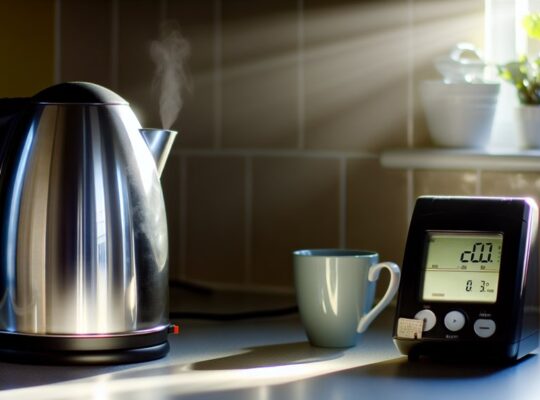
You’re choosing an electric kettle and need to weigh trade-offs beyond looks. You’ll want to compare materials, safety certifications, heating speed, flavor neutrality, ease of cleaning, and long-term durability. Each option has clear pros and hidden cons that affect daily use and maintenance. Keep these factors in mind as you decide — the right choice depends on how you prioritize taste, convenience, and longevity.
Key Takeaways
- Glass kettles show limescale and water level clearly, making timely descaling easier and preserving taste when rinsed regularly.
- Stainless-steel kettles offer superior durability, heat retention, and faster boiling for heavy daily use or busy kitchens.
- Choose 18/8 or 18/10 stainless steel and food-grade certification to minimize nickel exposure and ensure safety.
- Prefer concealed heating elements, automatic shut-off, boil-dry protection, BPA-free parts, and UL/CE markings regardless of material.
- Factor cleaning access (wide mouth), insulation for hot exteriors, capacity to match use, and warranty when deciding between materials.
What to Consider Before Choosing: Materials, Safety, Taste and Daily Use
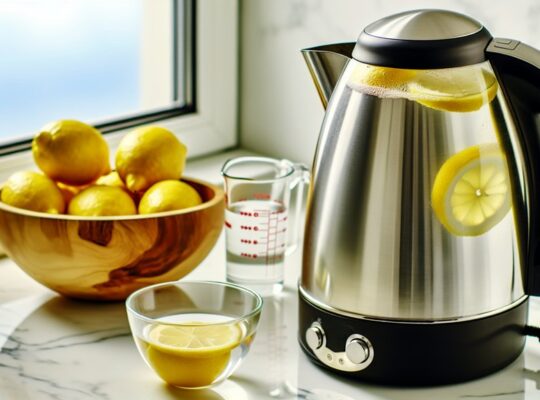
Wondering which kettle material suits your routine? You’ll want to assess material properties, safety, taste impact and daily habits before deciding. Glass gives visual clarity so you can spot limescale and avoid overheating; it’s inert, so it won’t leach flavors if you rinse and descale regularly. Stainless steel is durable and resists chips; choose 18/8 or 18/10 grades to minimize nickel exposure and look for food-grade certification. Consider heat transfer and surface temperature—metal exteriors get hot faster, so you’ll need insulated handles or a cooling period. Think about how often you’ll boil hard water: frequent scale build-up affects both safety perception and flavor, and visibility matters if you don’t want hidden deposits. Evaluate cleaning access—wide mouths let you scrub, tight spouts don’t. Finally, match capacity to typical pours to avoid repeated heating. Prioritize clear labeling, BPA-free plastics in lids or bases, and manufacturer safety testing for peace of mind. For long-term performance and safety, also factor in the kettle’s automatic shut-off feature when comparing models.
Practical Comparison: Performance, Maintenance, Longevity and Buying Tips
How do glass and stainless steel kettles stack up in everyday use? You’ll find glass gives visual clarity—easy to see scale and water level—so you can descale promptly and avoid mineral buildup affecting safety or taste. Glass heats evenly but loses heat faster and can be heavier when filled; choose borosilicate and a protective base to reduce breakage risk.
Stainless steel excels in durability, heat retention, and rapid boiling; it resists impact and hides minor stains, lowering maintenance frequency. Food-grade 18/8 or 18/10 steel is best to minimize leaching and metallic taste. Both need regular descaling (vinegar or citric acid) and rinsing; avoid abrasive cleaners on glass or polished steel.
For longevity, pick stainless steel for rough kitchens and glass if you prioritize monitoring water condition. Buying tips: check warranty, element type (concealed for easier cleaning), boil-dry protection, lid seal quality, and certified safety markings (UL/CE). Many good options also offer features like a concealed heating element that make cleaning easier and improve safety.
Frequently Asked Questions
Are Glass Kettles Safe for Induction Cooktops?
No — glass kettles aren’t inherently safe for induction cooktops because induction needs magnetic bases. You’ll need a specially designed glass kettle with a ferromagnetic plate. Verify manufacturer specs and induction compatibility before use.
Do Either Material Affect Bpa-Free Plastic Lids?
Yes — neither glass nor stainless steel will make BPA-free plastic lids release BPA; they’re inert relative to BPA. Still, you’ll want lids labeled BPA-free, avoid high heat warping, and replace any cracked or discolored plastic promptly.
Can Either Kettle Be Used for Brewing Tea Directly?
Yes — you can brew tea directly in both, but glass preserves flavor and lets you watch infusion; stainless steel’s heat retention’s better but can impart metallic notes. Ensure clean surfaces, avoid overboiling, and use food-safe lids.
Which Kettle Type Is Better for Hard-Water Areas?
Stainless steel’s better in hard-water areas: you’ll get less visible scaling, easier descaling, and greater durability. You’ll still need routine limescale removal and water filtration to protect heating elements and assure safe, efficient performance.
Do Warranties Differ by Material and Brand?
Yes — warranties vary by material and brand. You’ll find stainless models often carry longer, sturdier coverage; glass ones may have shorter or limited warranties. Always read terms for coverage of heating elements, glass breakage, and corrosion.