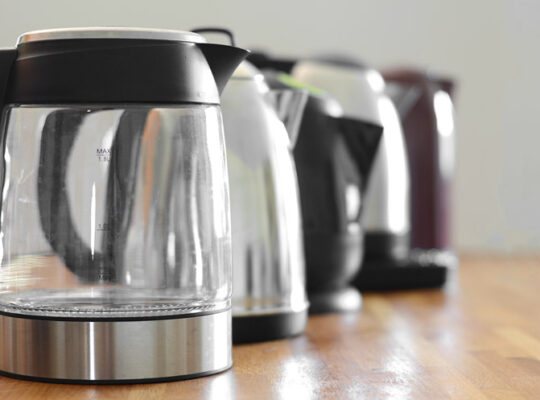
If you use tap water, you’ve probably noticed white flakes or a crust forming inside your kettle. Those are mineral deposits from hard water, and they cut efficiency, change taste, and can clog elements over time. You can prevent most buildup with a few simple habits and occasional descaling, and there are also filters and treatments that help — keep going to learn practical steps that actually work.
Key Takeaways
- Empty and rinse the kettle after each use and leave the lid open to air-dry, preventing mineral concentration and deposits.
- Use filtered, bottled, or distilled water for boiling to significantly reduce calcium and magnesium entering the kettle.
- Descale monthly with a vinegar or citric acid solution: boil, soak 15–30 minutes, then rinse thoroughly.
- Wipe interior and removable filters regularly with a soft cloth or brush to remove loose flakes before they harden.
- Consider a point-of-use filter, water softener, or higher-capacity kettle to reduce frequent boils and long-term scale buildup.
What Causes White Deposits and Scale Inside Kettles
Why do white flakes form inside your kettle? You’re seeing mineral residues—mainly calcium and magnesium salts—left behind when hard water boils. As water heats, dissolved minerals precipitate out and cling to the kettle’s interior as flakes or crust. Repeated heating concentrates minerals faster, so deposits grow over time. You might also notice softer, powdery residue if water cools quickly; tougher, crusty layers form with prolonged exposure and higher mineral content. Corrosion isn’t usually the cause, but deposits can hide early rust or discoloration, so inspect the surface regularly. If you use filtered or softened water, you’ll reduce buildup because fewer minerals are present to precipitate. Emptying the kettle after use and drying it helps limit residue by reducing standing water that deposits minerals as it evaporates. Knowing what causes these white flakes lets you take simple steps to keep your kettle clean and safe to use. Regular descaling every 1-3 months with white vinegar is an effective preventive measure.
How Scale Affects Kettle Performance and Safety
Scale buildup makes your kettle work harder by insulating the heating element, so it takes longer and uses more energy to boil. Over time that extra strain can shorten the appliance’s lifespan and lead to costly repairs or replacement. Left unchecked, scale can also flake off into your water and create contamination or safety risks like element overheating. Regular descaling with vinegar or lemon helps remove mineral deposits and maintain efficient, safe operation.
Reduced Heating Efficiency
Wondering why your kettle takes longer to boil or seems to use more electricity? Scale forms an insulating layer on heating elements and the kettle base, forcing the element to run longer and draw more power to reach the same temperature. You’ll notice slower boil times, higher energy use, and water that cools faster after boiling. That inefficiency can also cause the element to overwork, increasing the chance of overheating or automatic shutoff failure. To stay safe and efficient, descale regularly using manufacturer-approved methods, avoid heating with excessive scale, and keep the kettle interior clean. If you detect burning smells, unusual noises, or erratic shutoff behavior, unplug the kettle and inspect or service it before further use to reduce risk.
Shortened Appliance Lifespan
How long do you expect your kettle to last when mineral deposits are steadily coating its core components? Scale shortens lifespan by forcing the heating element to work harder, causing overheating, warping, or element failure. You’ll notice more frequent breakdowns, loss of boil performance, and sometimes a constant hum or longer run times. Replacing parts or the whole appliance sooner becomes likely, increasing cost and waste. To extend life, descale regularly with recommended solutions, flush thoroughly, and use filtered water if possible. Check seals, lids, and element surfaces for buildup during cleaning. Regular maintenance keeps components cooler and functioning as intended, so your kettle stays reliable and safer to use longer without unexpected failures.
Safety and Contamination Risks
When your kettle’s heating element and seals are clogged with mineral buildup, it’s not just lifespan that suffers — there are real safety and contamination risks you should know about. Scale reduces heat transfer, making the element overheat and potentially trip safety cutouts or fail, which can cause burning smells, smoking, or in rare cases wiring damage. Loose flakes of limescale can enter your water, affecting taste and leaving gritty residue on cups. Bacteria and biofilms can also colonize rough, scaled surfaces if water sits, raising contamination risk. You should descale regularly, rinse thoroughly, and replace gaskets or elements showing damage. If you notice unusual noises, smells, or repeated automatic shutoffs, stop using the kettle and inspect or service it immediately.
Identifying Hard Water in Your Home
You can spot hard water by looking for mineral deposits on faucets, inside your kettle, and around showerheads. Try the soap-lather test—if your soap won’t suds up easily, minerals are likely interfering. For a definitive answer, use a home water hardness test strip or send a sample to your local lab. Regular descaling of appliances like kettles helps remove mineral buildup and maintain efficiency.
Signs of Mineral Deposits
White crust around your kettle spout or a cloudy film on glassware are common, easy-to-spot signs that your water’s high in minerals. You’ll also notice white flakes inside the kettle, streaks on faucets, or a powdery residue on dishes after drying. Mineral buildup can reduce heating efficiency and may shorten appliance life, so check the heating element or base for crusty deposits and discoloration. In sinks, hard water often leaves a scummy ring where water pools. Pay attention to reduced water flow from showerheads and faucets clogged with mineral particles. If you spot any of these signs, treat appliances and surfaces carefully—de-scale with manufacturer-approved methods and wear gloves and eye protection when handling cleaning solutions to avoid irritation or damage.
Soap Lather Test
Curious whether your home’s water is hard? Try a simple soap lather test you can do safely at home. Fill a clean bottle about three-quarters full with tap water, add a few drops of liquid dish soap (not detergent), cap it, and shake vigorously for 10–15 seconds. If the water produces a rich, lasting lather, your water’s likely soft. If you see few suds and cloudy, milky water or soap scum forms on the sides, that’s a sign of hardness from dissolved minerals. Repeat in different taps to check consistency. The test isn’t quantitative, but it’s a quick, low-risk indicator that you may need to consider measures—like descaling kettles more often or installing treatment—to protect appliances and reduce buildup.
Water Hardness Testing
A simple soap-lather test gives a quick hint, but if you want to know exactly how hard your water is you’ll need more reliable methods. Start with a home test strip kit—dip, wait, and compare colors to ppm or grains per gallon; it’s cheap, safe, and gives a clear range. For precise results, send a sample to a certified lab; they’ll report calcium and magnesium levels and recommend actions. Check your utility’s water quality report online for annual hardness data if you’re on municipal supply. If you have a private well, test yearly or after plumbing work. Knowing hardness helps you choose descaling intervals, water softeners, or filters, protecting your kettle and reducing safety risks from scale-clogged heating elements.
Simple Daily Habits to Minimize Scale
Want to cut down on scale without extra work? Rinse and empty your kettle after each use; standing water lets minerals settle and harden. Wipe the heating element and interior with a soft cloth while the kettle’s cool to remove thin films before they build up. Use only the amount of water you need—smaller boils limit mineral concentration and reduce deposits. If your kettle has a removable filter or spout screen, rinse it daily to prevent trapped particles from accumulating. Fill from a stable, clean tap; avoiding intermittent sources (like garden hoses) reduces contamination. Let the kettle air-dry with the lid open between uses to discourage residue clinging. Consider low-temperature boils for drinks that don’t require full rolling water—gentler heating leaves fewer minerals behind. Keep a small log or simple reminder on your kettle for these habits until they become routine. Also, place the kettle on a stable, heat-resistant surface away from edges and heat sources to ensure safe operation and reduce the risk of spills stable surface.
Effective Home Remedies for Descaling
You can remove most kettle scale at home with simple ingredients like white vinegar and baking soda. Fill the kettle partway with a 1:1 vinegar-and-water mix, heat or leave to soak, then rinse thoroughly. For stubborn patches, make a paste of baking soda and water and gently scrub with a soft brush. Regular descaling (about once a month) helps maintain heating efficiency and prevents limescale buildup.
Vinegar and Water Soak
Looking for a simple, effective way to remove limescale from your electric kettle? Mix equal parts white vinegar and water, fill the kettle halfway, and bring it to a near-boil. Turn it off and let the solution soak for 20–30 minutes to dissolve deposits. After soaking, pour out the mixture and rinse the kettle thoroughly. Refill with clean water, boil once, discard, and repeat rinsing until the vinegar smell is gone. For safety, unplug the kettle before handling, avoid immersing the base, and never let vinegar contact electrical components. Use gloves if you have sensitive skin and ventilate the area. Repeat this descaling every 1–3 months depending on water hardness to keep the kettle safe and efficient.
Baking Soda Scrub
How does baking soda tackle kettle scale so effectively? You’ll mix a tablespoon with a little water to form a paste, apply it to cooled interior surfaces, and gently scrub with a soft brush or cloth. Baking soda’s mild abrasiveness loosens deposits without scratching; it’s non-toxic and safe if rinsed thoroughly.
| Step | Action |
|---|---|
| Mix | 1 tbsp baking soda + splash water |
| Apply | Spread paste on scaled areas |
| Scrub | Use soft brush, gentle strokes |
| Rinse | Flush thoroughly, boil and discard once |
Wear gloves if you have sensitive skin. Don’t use metal pads or harsh chemicals afterward. Repeat monthly or when you spot buildup. Always rinse well and perform one full boil-and-discard cycle before regular use.
Commercial Descalers: What to Look For
What features should you prioritize when choosing a commercial descaler for kettles and other small appliances? First, pick a product labeled safe for food-contact surfaces and small electric heating elements to avoid corrosion or residues. Look for clear dilution and dwell-time instructions so you can use the correct concentration and avoid overheating or damaging components. Prefer descalers with neutral or mildly acidic pH rather than strong acids; they’re effective on limescale but less likely to etch metal or harm seals. Check compatibility lists—stainless steel, aluminum, and plastic—so you don’t void warranties. Choose biodegradable formulas and minimal fumes to protect indoor air quality; if strong odors are present, plan ventilation and gloves. Confirm the manufacturer provides safety data sheets (SDS) and follow PPE recommendations. Finally, buy from reputable brands with good reviews and available customer support; that ensures you’ll get guidance if a product reacts unexpectedly with your appliance. Also consider products formulated to prevent rapid scale buildup after treatment, extending the period between descaling.
Preventative Accessories and Water Treatment Options
Want to keep kettles and small appliances scale-free without constant scrubbing? You can use a few simple accessories and water-treatment choices to cut down buildup and protect safety. Fit a magnetic or electronic water conditioner in your supply line to reduce mineral adhesion—these are low-maintenance and won’t add chemicals, though effectiveness varies. Install a point-of-use carbon or sediment filter to catch particulates before they reach the kettle; replace cartridges on schedule. Consider a compact water softener if your home’s hardness is high; it prevents scale broadly but needs salt handling and periodic maintenance. Use distilled or demineralized water for appliances used only for boiling to avoid deposits entirely, especially if you don’t want a softener. Test your water hardness first so you pick the right option. Whatever you choose, follow manufacturer guidance, replace parts when recommended, and keep treatments contained and properly installed to maintain appliance safety and reliable operation. Also keep travel and transport considerations in mind when taking small appliances on trips, since airline regulations and security screening rules can affect whether and how you carry them.
Safe Cleaning Techniques for Different Kettle Materials
Curious about the safest way to clean your kettle without damaging its finish or heating element? You’ll want gentle, material-specific techniques: white vinegar or citric acid for descaling stainless steel and glass, and mild baking soda paste for removing stains on painted or coated exteriors. Always unplug, cool, and empty the kettle before cleaning. Don’t submerge electric bases or let water contact exposed elements.
| Material | Safe cleaner | What to avoid |
|---|---|---|
| Stainless steel | 1–2 tbsp vinegar + water, boil, rinse | Abrasive pads |
| Glass | Citric acid soak, rinse | Sudden temperature shock |
| Coated/painted | Soft cloth, mild dish soap | Harsh solvents or scourers |
After descaling, rinse thoroughly and boil fresh water once to remove residues. For limescale flakes, use a soft brush; never use metal scrapers. If you’re cautious and follow these steps, you’ll preserve performance and finish while keeping use safe. Electric kettles are generally more energy-efficient than stovetop kettles, which can help reduce energy use over time.
When to Replace Your Kettle Because of Scale Damage
When should you stop trying to descale and just replace the kettle? If scale is repeatedly returning despite proper descaling, that’s a sign. Also replace it if scale has caused pitting, flaking, or a rough interior surface you can’t smooth — those harbor bacteria and can contaminate water. Electrical issues linked to scale, like uneven heating, longer boil times, visible scorch marks, or the element becoming exposed, are safety hazards; stop using the kettle and replace it. If the lid, spout, seals, or switches are damaged by mineral buildup and can’t be repaired, replacement is safer than continued use. For plastic kettles, deep staining, cracks, or persistent odor after cleaning indicate material degradation. If you’re unsure, have a qualified technician inspect any suspected electrical damage; don’t attempt internal repairs yourself. Prioritize safety: replacing a compromised kettle is usually cheaper and safer than risking malfunction or contamination. Also consider replacing it with a model that has a stainless steel body to reduce staining and ease descaling.
Long-Term Maintenance Routine to Keep Scale Under Control
How often should you give your kettle some attention to keep scale from returning? Aim for a quick check and rinse after every few uses, a monthly descaling if your water’s hard, and a deeper clean every three months. Rinse and wipe: after each boiling, pour out remaining water, lift the lid, and wipe the interior and spout with a soft cloth to remove loose deposits. Filter and refill: use filtered or bottled water when possible to reduce mineral buildup. Monthly descaling: run a vinegar or citric acid solution (follow manufacturer guidance), boil, let sit 15–30 minutes, then rinse thoroughly until any odor is gone. Quarterly inspection: check the heating element, base, and seals for stubborn scale or damage; replace parts if cracked or heavily pitted. Safety tips: always unplug before cleaning, never immerse the base, and allow the kettle to cool. Keeping this routine will extend performance and reduce safety risks from scale. For larger households, consider an appliance with a higher capacity like the 1.8 litres Wipro Vesta to reduce the number of daily boils.
Frequently Asked Questions
Can White Deposits Affect the Taste of Other Beverages Made in the Kettle?
Yes — you’ll likely notice a slight mineral taste if deposits build up, especially in delicate drinks like tea or coffee. Clean and descale regularly to keep flavors pure, and avoid safety risks from heavy scaling.
Can Scale Buildup Increase Electricity Consumption Noticeably?
Yes — scale makes your kettle less efficient, so it can draw noticeably more power over time. You’ll want to descale regularly, use filtered water, and unplug before cleaning to reduce fire and shock risks.
Are There Health Risks From Drinking Water Boiled in a Scaled Kettle?
Generally, no — you won’t face major health risks from occasional drinking water boiled in a scaled kettle, but heavy scale can harbor minerals or bacteria; you should descale regularly and avoid visibly contaminated or rusty kettles.
Can Using Distilled Water Harm the Kettle’s Heating Element?
No, using distilled water won’t harm the kettle’s heating element; it reduces scale buildup and improves efficiency. Just remember distilled water can corrode some metals over long periods, so rinse and dry the kettle occasionally.
Will Leaving the Kettle Lid Open Prevent Scale Formation?
No, leaving the lid open won’t prevent scale; it just lets water cool and evaporate faster. You’ll still get mineral buildup. Descale regularly, use filtered or softened water, and dry the kettle after emptying.