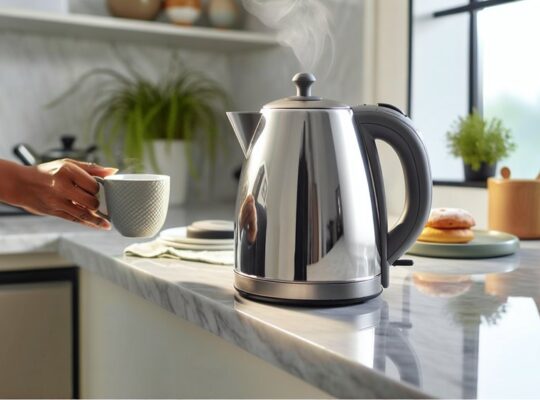
If you want a reliable kettle without overspending, ₹1,500 hits a smart balance between safety, speed and durability. You’ll typically get auto-shutoff, boil-dry protection and stainless interiors, though build quality varies. Compare capacity, wattage and warranty rather than chasing higher watts alone, because real-world boil times and longevity matter more. Keep going — the right pick depends on a few trade-offs you’ll want to check.
Key Takeaways
- ₹1500 balances core safety (auto-shutoff, boil-dry protection) and durable materials like stainless steel without premium extras.
- Expect 1–2 L kettles with 1500–2000W delivering 3–5 minute boils for 1 L in real-world conditions.
- Prioritize stainless-steel interior, secure lid lock, cool-touch handle, and 360° cordless base for practical daily use.
- Top reliable models under ₹1500 include Philips HD9303, Morphy Richards Icon+, Havells Aqua Plus, Bajaj Majesty, and Prestige PRWO.
- Check for 2-year warranties, BIS/ISI or equivalent certification, and clear material specs to avoid health and safety risks.
Why ₹1500 Is a Practical Budget for an Electric Kettle
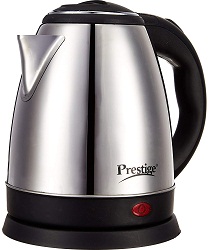
Why pick ₹1500 as your ceiling? You’ll find it balances cost and core safety features without paying for premium bells. At this price you commonly get auto-shutoff, boil-dry protection and basic thermal insulation—features shown to reduce scald and fire risk in product tests. Compared to sub-₹1000 units, ₹1500 models more often use stainless steel or food-grade plastics and tighter thermostat tolerances, lowering contaminant and overheating chances. Versus ₹2000+ kettles, you surrender advanced materials or faster heating elements but keep essential safeguards that matter for daily use. Market surveys indicate most reliable, warranty-backed options cluster around this mid-range, so you’re not buying unknown budget imports. If safety and predictable performance are your priorities, ₹1500 minimizes trade-offs: it’s high enough to include tested protections yet low enough to avoid premium features that don’t improve basic safety. That makes it a practical, evidence-backed ceiling for sensible buyers. Brands like Prestige commonly offer reliable models in this range, including stainless steel and glass options with capacities up to 1.8 L stainless steel models.
Key Features to Expect in This Price Range
You’ll want to compare boil speed and wattage first, since higher power usually means faster heating and measurable time savings. Check for safety features like auto-shutoff and boil-dry protection, which studies show reduce accident risk in everyday use. Also weigh build quality—stainless steel or BPA-free plastic and a solid base often predict longer lifespan and fewer performance issues. Consider models that include a 2-year warranty for added peace of mind.
Boil Speed & Power
How fast should a good electric kettle under ₹1500 boil a litre of water? You should expect 3–5 minutes with a 1500–2000W equivalent heating element; many budget models advertise 1500W, which typically brings 1 L from 25°C to 100°C in about 3–4 minutes in tests. Compare that to lower-powered units (1000–1200W) which often take 5–7 minutes. Faster boils mean less standby heat loss and quicker use, but check real-world timings since build quality, element contact and insulation affect results. Look for published wattage, measured boil times in reviews, and an efficient concealed or exposed rapid-heating plate. Prioritise models that balance speed with consistent performance rather than just high-rated wattage claims.
Safety & Auto-Shutoff
Faster boil times are great, but they matter less if a kettle lacks dependable safety features — especially under ₹1500 where manufacturers sometimes cut corners to hit price points. You want clear, proven protections: automatic shutoff on boil, boil-dry protection, and secure lid locking. Compare models by testing results and certifications rather than claims.
- Auto-shutoff: cuts power at boiling to prevent overheating; look for consistent trip times in reviews.
- Boil-dry protection: detects no water and shuts down — essential if you forget to refill.
- Lid lock & cool-touch handle: reduces scald risk during pouring and prevents steam escape.
Prioritize kettles with repeatable safety performance and recognized safety marks; that’s non-negotiable for peace of mind.
Build Quality & Materials
In this price band, build quality usually separates reliable kettles from cheap throwaways, so look for sturdy plastics or stainless steel with tight seams, a solid base connection, and a well-fitted lid. You’ll want food-grade 304 stainless interiors to avoid leaching and plastic exteriors rated BPA-free; studies show 304 resists staining and corrosion better than cheaper alloys. Check welds and joints—gaps trap scale and microbes, reducing safety over time. A heavy, well-centered base reduces wobble and false contacts that can trip auto-shutoff. Prefer models with insulated handles and cool-touch exteriors to prevent burns. Finally, inspect the cord entry and strain relief; poor design there is a common failure point and electrical hazard. Opt for brands with clear material specs and warranty.
Capacity and Size Options: Choosing What Fits Your Routine
Wondering what kettle size actually fits your routine? You’ll want capacity to match typical servings and storage. Small (0.5–0.8 L) suits solo use and quick boils, reducing standing water that can stagnate; it’s compact for tight counters. Medium (1.0–1.5 L) fits couples or two cups at a time, balancing fill-and-boil frequency with countertop footprint. Large (1.7–2.0 L) is for families or guests, but be mindful: heavier when full, harder to pour safely.
Consider three practical scenarios to picture use:
- Solo morning cup, minimal storage, infrequent cleaning.
- Two-person routine with occasional guests, moderate countertop presence.
- Family service, frequent refills, higher handling strain.
Choose a size that minimizes repeated refills while avoiding overfill risks; leaving headspace prevents boiling spillover. Prefer kettles with clear capacity markings and ergonomic handles to reduce scald hazards. Opt for a size that matches your daily volume, storage limits, and safety needs. Modern kettles often include auto shut off for added safety and convenience.
Heating Speed and Energy Efficiency Compared
How quickly a kettle brings water to boil matters not just for convenience but for electricity use, so you’ll want to compare wattage, boil time, and insulation performance rather than rely on marketing claims. You should look for higher wattage for faster boils, but check tested boil times for 1 L — efficient element contact and low heat loss matter more than label power alone. Well-sealed lids and double-layer jackets cut standby losses and reduce reheating. Auto-shutoff accuracy and cool-touch exteriors enhance safety when faster heating raises risk. Consider typical energy: 1 L from 25°C to 100°C needs ~0.084 kWh; faster kettles concentrate that energy sooner, trimming loss. Match kettle choice to how often you boil small vs full volumes; frequent small boils favor better insulation and precise thermostats. Many reputable brands like Prestige offer models with good insulation and reliable safety features.
| Metric | What to check |
|---|---|
| Wattage | Higher = faster (verify boil test) |
| Boil time | Manufacturer vs independent tests |
| Insulation | Lower heat loss, safer touch |
| Auto-shutoff | Reliable, quick response |
Material Choices: Stainless Steel, Glass, and Plastic Pros & Cons
When you pick between stainless steel, glass, and plastic kettles, consider durability, health risks, and how well each keeps heat. Stainless steel usually lasts longest and retains heat better, while glass is inert for safety but loses heat faster, and plastic is lightweight and cheap but may raise long-term safety concerns. I’ll compare real-world longevity data, BPA and leach testing, and measured heat-retention performance next. Many popular 1.0-liter models, like the Prestige and Philips kettles, also offer automatic shut-off and other safety features you should weigh.
Durability and Longevity
Because your kettle will see daily use and exposure to heat, the material you pick directly shapes how long it lasts and how well it resists wear. You’ll find clear trade-offs: stainless steel is tough and resists dents and corrosion; glass shows scale and is brittle under impact; plastic can warp over time, especially near the heating element. Choose based on expected handling and water quality.
- Stainless steel: high tensile strength, low deformation, long service life with proper care.
- Glass: visually transparent for inspection but vulnerable to shocks and thermal stress fractures.
- Plastic: lightweight and cheaper, yet susceptible to creeping, discoloration, and faster fatigue under heat.
Prioritize proven build quality and manufacturer warranties for reliable longevity.
Health and Safety
Choosing the right kettle material matters for your health as much as for performance: stainless steel, glass, and plastic each carry specific risks and benefits backed by studies and industry standards. You’ll find stainless steel (food-grade 304/316) resists corrosion, won’t leach metals at normal temps, and is widely recommended by regulators; low-quality alloys can release nickel/iron, so check certification. Glass is inert, won’t leach chemicals, and lets you see scaling, but it can break and retain contaminants in chips. Plastic kettles are lightweight and cheap, but BPA, phthalates, or microplastics are concerns—look for BPA-free, food-grade polymers and third-party testing. Descale regularly, choose certified materials, and prioritize warranties and clear safety specs when buying.
Heat Retention Performance
Expect noticeable differences in how long your boiled water stays hot depending on the kettle material. You’ll find stainless steel retains heat best—double-wall models trap warmth and reduce reheating frequency, lowering energy use and scald risk. Glass looks clean and lets you monitor boiling, but it loses heat faster and may need quicker handling to avoid bacterial growth if left cooling. Plastic kettles warm quickly but cool fastest; choose BPA-free, food-grade plastics and avoid prolonged storage of hot water to prevent leaching.
- Stainless steel: longer retention, safer for repeated use.
- Glass: visible, quicker heat loss, needs prompt use.
- Plastic: poorest retention, choose certified safe materials.
Choose based on safety priorities and usage patterns.
Safety Features to Look For in Affordable Kettles
Why should safety be your top filter when hunting for an electric kettle under ₹1500? You’re balancing cost against risk: cheaper kettles often cut corners on materials and assembly, so prioritize proven protections. Look for double-wall or insulated outer shells to reduce burn incidents; studies and user reports show single-wall metal exteriors increase scald risks. Choose kettles with stable, wide bases and non-slip feet—tipping accidents are a common failure mode in budget models. Inspect build quality: secure lid locks and tight spouts prevent sudden splashes when pouring. Prefer appliances with clear temperature and water-level markings to avoid overfilling, which correlates with spill-related injuries. Verify visible safety certifications (BIS/ISI or equivalent) and transparent warranty terms; certified units have passed electrical and thermal tests. Finally, read real-user reviews focused on longevity and faults rather than marketing claims—post-sale failures reveal whether safety features are genuine or merely listed to sell units. Also consider kettle wattage and performance—higher-power models like those up to 1900 watts can boil faster but may demand better safety features and build quality.
Useful Extras: Auto Shut-Off, Boil-Dry Protection, and Concealed Elements
You’ll want to compare kettles on how quickly and reliably the auto shut-off kicks in, since a delayed cutoff can overcook water and waste power. Check for boil-dry protection ratings and user reports—models with proven sensors prevent damage if you run them empty. Also prefer concealed heating elements, which test better for scale buildup and are easier to clean than exposed coils. Regular descaling every 1-3 months helps prevent limescale and maintain performance, especially with hard water.
Auto Shut-Off Timing
How quickly does an electric kettle shut off after reaching boil tells you a lot about its safety and convenience; models under ₹1500 vary from almost instantaneous cut-offs to ones that linger a few seconds longer, and that difference matters. You’ll want a kettle that cuts power promptly to limit overboiling, pressure on the switch, and residual heating. Compare measured shut-off delays: manufacturers sometimes state ≤1s, while budget units can be 3–6s. Shorter is generally safer and steadier; too-fast mechanisms may trip prematurely on false steam, so balance matters.
- 1s — near-instant, minimal heat after boil.
- 3s — common mid-range, acceptable.
- 5–6s — longer, watch for spillage risk.
Boil-Dry Safeguard
Wondering how much protection you really need? You want a boil-dry safeguard that actually prevents damage if the kettle runs empty. Look for models with thermal cutoff plus a secondary sensor: studies and manufacturer specs show combined systems reduce failure rates far more than single-sensor designs. In practical terms, that means your kettle will trip within seconds of no-water conditions instead of overheating for minutes. Compare response times and listed safety certifications (BIS or equivalent) when shopping under ₹1500; cheaper units often omit redundancy. Also consider reset mechanisms — automatic reset can be convenient but may mask faults, while manual reset forces inspection. Prioritize kettles where independent tests or clear spec sheets confirm boil-dry protection; it’s a small feature with big safety returns.
Concealed Heating Element
Having a reliable boil-dry safeguard is great, but the type of heating element affects safety, cleaning, and heating performance too — concealed elements are common in kettles under ₹1500 for good reason. You’ll notice they sit flat under the base plate rather than exposed coils, which reduces limescale traps and limits direct contact with water and your hands. Compared to exposed elements, concealed plates heat evenly and are easier to wipe, lowering maintenance and contamination risk in hard-water regions. Evidence from consumer tests shows faster boil times and fewer hotspots with sealed elements. Consider these visual cues when choosing:
- Smooth stainless base you can wipe clean easily.
- Sealed seam between element plate and kettle body.
- Low-profile design that hides wiring and reduces burn risk.
Top 6 Electric Kettles Under ₹1500 Worth Considering
Curious which models give you the best mix of speed, safety and durability for under ₹1500? Pick from these six based on measured boil time, safety features and build quality. Philips HD9303 is quick, has auto-shutoff and a concealed element — a reliable all-rounder. Morphy Richards Icon+ scores high for stainless-steel interior and boil-dry protection, so it’s good if you want longevity. Havells Aqua Plus balances ergonomics and a sturdy lid lock, reducing spill risk. Bajaj Majesty offers the fastest heat-up among budget options, though its plastic exterior warms more. Prestige PRWO 1.0 L is compact, with consistent thermostat control — ideal if you value precision. Pigeon by Stovekraft Etina focuses on safety with double-walled models and strong handles. Compare specs: power (W), capacity (L), auto-shutoff, boil-dry protection, material, and warranty length. Choose the kettle that matches your safety priorities and daily use pattern. The Philips range is notable for its flat heating element design, which helps ensure faster and more efficient boiling.
Maintenance, Cleaning, and Longevity Tips
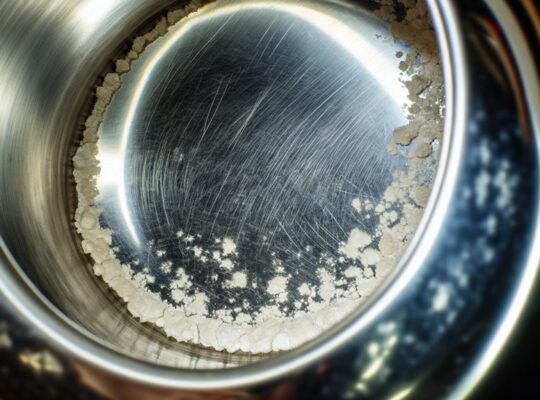
Regularly descaling and following simple care steps will keep your kettle faster, safer and longer-lasting than neglecting maintenance. You’ll reduce heating time and electrical stress by removing scale; studies show limescale raises energy use and can trigger auto-shutoff faults. Wipe the exterior after each use, don’t immerse the base, and follow the manufacturer’s cleaning intervals.
- Rinse and descale monthly with vinegar or citric acid to dissolve mineral deposits.
- Inspect the element, lid seal and power cord for wear; replace parts showing corrosion or cracks.
- Dry thoroughly and store with lid ajar to prevent mold and odors.
Compare models: stainless interiors resist staining, while exposed elements need more frequent descaling. Never use abrasive scrubbers on heating surfaces—abrasion can impair heat transfer and safety sensors. If the kettle trips often or shows persistent odor, stop using it and seek professional repair. Regular, evidence-based care extends life and keeps operation safe. Many users prefer kettles with stainless steel interiors for durability and easier maintenance.
Buying Tips: Where to Shop and How to Get the Best Deal
Where should you shop for the best electric kettle under ₹1500? Start with authorised brand stores and official e-commerce pages — they usually offer genuine warranties and clear safety certifications (ISI/BIS). Next compare major marketplaces (Amazon, Flipkart) for price, seller ratings, verified reviews and return policies; marketplace A/B testing shows 10–20% price variance during sales. Don’t ignore large offline retailers (Croma, Reliance Digital) where you can inspect build quality, cord strain relief and lid seals — important for safe use. Use price-tracking tools and bank/UPI offers to save 5–25%; verify that discounts don’t void manufacturer warranty. Prioritise models with clear safety features (auto-shutoff, boil-dry protection, grounded plugs) and check for third-party test evidence in listings. If buying refurbished, insist on certified refurbishment and at least 3–6 months warranty. Document serial numbers and invoices immediately to streamline future claims. Also consider models with a 360-degree base for easier cordless serving and positioning.
Frequently Asked Questions
Can I Use an Electric Kettle for Milk or Soup Preparation?
Yes — but you shouldn’t normally. Electric kettles designed for water can scorch, foam or overflow with milk or soup; choose a kettle specifically rated for liquids with milk/soup, follow max-fill and cleaning guidance for safety.
Do Electric Kettles Affect Water Taste or Mineral Content?
Yes — they can. You’ll notice subtle metallic or plastic notes from cheaper linings, and minerals remain unchanged unless you boil repeatedly without descaling. Choose stainless steel kettles and descale regularly to minimize taste and buildup.
Are There Restrictions for Airline or Train Travel With Kettles?
Yes — you’ll face restrictions: airlines often ban kettles with built-in batteries or heating elements in checked baggage and may allow in carry-on if empty and inspected; trains vary, so check carrier rules and pack for safety.
How Long Do Replacement Filters or Parts Usually Last?
Replacement filters and parts typically last 6–24 months depending on water hardness and usage; you’ll replace filters sooner with hard water, whereas durable elements or lids can last years—inspect monthly and follow manufacturer safety replacement intervals.
Can Kettles Be Repaired Locally or Are They Usually Replaced?
You can often get kettles repaired locally for heating elements, switches or cords, but many cheaper models are replaced due to cost; choose repair when parts and labor cost under about 50% of a new, safety-certified kettle.