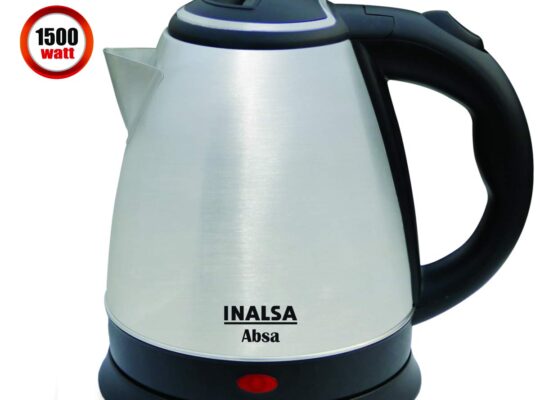
You can use an electric kettle for more than tea, but you’ll need to be selective and careful. Kettles heat water quickly and unevenly, so they’re fine for rehydrating noodles, instant soups, or boiling eggs if you monitor closely, but risky for milk-based sauces, starchy porridge, or foods that can scorch, foam, or clog the element. Keep safety, manufacturer guidance, and cleanup in mind — and consider which foods will actually turn out well before you start.
Key Takeaways
- Safe: rehydrate instant soups, noodles, and dehydrated meals by pouring boiling water into a heatproof bowl.
- Safe: boil water for tea, coffee, and quick blanching of vegetables (brief immersion only).
- Conditional: cook eggs carefully (soft/hard) using correct timing and ice bath; avoid cracked shells touching the element.
- Risky: cooking starchy or viscous foods (rice, porridge, pasta) can scorch, clog, or defeat auto shut-off.
- Dangerous: frying, deep-cooking, or using plastic pouches inside the kettle risks melting, contamination, and appliance damage.
How Electric Kettles Work and Why It Matters for Cooking
An electric kettle heats water quickly by passing current through a concealed or exposed heating element that converts electrical energy into heat, and that matters for cooking because the design, temperature control, and materials determine what you can safely put in it. You need to know whether the element is exposed (common in cheaper models) or concealed under a metal plate; exposed elements can accumulate scale, react with certain foods, and present a burn or electrical risk if submerged. Auto shut-off and boil-dry protection limit overheating, but they aren’t foolproof for viscous or starchy contents that raise boil points or trap steam. Interior materials—stainless steel, glass, or plastic—affect chemical leaching, heat distribution, and durability; choose food-grade options and avoid cracked or discolored linings. Finally, thermostat accuracy matters: inconsistent temperatures can leave foods partially cooked, creating microbial risks. Regular descaling helps prevent mineral buildup that compromises performance and safety.
Foods That Are Safe and Simple to Prepare
A single straightforward guideline will keep you safe: stick to foods that are basically water-based, low in solids, and quick to bring to a full boil. You can reliably rehydrate instant soups, cook small portions of pasta or noodles, and blanch vegetables briefly, provided you monitor water level and heating. Use clean containers, avoid overfilling, and unplug when done to prevent dry-boil damage. Foods with high starch or fat content can scorch or foam; don’t attempt those. For safety, prepare portions that fit easily and stir or shake gently after boiling to equalize temperature. If using a kettle while traveling, remember that many trains prohibit their use due to fire hazard and electrical-supply concerns.
| Safe Category | Typical Examples |
|---|---|
| Rehydration | Instant noodles, powdered soup |
| Simple boiling | Small pasta, couscous |
| Blanching/steaming | Broccoli florets, snap peas |
| Hot drinks/infusions | Tea, instant coffee, hot chocolate |
Follow manufacturer guidance; if the kettle’s manual forbids food, don’t improvise.
Eggs: Boiled, Poached, and Troubleshooting
You can cook eggs in a kettle, but the method and safety depend on whether you’re boiling in-shell or attempting poached-style eggs. Boiled eggs are straightforward if you control water temperature and avoid placing cracked shells directly on heating elements; poaching in a kettle is trickier and raises contamination and uneven-cooking risks. If you try either, expect to troubleshoot issues like undercooking, shell cracking, or cloudy water and take precautions to sanitize and monitor doneness. For reliable results, aim for proper timings and an ice bath to stop cooking, since soft and hard-boiled times vary by egg size and desired doneness.
Boiled Eggs in Kettle
Curious whether your electric kettle can double as an egg cooker? You can boil eggs in many kettles, but do so cautiously. Hard- and soft-boiled results depend on water volume, egg size, starting temperature, and kettle power; bring water to a full boil, add eggs gently (use a spoon), then remove from heat and let sit covered for 7–12 minutes: ~7–8 for soft, 9–12 for hard. Avoid crowding or rapid temperature shocks that can crack shells. Use a thermometer or timed routine rather than guessing. Note metallic contact and mineral buildup risks—rinse and descale regularly and don’t store eggs in the kettle. If your kettle’s manual warns against cooking food, follow the manufacturer’s guidance for safety.
Poaching and Troubleshooting
Having covered boiling, it’s worth looking at poaching and common egg problems when using an electric kettle. You can poach eggs by creating a gentle simmer and using a heatproof bowl or silicone cup to keep whites contained; this reduces contact with the kettle surface and lowers contamination risk. Crack eggs into the vessel, lower into near-boiling water, and time 3–5 minutes depending on desired doneness. Troubleshoot common issues: whites spreading means water was too turbulent or eggs were too cold—use lower heat and room-temperature eggs. Overcooking yields rubbery texture—shorten time. Shells cracking indicates rapid temperature change—warm the egg slightly before submerging. Always clean and descale the kettle after use to prevent bacterial or mineral buildup.
Instant Noodles, Soups, and Dehydrated Meals
You can cook instant noodles in a kettle if you control water temperature and stir to prevent clumping, but check package times because overcooking makes them soggy. For reheating soups, bring to a rolling boil to ensure even heating and kill pathogens, and transfer to a bowl before eating to avoid hot spots and kettle residue. Dehydrated meals will rehydrate in boiling water, but follow manufacturer water ratios and stand times exactly to ensure proper texture and food safety. Regular descaling prevents limescale buildup from affecting heating efficiency.
Noodle Cooking Tips
How well an electric kettle handles instant noodles, soup packets, or dehydrated meals depends on the kettle’s design, ingredient composition, and your tolerance for texture changes. You should check manufacturer guidance—some kettles aren’t rated for food contact beyond boiling water. Use only clean, food-safe kettles and avoid immersing flavor packets or oils directly if the kettle’s coating could be affected. Break noodles to fit, add dry ingredients before pouring, then cover to retain heat; stirring with a nonmetal spoon improves rehydration. Time rehydration against package instructions; kettles often produce rapid boiling then cooling, so extend steeping if needed. Drain carefully if required, and cool contents before handling. When in doubt, use a dedicated pot to reduce risk.
Soup Reheating Safety
When reheating instant noodles, packaged soups, or dehydrated meal pouches in an electric kettle, treat the appliance as primarily a water-boiling device and follow manufacturer guidance, because kettles vary in materials, coatings, and safety certifications that affect food contact. You should only pour boiling water over contents in a separate, heat-resistant container or use kettle boiling to heat water before transferring; avoid immersing plastic pouches or loose solids directly unless the kettle maker explicitly allows it. Monitor temperature to ensure reheated food reaches 74°C (165°F) to reduce bacterial risk. Clean thoroughly after any food contact to prevent residue and odor buildup. Below is a concise comparison to help you decide when reheating in or near a kettle is appropriate.
| Item | Recommendation |
|---|---|
| Instant noodles | Pour hot water in bowl |
| Packaged soup | Use separate container |
| Dehydrated meals | Follow pouch instructions |
| Kettle contact | Avoid unless approved |
Dehydrated Meal Methods
Many dehydrated meals—instant noodles, packet soups, and freeze-dried entrees—are designed to be reconstituted with boiling water, but you should treat your electric kettle as a water heater rather than a cooking vessel. You can safely pour boiling water over contents in a heatproof bowl or the original pouch (if manufacturer permits) and steep for the recommended time. Don’t add raw proteins, dairy, or thick sauces into the kettle: they can lower water temperature, promote uneven heating, and contaminate the appliance. Rinse the kettle after each use and dry thoroughly to prevent bacterial growth or odors. When in doubt, follow manufacturer instructions for both the meal and the kettle; if a meal requires simmering or extended cooking, use a proper stovetop or microwave method.
Grains and Legumes: Rice, Quinoa, and Lentils
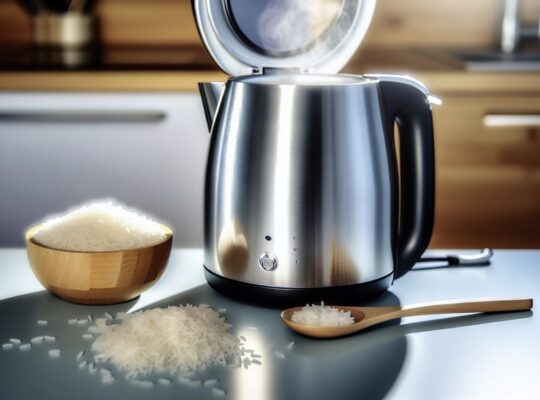
Curious whether you can cook rice, quinoa, or lentils in an electric kettle? You can, but you’ll need caution: kettles aren’t designed for extended simmering, even though boiling water will rehydrate small grains and split lentils. Results vary — risotto-style rice won’t work; long, even heat is missing. Use pre-rinsed quinoa or split lentils for best texture and shorter soak times. Always watch for boil-dry and avoid kettles with exposed heating elements, which trap starch and scorch.
- Rice: Use quick-cooking or parboiled rice, large water ratio, and check doneness early to prevent sticking/scorching.
- Quinoa: Rinse, add correct water (about 2:1), stir once, and let sit with residual heat; fluff when done.
- Lentils: Split red/green work best; they soften faster and need less active boiling.
- Safety tips: Don’t leave unattended, avoid metal utensils on elements, and clean starch deposits promptly to prevent damage and bacterial growth.
Note that kettles have limited temperature control compared with stovetop pots, so monitor cooking closely.
Vegetables and Steaming Options
After testing grains and legumes, you’ll find vegetables are generally easier to handle in an electric kettle because they need less active cooking time and tolerate quick bursts of boiling or passive steaming. You can safely blanch green beans, broccoli florets, asparagus tips, baby carrots, and sliced potatoes if you cut pieces uniformly and don’t overcrowd the kettle. Use just enough water to create steam or submerge items briefly; repeated boil cycles work better than prolonged rolling boil, which can damage thin-walled kettles or overcook produce. Always cool and drain immediately to stop carryover cooking and reduce bacterial growth. Avoid starchy whole potatoes bigger than a few centimeters or dense root vegetables that require long simmering — they strain the element and insulation. Clean the kettle after vegetable use to remove residue and odors; mineral deposits can hide food particles. If you’re unsure, test a small batch, monitor temperature, and prioritize ventilation and utensil safety to prevent steam burns or splashes. Many trains restrict or prohibit using appliances like kettles for safety reasons, so check train rules and consider alternatives such as thermoses or buying onboard beverages.
Dairy, Sauces, and Foods That Can Scorch
How should you approach dairy, creamy sauces, and other scorch-prone foods in an electric kettle? You should be cautious: milk, cream, cheese sauces, and custard mix easily scorch or boil over, creating burn risks and residue that’s hard to clean. Kettles heat unevenly and lack stirring control, so avoid heating concentrated dairy directly.
- Use low volumes: small amounts heat more evenly and reduce boil-over risk.
- Dilute and monitor: add water or broth to lower fat concentration and watch continuously.
- Gentle heat methods: consider external bain-marie (place sealed container in kettle water) to prevent direct contact with the element.
- Immediate cleaning: if dairy contacts the kettle interior, unplug, cool, and clean promptly to prevent bacteria and odor.
Evidence supports avoiding thick, emulsified sauces in kettles because separation and scorching are common. If you must use dairy, prefer controlled, low-temperature alternatives and never leave the kettle unattended. Rapid boiling and automatic shut-off features can improve safety when heating liquids, so use kettles with these safety features.
Foods That Can Damage Your Kettle or Void Warranties
You should avoid cooking starchy foods, sugary syrups, or anything that creates heavy mineral deposits in an electric kettle, because each can cause distinct, cumulative damage. Starch and sugar leave sticky residues that trap heat and can clog heating elements or sensors, while caramelized sugar can harden and corrode internal surfaces. Hard water combined with food particles accelerates abrasive mineral scaling, which may impair function and often voids manufacturer warranties. Regular descaling helps maintain efficiency and prevent buildup descaling maintenance.
Starchy Residue Build-up
Why would starchy foods be a problem for an electric kettle? Starches (rice, pasta, potatoes, oats) swell and release particulate matter that adheres to heating elements and internal surfaces. That residue reduces heating efficiency, traps mineral scale, and can create hotspots that stress components or trigger auto-shutoff failures.
- Clogging: Starch gel can block spouts, filters, or vents, impairing flow and safety features.
- Insulation: Adhered residue insulates elements, making them run hotter and shortening life.
- Contamination: Residue harbors bacteria and odors if not removed immediately.
- Warranty risk: Manufacturers often exclude damage from food residues or misuse.
You should avoid cooking starchy foods in kettles; use proper cookware and clean promptly to protect functionality and safety.
Sugary Caramelization Damage
Because sugar melts, darkens and hardens when heated, putting sweet ingredients in an electric kettle can quickly cause caramelization that sticks to heating elements and the kettle’s interior, reducing efficiency and creating hotspots that may trip safety cutouts or permanently damage components. You shouldn’t boil syrups, honey, sweetened condensed milk or sugar solutions in a kettle unless the manufacturer explicitly permits it. Caramel deposits are insulating and increase local temperature, stressing seals, wiring and thermostat sensors. Removal often requires harsh scraping or chemicals that void warranties or scratch protective coatings. If you accidentally boil sugary liquid, unplug immediately, allow full cooling, then inspect visually and by smell; persistent residue or burning odors warrant professional service. When in doubt, use a pot designed for sticky, high-temperature cooking.
Abrasive Mineral Scaling
Although mineral deposits form gradually, hard water and certain foods can produce abrasive scaling that abrades heating elements and interior surfaces of electric kettles. You should avoid boiling highly concentrated mineral suspensions or gritty ingredients (e.g., unfiltered groundwater, shellfish shells, coarse sea salts) because mechanical abrasion and trapped particles accelerate corrosion and reduce thermal efficiency. Scale buildup can void warranties and create hotspots that shorten element life. Descale regularly with manufacturer-recommended agents and document maintenance if you intend to claim warranty service. If you notice persistent residue or reduced boil performance, stop using the kettle and contact support; continued use risks damage and safety hazards.
- Unfiltered well water with high hardness
- Ground shell fragments (e.g., shells, bone)
- Coarse mineral salts or grit
- Repeated boiling of mineral-rich broths
Safety Tips and Best Practices for Cooking in a Kettle
How should you approach cooking in an electric kettle to keep risks low? Treat the kettle as a device for boiling water, not a general-purpose cooker. Only use foods that are safe at water-boiling temperatures and that won’t damage elements or seals—instant soups, dehydrated meals, eggs (carefully) and pre-cooked items for reheating. Don’t overfill; observe the max-fill line to prevent boiling over and short circuits. Use utensils and containers rated for high heat; avoid plastic that can melt. Monitor the process; don’t leave the kettle unattended while cooking. Cool and handle hot contents with oven mitts or tongs to avoid scalds. Unplug before attempting to remove stuck food or to stir. If you notice odd smells, smoke, leaking, or malfunctioning auto-shutoff, stop using the kettle and have it inspected or replaced. Follow manufacturer guidance—if cooking isn’t recommended, don’t do it. Prioritize safety over convenience. For quick meals like instant noodles, boil water in the kettle and then finish cooking in a separate bowl to avoid damaging the kettle and make cleanup easier.
Cleaning, Maintenance, and Avoiding Lingering Flavors
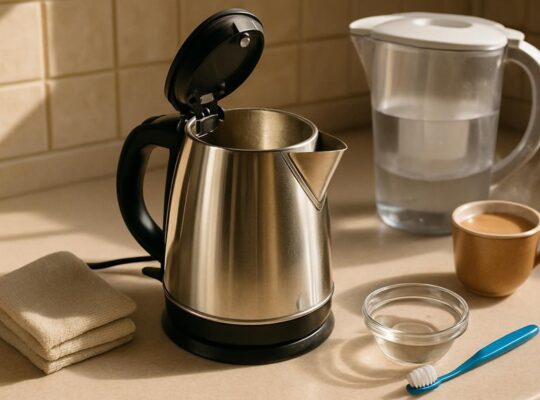
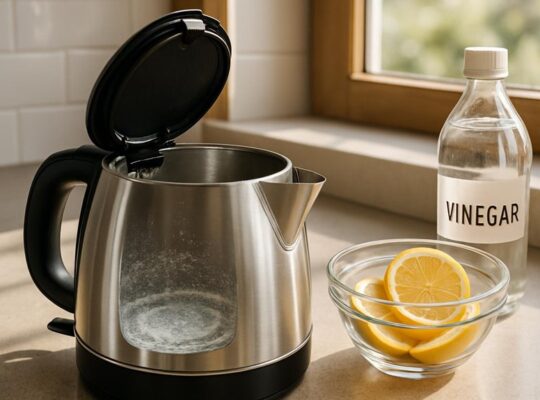
If you’re going to cook in an electric kettle, you’ll need a disciplined cleaning and maintenance routine to prevent corrosion, clogged heating elements, and lingering odors or flavors. You should descale weekly if you live in hard-water areas and after any starchy or fatty cook. Use a 1:1 white vinegar–water solution or citric acid per manufacturer guidance; boil briefly, let sit 15–30 minutes, then rinse thoroughly. Never submerge the base or allow water past electrical seals. After each use, rinse the interior, wipe dry, and leave the lid open to air out moisture.
- Rinse and dry after every use to prevent microbial growth and flavor transfer.
- Descale routinely with vinegar or citric acid; follow concentration and contact-time recommendations.
- Remove food residue immediately; use a non-abrasive brush to protect heating elements.
- Inspect seals and cords monthly; stop using the kettle if you detect corrosion, loose components, or persistent odors.
Follow manufacturer instructions; when in doubt, avoid cooking odor-prone foods in the kettle. Place and use the kettle on a stable, heat-resistant surface away from edges and heat sources to reduce risk of spills and damage, following placement guidelines.
Frequently Asked Questions
Can I Bake or Roast Anything in an Electric Kettle?
No — you can’t safely bake or roast in an electric kettle. They’re designed to boil water; attempting dry-heat cooking risks fire, damage, electrical shock, and uneven results. Stick to boiling or steaming per manufacturer guidance.
Can I Make Coffee or Tea Concentrates Directly With Milk?
No — you shouldn’t heat milk directly to make concentrated coffee or tea in an electric kettle. Milk scorches, foams, and risks burns or damage; instead steep with hot water then add warmed milk prepared separately for safety and control.
Will Cooking in a Kettle Increase My Electricity Bill Significantly?
Yes — it can raise your electricity bill modestly if you use it frequently or leave it running; kettles draw high power briefly, so occasional boiling adds little, but repeated long cycles will noticeably increase consumption and cost.
Can I Use My Kettle on a Timer or Smart Plug for Cooking?
You can, but you shouldn’t. Using a timer or smart plug bypasses kettle safety features, risking dry‑boil, fire, or damage. Only use manufacturer‑approved controls or models designed for unattended cooking, and follow safety instructions precisely.
Is It Safe to Cook for Pets in a Kettle Used for Human Food?
Yes — but cautiously. You shouldn’t cook pet food in a kettle used for humans unless you thoroughly clean it between uses, avoid residues, and ensure temperatures kill pathogens; cross-contamination risks and mineral buildup make separate appliances safer.