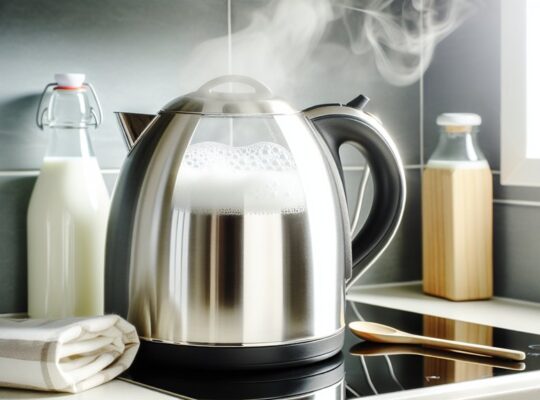
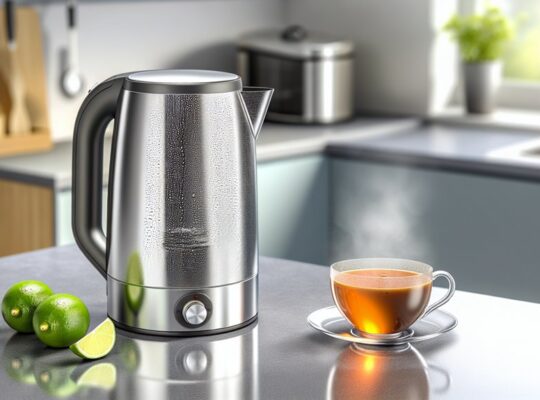
You’ll be surprised how much you can do with hot water and a kettle; the steam, the quick sizzle of instant noodles, the way herbs bloom, all make simple soup feel deliberate. Start with chopped vegetables, a stock cube or miso, and whatever protein you trust, then pour just-boiled water, cover, and wait as aromas deepen. It’s straightforward, efficient, and oddly comforting—keep going and you’ll see how restaurant-worthy bowls happen without a stove.
Key Takeaways
- Choose a sturdy stainless-steel or glass kettle rated for cooking with visible capacity markings and reliable auto shut-off.
- Use low-foam, quick-cooking ingredients (instant noodles, thinly sliced vegetables, pre-cooked proteins, soft tofu).
- Add powdered or strained broth, cover, and pour just-boiled water to fully submerge ingredients.
- Steep covered 12–15 minutes, stirring once, then add delicate greens, herbs, or an egg near the end.
- Clean and descale after use, dry inverted, inspect seals and cord, and never immerse the kettle base in water.
Choosing the Right Electric Kettle for Cooking
Which kettle will actually make your soup sing? You want one that heats evenly, seals tight, and feels sturdy in your hands. Look for a kettle with a wide mouth so you can add vegetables and broth without spills, and choose materials—stainless steel or glass—that won’t leach flavors. A flat, robust base helps simmer bits rather than scorching them; a visible water gauge or clear glass lets you monitor levels at a glance. Pick a model with a secure, locking lid and a cool-touch handle to prevent accidental burns, and favor automatic shut-off with boil-dry protection so the element won’t overheat if liquid evaporates. If you’ll simmer longer, a variable temperature setting is useful; otherwise simple on/off and reliable temperature control will do. Think about capacity—big enough for servings, small enough for safe handling. Test the pour: a steady, controllable stream keeps hot broth from splashing. Trust tactile feedback and clear safety features. For travel or on-the-go cooking, consider a 12V car-compatible model like a portable car kettle so you can heat broth on long journeys.
Safety Tips Before You Start
Before you pour a single drop, make sure your kettle is rated for cooking and sits on a stable, heat-safe surface so you can feel confident rather than anxious. Smell and inspect fresh ingredients—avoid anything oily, fizzy, or prone to splattering—and only use portions that won’t clog the spout. Finally, watch for signs of overheating (strange smells, repeated shutoffs) and give the kettle time to cool between batches. Also, be aware of train-specific rules about appliance use when traveling by rail.
Check Kettle Compatibility
Want your soup to be warm and safe, not a hazard? Check kettle compatibility before you pour ingredients in. Inspect the capacity: if your broth will push the water above the max fill line, simmer on the stove instead. Feel the lid and spout—tight seals keep steam where it belongs; cracked or loose fittings can spurt hot liquid. Read the manual: some models aren’t rated for simmering or cooking solids and will trip or warp. Note the material—plastic interiors can stain or leach with prolonged heating; stainless steel is safer for repeated use. Ensure the heating element won’t contact solids; exposed coils mean no soups. Confirm the auto-shutoff and boil-dry protections work. Small checks now protect you from burns and ruined soup.
Use Safe Ingredients
Thinking about what goes into your kettle-soup matters as much as checking the appliance—because some ingredients smell, foam, or scorch under intense, confined heat. Choose low-foam items: instant noodles, small diced vegetables, and thinly sliced mushrooms behave predictably. Avoid sticky starches, whole grains, or thick purées that can cling to the heating element and char. Use pre-cooked proteins or quick-cooking seafood; raw larger cuts won’t cook evenly. Skip large bones and fibrous stems that trap heat and release odors. Favor powdered broths or strained stocks to keep sediment minimal. Measure salt and oil sparingly to prevent sputtering. Rinse leafy greens and delicate herbs and add them near the end to preserve aroma. These choices keep the process clean, scented, and safer.
Prevent Overheating Risks
Choosing the right ingredients sets you up for a clean cook, but preventing your kettle from overheating will keep that cook safe. You’ll want to feel the kettle’s warmth without burning your fingers, so always fill to the recommended level — not below the minimum or above the maximum. Listen for unusual sounds; a loud rumble or rapid dry-boil warning means stop and unplug. Use cool or room-temperature liquids to avoid thermal shock to the element and body. If your kettle has an auto-shutoff, test it before cooking; if it doesn’t, time boils and never leave the appliance unattended. Keep vents clear and place the kettle on a stable, heat-resistant surface. Regularly descale to maintain efficient heating and reduce overheating risk.
Essential Tools and Accessories to Have on Hand
You’ll want a dependable electric kettle that brings water to a rolling, even boil without surprises. Keep a couple of heat-safe bowls or travel mugs nearby to hold steaming broth and prevent burns. A long-handled spoon or silicone spatula will let you stir, taste, and coax ingredients without scalding your fingers. Descale the kettle every 1–3 months to prevent mineral buildup from affecting performance and flavor.
Reliable Electric Kettle
Why does a reliable electric kettle matter when you’re making soup? You want steady, predictable heat and no surprises — a kettle that clicks off when water boils, with a sturdy handle and stable base, keeps you safe. Choose one with clear capacity markings and an easy-pour spout so you can measure and ladle without splashing. A lid that seals well keeps aromas contained and reduces steam burns; removable filters trap sediment and make cleaning simple. Look for durable materials and a cool-touch exterior; plastic that warps or exposed wiring is a hazard. Test the auto-shutoff and cord strain relief before trusting it for soup prep. A dependable kettle makes the ritual tactile, quiet, and secure.
Heat-Safe Containers
A set of heat-safe containers will keep your kettle-soup ritual efficient and safe, letting you transfer, steep, and store hot broth without spills or melted plastics. Choose borosilicate glass jars for clarity and thermal shock resistance — you’ll see color and steam swirl, and they won’t crack when you pour boiling water. Stainless-steel flasks and bowls are rugged, retain heat, and won’t leach odors; their cool rims make handling easier. Look for BPA-free, high-temperature silicone lids and sleeves to prevent slips and protect hands. Pick containers with wide mouths for easy pouring and ladling, and spout pitchers for drip-free transfers. Always check temperature ratings, never use thin plastic, and let hot containers rest on heatproof surfaces to avoid accidents.
Basic Stirring Tools
Think of stirring tools as the quiet choreographers of your kettle-soup — they help blend flavors, coax aromas, and keep sediments from clinging to the bottom. You’ll want a long-handled, heat-resistant spoon or spatula — silicone is ideal because it won’t scratch the kettle lining and resists high temperatures. A small slotted spoon helps lift solids without dumping scalding broth, while a narrow whisk can break clumps of powdered ingredients smoothly. Always grip tools by insulated handles and keep hands away from steam; use a towel or oven mitt if the handle warms. After each use, rinse promptly to avoid residue buildup that could harbor bacteria. Store tools upright and separate from raw-food utensils to maintain hygiene and safety.
Quick Broth Bases You Can Make in Minutes
How quickly can you turn boiling water into a flavorful base? You can, and safely: steep a bag of high-quality tea (green or smoky lapsang) for an earthy broth, or simmer a tied bundle of dried kombu and shiitake for a rich umami wash. Crush garlic and ginger, pour boiling water over them in a heatproof jar, cover, and steep five minutes for a bright, aromatic stock. For a quick vegetable broth, add a pinch of salt, a bay leaf, and a medley of dried herbs—thyme, parsley stems, and crushed celery seed—then let the kettle-poured water sit covered to extract flavor. If you want a heartier base, whisk in instant miso after the water cools slightly to preserve probiotics. Always use heatproof containers, handle the kettle carefully, and strain solids before eating. These methods give you safe, fast foundations to finish your soup without long simmering. For best results and safety, ensure your kettle is free of limescale and functioning with its automatic shut-off before use.
Best Ingredients for Fast-Cooking Soup
When you’re after a steaming bowl in minutes, choose proteins like thinly sliced chicken, silken tofu, or pre-cooked shrimp that soften at a glance. Add soft vegetables — baby spinach, diced zucchini, or mushrooms — that wilt and release aroma almost instantly. Finish with quick grains such as couscous, instant rice, or small pasta shapes to give body without long simmering. Always follow safe kettle use: fill with cold water below the maximum line and place on a stable surface before heating.
Quick-Cooking Proteins
Want soup on the table fast? Reach for quick-cooking proteins: thinly sliced chicken breast, peeled shrimp, silken tofu, and pre-cooked shredded duck or ham. You’ll smell savory steam as tender chicken ribbons curl, or hear shrimp become pearly and opaque in seconds. Cube tofu absorbs broth without falling apart; pre-cooked meats just need warming. Cut pieces uniformly so they cook evenly, and add proteins toward the end of boil to prevent toughness. Use a clean cutting board and thermometer when handling raw meat; ensure poultry reaches 165°F/74°C. If using frozen seafood, thaw safely under cold running water first. These choices give you rich texture and confident safety, turning hot kettle broth into a satisfying, protein-rich bowl in minutes.
Soft Vegetables and Grains
You’ve just added quick proteins; now pair them with soft vegetables and quick-cooking grains that will finish in the same short boil. Choose thinly sliced mushrooms, diced zucchini, spinach, peas, and tender corn—each softening in minutes and releasing sweet, earthy aromas. Add quick oats, couscous, or Israeli (pearl) couscous sparingly; they plump fast and thicken broth, so measure to avoid over‑absorbing. Rinse grains that need it, and cut vegetables uniformly for even cooking. Drop sturdier items first, delicate leaves last, and tuck in a pinch of salt and a splash of acid after kettle off to preserve texture. Keep the kettle lid closed to maintain heat; handle hot water with care and transfer to a heatproof bowl to serve safely.
Step-by-Step: Instant Noodle and Cup Soup Variations
A few simple swaps can turn basic instant noodles or a cup soup into something fragrant, satisfying, and far more nutritious than the packet suggests. Begin by boiling only the water you need in the electric kettle, then pour it slowly over the noodles or cup base in a heatproof bowl, covering to trap steam. Let it sit the recommended time, then gently stir to dissolve seasonings. Add a handful of pre-washed baby spinach or torn herb leaves for aroma and color; thinly sliced scallion or a soft-boiled egg (prepared separately and peeled) brings silkiness and protein. For texture, crumble toasted sesame or a few crushed nuts on top. Taste before adding the packet’s entire seasoning — use half initially to control salt. If you want heat, add chili oil by the drop. Always handle the bowl with a towel, and let the soup cool slightly before eating to avoid burns. Clean the kettle and utensils promptly. For quicker results and consistent boiling, consider using a stainless steel kettle which heats efficiently and is easy to clean.
Chunky Vegetable Soup Without a Stove
If you liked upgrading instant noodles, you’ll find the same quick, no-stove approach works brilliantly for a chunky vegetable soup that feels homemade. You’ll hear the kettle hiss, smell steam and herbs, and see bright veg pieces suspended in steaming broth. Chop carrot, potato, bell pepper and zucchini into uniform bite-sized chunks so they cook evenly; place them in a heatproof bowl with a pinch of salt, pepper, dried thyme and a crushed garlic clove. Add instant vegetable bouillon or a concentrated paste, then pour just-boiled water to cover by about an inch. Cover the bowl tightly and let it sit for 12–15 minutes; stir halfway to redistribute heat. Test a piece for tenderness, drain excess if you prefer a thicker stew, and adjust seasoning with lemon or soy. For safety, use oven mitts, keep the kettle upright, and avoid overfilling to prevent scalding. Serve hot and enjoy a wholesome, stove-free meal. For best results and to maintain appliance safety, regularly descale your kettle with equal parts vinegar according to manufacturer recommendations.
Adding Protein: Eggs, Tofu, and Canned Meats
Think of proteins as the hearty note that makes your kettle soup feel like a whole meal: eggs add silk and richness, tofu soaks up flavors and gives a pleasant chew, and canned meats bring instant savory depth. You’ll crack an egg into simmering broth for ribbons of soft, cooked silk; stir gently and cover the kettle briefly, watching steam finish the set. Cube firm tofu ahead; it holds shape and warms through in hot liquid, picking up aroma without falling apart. Drain and shred canned meats, then add near the end so they heat, not overcook, preserving texture and safety. Handle hot water carefully, use a lid when poaching, and ensure proteins reach a safe hot temperature. Be mindful that electric kettles are designed for boiling water and have limited temperature control, so monitor heat and avoid prolonged high-heat cooking.
| Protein | Tip |
|---|---|
| Egg | Gentle stir, cover 1–2 min |
| Tofu | Firm cubes, warm in broth |
| Canned meat | Drain, add late |
| Safety | Use hot temps, avoid cross-contam. |
Seasoning and Texture Tricks for Better Flavor
How do you coax boldness and balance from a simple kettle broth? You’ll begin by layering salt carefully—add a little, taste, then adjust; over-salting is easy and hard to reverse. Brighten with acid: a squeeze of lemon or splash of rice vinegar wakes flavors without heat. Introduce fat for silkiness—a teaspoon of sesame oil or a pat of butter melts into the hot liquid, carrying aroma across the palate. For texture, toss in quick-cooking elements: blanched greens, crumbled tofu, or softened instant noodles; add them near the end so they stay pleasantly tender, not mushy. Crunch arrives from toasted seeds or chopped scallions sprinkled just before serving. If you want depth, steep a tea bag of dried mushrooms or a fold of kombu during heating, then remove—this extracts umami safely without overcooking. Finish with a controlled hit of heat: cracked pepper, chili flakes, or a drizzle of chili oil. Taste at each step and proceed slowly. Be mindful that heating dairy or protein-rich liquids in an electric kettle can cause foaming and residue buildup, so choose a suitable kettle and clean it promptly after use for best results (automatic shut-off).
Cleaning and Maintaining Your Kettle After Use
Wondering how to keep that humble kettle looking and tasting its best after every batch of soup? You’ll want to act while it’s warm but unplugged: pour out leftover broth, wipe the interior with a soft cloth, and leave the lid open to air-dry. Rinse thoroughly to prevent oily residue and scary bacterial growth.
- Gently descale with a 1:1 vinegar-water soak for 20 minutes, then rinse until the smell is gone.
- Wipe seals and spout with a damp cloth; use a cotton swab for tight crevices to remove trapped soup bits.
- Dry completely with a clean towel and invert the kettle to drain — moisture breeds odor and microbes.
- Inspect the cord and base for splashes; never immerse the base in water.
Clean promptly, handle lids and cords carefully, and you’ll preserve flavor, extend the kettle’s life, and keep every serving safe and inviting. Regular descaling also maintains consistent temperature control and efficiency, which helps the kettle perform better over time.
Frequently Asked Questions
Can You Pressure-Cook in an Electric Kettle?
No, you can’t safely pressure-cook in an electric kettle; it wasn’t designed for sealed high pressure. You’d risk scalding steam, rupture, and fire. Use a proper pressure cooker, follow instructions, vents, and pressure-release steps carefully.
Can You Make Creamy Soups Without Milk or Cream?
Yes — you can. Use blended cooked vegetables, starchy potatoes or cauliflower, nut or seed purées, or soaked cashews for richness; simmer gently, season well, and taste constantly so textures and safety stay comforting and predictable.
How Long Can Homemade Kettle Soup Be Refrigerated?
You can refrigerate homemade kettle soup for 3–4 days; cool it quickly, store in airtight containers, label with date, and reheat to a rolling simmer. If it smells off or develops mold, don’t taste it—discard immediately.
Can You Cook Rice or Grains in the Kettle With Soup?
You can, but you shouldn’t fully cook dense rice or grains in most kettles; they’ll stick, swell and risk clogging or overheating. Use quick-cooking grains or pre-soak, stir gently, and monitor temperature for safety.
Does Altitude Affect Kettle Soup Cooking Times?
Yes — higher altitude slows boiling, so your kettle soup will take longer and may not reach full doneness; you’ll want to extend steeping time, use smaller pieces, and ensure thorough heating for safety and proper texture.