You should clean your electric kettle regularly to keep it efficient and to avoid off-tastes or cloudy tea. How often depends on your water hardness and how much you use it: quick rinses weekly, light wipes daily, and a full descaling about once a month for typical households. If you have hard water or see visible limescale, you’ll need to descale more often — and there are simple, safe methods to fix it.
Key Takeaways
- Descale an electric kettle every 1–3 months, more often if you have hard water.
- Do quick daily care: empty after use, wipe exterior, and leave the lid open to air-dry.
- Perform a weekly rinse: boil fresh water, discard, and inspect the filter and spout.
- Use vinegar (1:1 heavy, 1:3 light) or 1–2 tbsp citric acid per litre; boil and soak 20–30 minutes.
- Always unplug, cool, and rinse thoroughly after descaling; follow manufacturer instructions for concealed elements.
Why Regular Kettle Cleaning Matters
Why should you clean your kettle regularly? You’ll reduce scale buildup that impairs heating efficiency, raises energy use, and shortens the appliance’s lifespan. Regular descaling prevents deposits from flaking off into your drinks, so you’re not ingesting mineral particles or unpleasant tastes. You’ll also lower bacterial and mold risk by removing residues that trap moisture, keeping brewing surfaces sanitary. Clean interiors ensure accurate boil indicators and proper safety cutoffs; neglected kettles can overheat or trip improperly. Routine cleaning makes spotting damage or corrosion easier, letting you address faults before they become hazards. It preserves the kettle’s performance so water heats evenly and quickly, which is safer and more predictable when handling hot liquids. Finally, maintaining a clean kettle reduces the chance of odors transferring to beverages, so every cup is safe, hygienic, and tastes as it should. Regular, simple care protects both you and the appliance. Adding simple descaling steps—like using a vinegar solution or citric acid—helps prevent scale buildup and keeps the kettle operating efficiently.
How Water Hardness Affects Cleaning Frequency
If your tap water is hard, you’ll see mineral buildup form much faster, so you’ll need to clean more often. Those calcium and magnesium deposits can reduce heating efficiency and lead to scaling that affects taste. Check your local water hardness and adjust your cleaning schedule accordingly. Regular descaling every 1-3 months helps prevent mineral buildup from shortening kettle lifespan.
Hard Water Buildup Rate
Frequently, the speed at which limescale accumulates in your kettle depends directly on water hardness: the higher the concentration of calcium and magnesium ions, the faster you’ll see white, chalky deposits forming. You should monitor buildup frequency by noting how quickly deposits appear after cleaning — in very hard water areas, expect visible scale within 1–2 weeks; in moderately hard areas, 3–6 weeks; in soft water zones, several months. Adjust your cleaning schedule accordingly to prevent performance loss and safety hazards like overheating or automatic-shutoff failure. Use simple tests — visual inspection and taste — and document intervals. If you spot rapid recurrence, install a water softener or increase cleaning to weekly. Always unplug and cool the kettle before cleaning.
Mineral Deposit Effects
Mineral deposits from hard water change how often you’ll need to descale your kettle because calcium and magnesium buildup reduces heating efficiency, clogs spouts, and can trigger automatic-shutoff failures. You should check local water hardness or test strips to estimate buildup rate: the harder the water, the more often you’ll descale. In soft-water areas you can descale every 2–3 months; in moderately hard areas aim for monthly; in very hard water you may need biweekly attention. Regular visual inspections—white crust, slower boiling, odd noises—are your safety cue to act. Use safe descalers like diluted vinegar or citric acid, follow manufacturer guidance, rinse thoroughly, and never boil descaling solutions unless specified. Consistent care maintains performance and reduces risk.
Signs Your Kettle Needs Descaling Now
If you see white, flaky limescale coating the interior or the spout, it’s a clear sign your kettle needs descaling. You’ll also notice it if water takes much longer to reach a boil than it used to, since scale reduces heating efficiency. Act on these signs promptly to keep your kettle performing and to avoid off-tastes in your drinks. Frying in an electric kettle is generally discouraged due to safety and control limitations, so choose safer cooking methods or appliances and prioritize safety precautions.
Visible Limescale Buildup
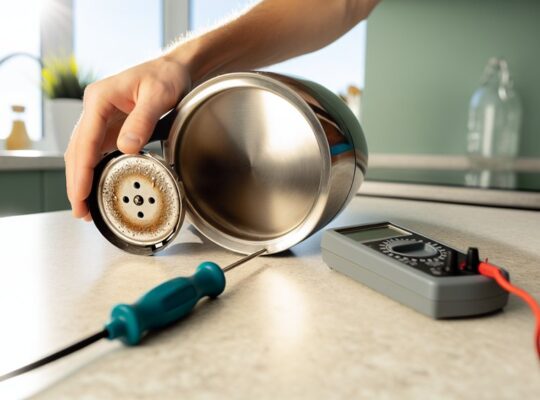
Often you’ll spot limescale as chalky, white-gray deposits clinging to the kettle’s interior, around the spout, or on the heating element — and when you do, it’s a clear sign you need to descale. You shouldn’t ignore it: limescale can flake into drinks and reduce heat transfer. Descaling restores performance and keeps water safer to drink.
- Inspect visually before each use — check the interior, spout, and rim for flaky patches.
- Tap the bottom gently; hardened scale may sound dull or rattle.
- Smell for a faint metallic or “off” odor indicating mineral buildup.
- Note cloudy residues on poured water or on cups after use.
If you see these signs, descale promptly using recommended methods and follow safety instructions.
Slow Boiling Time
You might spot limescale, but another telltale sign is when your kettle takes noticeably longer to reach a boil. If water that used to boil in a minute now needs several, mineral deposits on the heating element or base are likely insulating heat transfer. That makes the appliance work harder, wastes energy, and can shorten its lifespan.
Check boil time regularly: if it increases by 20–30% or the kettle stalls before boiling, descale immediately. Use a manufacturer-approved descaler or a diluted vinegar solution, follow safety instructions, unplug first, and rinse thoroughly afterward. Regular descaling every 1–3 months (or sooner in hard-water areas) keeps boiling efficient, reduces risk of overheating, and maintains safe operation.
Daily and Weekly Quick-Clean Routines
Regularly doing quick daily and weekly checks keeps your kettle hygienic and prevents scale buildup from becoming a chore. You’ll want short, safe routines that fit your schedule and reduce long-term maintenance. After each use, empty leftover water, wipe the exterior and spout with a damp cloth, and leave the lid open to air-dry—this prevents bacterial growth and odors. Once a week, do a more thorough rinse: fill, boil, discard, then rinse several times to remove loose particles.
- Wipe exterior and spout daily with a damp cloth; dry to prevent corrosion.
- Empty after each use and leave lid open to air-dry.
- Weekly rinse: fill, bring to boil, pour out, repeat twice with fresh water.
- Inspect filter/screen weekly; remove debris and reseat properly for safe operation.
These steps take minutes, protect taste, and lower safety risks from contaminated water or clogged filters. Follow manufacturer instructions for any component-specific care. A monthly deep clean using a vinegar-water solution will help remove mineral scale before it builds up.
Monthly Descaling: Methods That Work
Wondering how to keep limescale from building up inside your kettle? Each month, descale to maintain performance and safety. Fill the kettle halfway with equal parts water and white vinegar or use a citric acid solution (1–2 tablespoons per litre). Boil, then turn off and let it sit 20–30 minutes to dissolve deposits. After soaking, pour out the solution and rinse thoroughly with fresh water; boil and discard plain water once or twice to remove residues. For metal filters or spouts, soak removable parts in the same solution and scrub gently with a soft brush. Never use bleach or abrasive powders that can damage surfaces or leave harmful residues. If your kettle has manufacturer instructions, follow them first to avoid voiding warranties. Wear gloves if your skin is sensitive, and ensure the appliance is unplugged and cool before you start. Regular monthly descaling prevents buildup and keeps your kettle safe and efficient. Using distilled water can also reduce mineral deposits and prolong the time between descalings, as it contains fewer dissolved minerals than tap water and can help minimize limescale buildup.
Deep Cleaning for Stubborn Limescale and Stains
When stubborn limescale or brown stains won’t budge with monthly descaling, it’s time for a deeper, targeted clean that tackles mineral buildup without harming the kettle. You’ll work more deliberately: unplug, cool, and empty the kettle, and protect any electrical fittings. Use non-abrasive tools—soft brushes, plastic scrapers, or cloths—to avoid scratching metal or coatings.
- Inspect: check the heating element, spout, and seams for heavy deposits or trapped debris.
- Soak locally: apply an appropriate cleaning solution to affected areas, letting it sit until deposits soften (follow product instructions and safety warnings).
- Agitate gently: after soaking, use a soft brush or cloth to dislodge softened scale; avoid metal pads or harsh scraping.
- Rinse and test: rinse thoroughly multiple times, boil fresh water once and discard to remove residues, then inspect for remaining stains.
If buildup persists or the element looks corroded, stop use and consult a professional or the manufacturer for repair or replacement. For kettles with concealed heating elements, follow manufacturer guidance and consider professional service for concealed heating maintenance.
Best Household Descalers: Vinegar, Citric Acid, and Baking Soda
For routine descaling you can use household white vinegar — a 1:1 mix with water will loosen limescale quickly and it’s inexpensive. If you prefer a milder, odour-free option, citric acid dissolves deposits just as effectively and rinses clean without leaving a vinegar smell. I’ll explain how to use each safely and when one is a better choice than the other. Always unplug the kettle before filling and cleaning, and ensure it is completely cooled before descaling for safety.
Vinegar for Descaling
Need a simple, effective descaler? Vinegar is a reliable, low-cost choice for removing limescale from your electric kettle. You’ll mix white vinegar with water, heat briefly, then let it sit to dissolve deposits. Rinse thoroughly afterward to remove odor and residue; safety first—never immerse the base or plug. Use gloves if you have sensitive skin and ventilate the area.
- Use a 1:1 vinegar-to-water ratio for heavy scale, 1:3 for light buildup.
- Heat to near-boil, then unplug and let sit 20–60 minutes.
- Pour out, scrub gently with a nonabrasive brush, and rinse 3–4 times.
- Repeat monthly or when you see visible scale.
Citric Acid Benefits
Why choose citric acid over other descalers? You’ll get a gentle, food-grade option that’s effective at removing limescale without strong fumes. It’s safe when used correctly, rinses clean, and won’t leave a lingering smell like vinegar.
| Benefit | Strength | Safety |
|---|---|---|
| Effective on scale | High | Food-grade |
| Mild odor | Low | Non-toxic when diluted |
| Easy rinse-off | Quick | No corrosion if used properly |
To use it, dissolve 1–2 tablespoons in a liter of water, boil or soak for 15–30 minutes, then rinse thoroughly. Don’t mix with bleach or ammonia. Wear gloves if you have sensitive skin and ensure good ventilation. Store citric acid away from children and pets. Regular use (monthly in hard water) keeps your kettle efficient and safe.
Cleaning Tips for Different Kettle Types (Stainless Steel, Glass, Plastic)
Which kettle you own makes a big difference in how you should clean it; stainless steel, glass, and plastic each demand slightly different care to stay safe and perform well. You’ll want to use methods that remove scale and stains without damaging finishes or leaving harmful residues.
- Stainless steel: Fill with equal parts water and white vinegar, boil, let sit 15–30 minutes, then rinse thoroughly. Wipe exterior with a soft cloth; avoid abrasive pads that scratch and harbor bacteria.
- Glass: Use a mild vinegar soak or citric acid to clear deposits; rinse and air-dry to prevent water spots. Inspect seals and handles for trapped moisture.
- Plastic: Use a diluted vinegar solution or baking soda paste; rinse repeatedly to eliminate odors. Don’t use harsh bleach or scouring powders that can degrade plastic.
- Electric bases/contacts: Never submerge; unplug, wipe with a damp cloth, and ensure contacts are dry before reconnecting.
Follow manufacturer guidance when provided to keep your kettle safe and long-lasting. Rapid boiling features can also improve overall energy efficiency when choosing and maintaining your kettle.
Preventive Measures to Reduce Limescale Buildup
Regularly taking a few simple steps can dramatically cut down on limescale buildup and keep your kettle working efficiently. First, use filtered or bottled water if your supply is hard; softer water deposits far less mineral scale. Don’t overfill the kettle—only boil what you need—because repeated heating of excess water accelerates mineral concentration. Empty the kettle after each use when practical; leaving water sitting lets minerals settle and adhere. Wipe the spout and rim dry with a clean cloth to remove surface droplets that can leave deposits. Consider installing a small tap-mounted or under-sink filter if hard water’s an ongoing problem; it’s a long-term investment in appliance health. Periodically check and replace any removable filters or mesh strainers the manufacturer recommends. Finally, follow your kettle’s usage limits—avoid continuous boiling cycles and keep the exterior and base dry to reduce corrosion risks. These measures lower limescale formation and extend safe, reliable operation. Also, choose a kettle with a concealed heating element to make cleaning easier and reduce scale buildup on exposed parts.
Safe Cleaning Practices and Appliance Care
Having cut down on limescale with preventive steps, you’ll also want to follow safe cleaning practices and proper appliance care to keep your kettle functioning and hazard-free. Unplug the kettle and let it cool before any cleaning. Never immerse an electric base in water; wipe it with a damp cloth and dry thoroughly. Use mild detergents, and avoid abrasive pads that damage heating elements or seals. Rinse interior surfaces well after descaling so no residue remains.
- Inspect seals and cords regularly for wear or damage; replace parts per manufacturer guidance.
- Descale with recommended agents (vinegar or citric acid per instructions) and neutralize residues by rinsing.
- Clean exterior with a soft cloth; avoid spraying liquids directly onto controls or connectors.
- Store the kettle dry, lid open slightly to prevent mold, and don’t leave water standing overnight.
Follow these steps to reduce risk of electric faults, burns, and contamination while extending your kettle’s service life. Be mindful that using appliances like electric kettles on trains may be subject to safety regulations, so always check local rules before traveling with one.
Frequently Asked Questions
Can Descaling Affect My Kettle’s Warranty?
Yes — descaling generally won’t void your kettle’s warranty; manufacturers expect maintenance. Use recommended methods and approved descalers, keep records, and avoid harsh chemicals or abrasive tools that could cause damage and nullify warranty coverage.
Can I Use Dishwasher Tablets to Descale a Kettle?
You can, but you shouldn’t. Dishwasher tablets are abrasive and contain harsh chemicals; they can damage the kettle’s heating element, coatings, or leave residues. Use diluted citric acid, white vinegar, or manufacturer-recommended descaler for safe, effective cleaning.
How Long Does Descaling Solution Need to Sit Inside?
Typically, you’ll let descaling solution sit for 15–30 minutes; stronger buildup might need up to an hour. You’ll follow the product’s label, wear gloves if recommended, then rinse thoroughly before using the kettle again.
Is It Safe to Boil Descaling Agents in the Kettle?
Yes — you can boil mild descalers (vinegar diluted or citric acid) in the kettle, but don’t boil strong commercial chemicals. Rinse thoroughly afterward, vent steam away, and avoid boiling bleach, acids at high concentration, or bleach mixes.
Can Limescale Make My Water Taste Different?
Yes — limescale can make your water taste chalky or slightly metallic. It’s harmless in small amounts but affects flavor. You should descale regularly, use food-safe methods, and avoid ingesting large scale flakes.