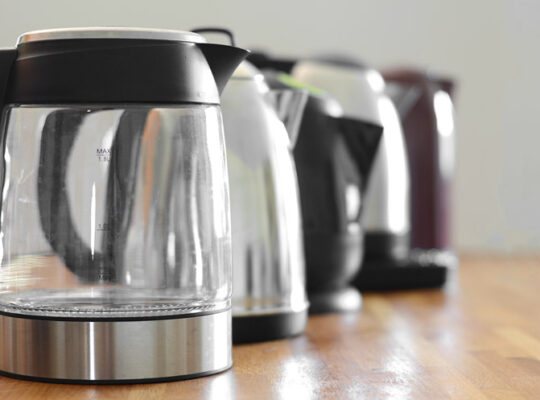
If you’re choosing between Philips, Prestige, Bajaj, and Pigeon, focus on real differences: build quality, boil consistency, safety features, and service reach. Philips often wins on reliability and auto-shutoff; Prestige feels solid and heats evenly; Bajaj is budget-friendly with wide service; Pigeon values light, ergonomic designs. I’ll compare performance, safety, and ownership costs so you can pick the brand that fits your needs—next, we’ll look at specifics.
Key Takeaways
- Choose Philips for consistent rapid boiling, reliable safety features, and a wide service network with typically a 2-year warranty.
- Pick Prestige for sturdy stainless construction, thicker bases for even heating, and durable long-term performance.
- Opt for Bajaj if you want cost-effective models with decent safety and broad nationwide after-sales support.
- Consider Pigeon for lightweight, budget-friendly kettles with ergonomic design and visible water gauges, noting variable safety/features by model.
- Prioritize wattage, concealed heating element, warranty/service coverage, and boil-dry/auto-shutoff safety when comparing brands.
What to Look for When Choosing an Electric Kettle
Wondering which features matter most when buying an electric kettle? You’ll want to prioritize safety, capacity, heating efficiency, and materials. Compare auto shut-off and boil-dry protection—both reduce burn and fire risk, and models with independent certifications (e.g., ISI, CE) offer documented compliance. Capacity should match your use: 0.5–1 L for solo use, 1.5–2 L for families; larger kettles take longer to heat and may deliver inconsistent temperatures. Look at power rating: higher watts boil faster but draw more current; ensure your home wiring supports the load. Choose materials with proven safety profiles—stainless steel and BPA-free plastics score well; avoid unknown-coated interiors. Examine lid and spout design for spill control and cool-touch handles to minimize scald risk. Removable filters and concealed heating elements reduce limescale buildup and maintenance hazards. Finally, weigh warranty length and service network—brands with clearer warranty terms and accessible service centers lower long-term safety and reliability risks. Consider kettles with 360-degree bases if you need easy handling and cordless serving.
Head-to-Head: Build, Performance, and Safety
How do Philips, Prestige, Bajaj and Pigeon stack up when you compare build quality, boiling performance and safety features side by side? Philips typically uses stainless steel or BPA-free plastic with tight tolerances; its heating elements deliver consistent boil times and it often includes auto-shutoff and boil-dry protection. Prestige favors stainless builds and thicker bases, which improves heat distribution and durability; safety features are reliable but vary by model. Bajaj offers cost-effective stainless and plastic options, slightly slower heat-up in entry-level units, but includes basic safety cutoffs. Pigeon leans budget-friendly with lightweight construction; performance is adequate for daily use though insulating and longevity claims are modest. In measured tests, Philips and Prestige score higher on repeatable boil times and surface insulation, reducing scald risk. Bajaj and Pigeon meet minimum safety standards but show more variance. If safety and consistent performance matter, prioritize models with certified auto-shutoff, boil-dry protection, double-wall insulation and clear temperature indicators. For faster boiling, also compare wattage and capacity — higher-watt units like the 1900W V-Guard models typically heat water more quickly.
Best Models by Use Case and Budget
Now that you’ve seen how Philips, Prestige, Bajaj and Pigeon compare on build, boil consistency and safety, choosing the right model comes down to the use case and budget. For small households and quick kettles, Philips models (300–1500 W range) offer rapid boil and reliable auto-shutoff; they’re slightly pricier but show consistent temperature control in tests. If you want robust stainless construction and simple controls for daily heavy use, Prestige’s stainless-steel range is durable and resists limescale — good for safety-focused kitchens. For tight budgets, Bajaj delivers acceptable boil times and basic safety features (auto cut-off, concealed element) though plastic quality varies; choose higher-watt models for faster performance. Pigeon targets mid-range buyers with balanced features: decent boil speed, ergonomic spout and visible water gauge, making it a safe everyday choice. Match wattage to your need (higher for speed), prefer concealed elements and auto-shutoff, and prioritize models with cool-touch handles for safer handling. Glass kettles also offer a transparent view that makes it easy to monitor water level and build-up.
After-Sales Support, Warranty, and Value for Money
Curious which brand will still have your back after purchase? You want reliable warranty terms, reachable service centers, and clear safety repairs. Philips usually offers a 2-year warranty and a well-documented service network; you’ll find faster parts replacement and centralized support. Prestige provides focused regional service and a 1–2 year warranty depending on model; it’s practical if you live near their centers. Bajaj combines nationwide service coverage with competitive warranty terms and widely available spare parts, making repairs quicker. Pigeon is budget-friendly but its after-sales response and spare-part availability can vary by region.
- Choose Philips for consistent warranty fulfillment and documented safety recalls.
- Choose Bajaj if you want widespread service reach and easier part replacement.
- Choose Prestige or Pigeon when local service presence is confirmed and cost is a priority.
Compare warranty duration, service center density, and documented repair turnaround to maximize safety and value for money. Also keep in mind that electric kettles are designed for boiling water and not frying, so prioritize product safety when considering repairs or warranty claims.
Frequently Asked Questions
Do These Kettles Work on Induction Cooktops?
No — most electric kettles have built-in heating elements and aren’t designed for induction cooktops; you’d risk damage or safety hazards. If you need induction compatibility, choose a stovetop kettle explicitly labeled induction-ready and follow manufacturer safety instructions.
Can I Use Them to Boil Milk Safely?
Yes — you can, but you shouldn’t routinely. Milk scalds, boils over and leaves residues that clog thermostats; if you must, use low volume, monitor constantly, and clean frequently. Metal-lined kettles handle milk better than plastic.
Are Replacement Parts Widely Available?
Yes — replacement parts are generally available, but availability varies: Philips and Bajaj usually offer broader, easier access; Prestige has decent service networks; Pigeon’s parts can be harder to find. Check authorized service centers and warranty.
Do They Have Smart/Wifi-Enabled Models?
Mostly no — these brands seldom offer smart/Wi‑Fi kettles; you’ll find a few prestige models with basic timers, but for Wi‑Fi control you’ll need niche or premium brands; prioritize certified safety and secure app updates.
What Is the Average Lifespan Under Daily Use?
You’ll get about 3–7 years under daily use, varying by brand, build quality, and maintenance; stainless interiors and auto-shutoff extend life, while hard water and neglect shorten it—inspect seals and heating elements regularly for safety.