If you make tea or coffee every day and care about consistent flavor, a temperature-control electric kettle can be a smart upgrade; it gives precise heat, auto shut-off, and repeatable results that a regular kettle can’t match. It costs more and varies in build quality, so you’ll weigh features and warranty against price — and there are specific situations in Indian homes where it’s clearly worth it, while others might not need one.
Key Takeaways
- Yes, it’s worth it if you drink delicate teas or specialty coffee and want consistent, repeatable brew temperatures.
- For everyday boiled-milk chai or cooking, a regular kettle is cheaper and broadly sufficient.
- Temperature control saves energy and avoids repeated reboils, useful in frequent-use Indian households.
- Prioritize models with accurate ±1–2°C control, auto shut-off, boil-dry protection, and easy descaling.
- Expect mid-tier to premium prices (₹3,500+ for reliable accuracy); budget models may be inconsistent.
Why Temperature Control Matters for Tea and Coffee
Why does temperature matter so much for tea and coffee? You’ll notice flavor, strength, and safety shift with even small changes. For black tea and boiled-milk chai, near-boiling water extracts strong tannins and ensures any microbes in raw milk or leaves are reduced. For green and white teas, lower temps (around 70–80°C) prevent bitterness and preserve delicate aromas. For coffee, pour-over and specialty brews usually taste best between 90–96°C; lower temps under-extract, higher temps over-extract and scorch oils. Practically, you’ll get more consistent cups if you match temperature to the beverage rather than always using a rolling boil. From a safety perspective, keeping water hot enough reduces bacterial risk when you’re using unpasteurized ingredients or rehydrating instant mixes. Comparing outcomes, controlled temperatures give predictable taste and safer drinks; uncontrolled boiling gives variable flavor and potential scalding. Electric kettles with temperature control also help avoid overheating and improve consistency.
How Temperature Control Kettles Work
How do temperature control kettles actually hit the right degree every time? You get a simple closed-loop system: a heating element raises water temperature while a sensor (usually a thermistor) constantly feeds readings to a controller. The controller compares actual vs. target temperature and cuts power when the set point is reached, or uses pulse-width modulation to hold a steady temperature. That keeps you safe from overheating and dry-boil risks.
| Component | Role | Safety feature |
|---|---|---|
| Heating element | Heats quickly | Auto shut-off at target |
| Thermistor/sensor | Measures temperature | Fault detection alerts |
| Controller | Regulates power | Cool-down and lock modes |
Compared to basic kettles, temperature-control models actively monitor and adjust. You’ll want a unit with accurate sensors, clear readouts, and reliable auto shut-off. Regular descaling preserves sensor accuracy; follow manufacturer safety instructions to avoid burns or electrical hazards. Nova models often use stainless steel bodies and practical features like auto shut-off that add safety and durability.
Taste Differences You Can Expect
Wondering whether a temperature-control kettle will actually change your cup? You’ll notice real, predictable differences. Brewing tea or coffee at the right temperature prevents bitterness from over-extraction and preserves delicate aromas that a rolling boil can destroy. For black tea, near-boiling water extracts robust flavor; for green and white teas, lower temps (70–80°C) keep vegetal and floral notes intact so the cup tastes cleaner and less astringent. With coffee, brewing between 90–96°C balances acidity and body; cooler water highlights brightness, hotter pulls harsher compounds. You’ll get more consistent results than with a regular kettle, so your preferred flavor profile becomes repeatable. That consistency also reduces the temptation to oversteep trying to mask off-flavors. From a safety perspective, temperature control avoids accidental scalding from repeatedly boiling and pouring; programmable hold settings keep water at safe, known temperatures. Overall, expect crisper, more nuanced cups and fewer bitter surprises when you use the right temperature. You can also use a temperature-control kettle to heat water for quick dishes like Maggi, ensuring you add just enough hot water for the desired texture and flavor with minimal fuss and safety concerns using an electric kettle.
Energy and Time Savings Compared to Regular Kettles
Good temperature control not only sharpens flavor but can also save you time and energy compared with a regular kettle. When you set an exact target, you avoid repeatedly boiling and cooling water, which cuts wasted energy—especially important if your grid supply fluctuates or you use a metered connection. Temperature kettles often reach lower setpoints faster than bringing a full boil, so for tea or coffee you use less electricity and get your cup sooner. They also reduce reheating cycles: keeping a small quantity at the right heat is more efficient than boiling large batches repeatedly. Compared with a stovetop or basic electric kettle, you’ll see measurable savings if you brew frequently—small per-cup reductions add up over weeks. For safety, modern temperature kettles include auto-shutoff and thermal insulation, lowering burn and scald risk while saving energy. Choose models with accurate thermostats and good insulation to get reliable time and energy benefits. Look for kettles made from borosilicate glass for durability and safety.
Who Benefits Most in Indian Households
Who benefits most from a temperature-control electric kettle in an Indian home depends on your routine and brewing habits: frequent tea or coffee drinkers, small families, and those with erratic power supplies will see the biggest gains. If you brew multiple times a day, precise temps let you extract better flavour — delicate green tea, masala chai, and single‑origin coffee each need different temperatures, and you’ll waste less water reheating. Small households or solo users save energy because you can boil only the volume needed and keep it at serving temperature safely. If you face frequent voltage drops, models with auto-shutoff and restart protection reduce risk and avoid overheating when power flickers. You’ll also appreciate temperature presets if you host guests who prefer different drinks; it’s quicker and safer than guessing. In short, you benefit most when you value consistent taste, lower running costs, and built‑in safety features that reduce scald and electrical risk in everyday Indian kitchen conditions. Regular descaling prevents mineral buildup that can lengthen boiling times and affect taste.
When a Regular Kettle Is Perfectly Adequate
If you just need water boiled fast for instant noodles or a cup of coffee, a regular kettle often does the job quicker and cheaper. For everyday Indian tea rituals that don’t demand precise temperatures—like boiling strong masala chai—you won’t miss the extra controls. Save the temperature kettle for specialty teas or cooking tasks where exact heat matters. Modern multipurpose kettles also offer automatic shut-off and boil-dry protection that enhance safety.
Quick Boiling Needs
Need hot water fast? If you mainly want speed and basic safety, a regular electric kettle often wins: it boils water quickly, is simple to use, and usually costs less than a temperature-control model. You won’t miss the precise settings if you just need boiling water for instant coffee, sterilizing baby bottles, or quick cooking. Compare practicality:
- Faster heat-up for full-boil needs
- Fewer controls reduce user error
- Lower upfront cost and simpler maintenance
- Auto-shutoff protects against boil-dry accidents
- Durable design with fewer electronic parts
Choose a well-made basic kettle with clear indicators and reliable auto-shutoff. For fast, routine boiling where exact temperature isn’t required, a regular kettle is a safe, practical choice.
Simple Tea Rituals
Ever wondered whether your everyday cup of chai really needs precise temperatures? If you brew basic masala chai or a quick sugar-milk tea, a regular kettle is usually fine. You boil water, steep strong tea leaves with spices, add milk and simmer — the process tolerates boiling and small temperature swings. Compared to a temperature-control kettle, a standard model is cheaper, simpler, and faster for these routines. You’ll still want safe practices: don’t overfill, handle the kettle with a dry cloth, and pour away from children. If you’re not chasing subtle flavors or delicate teas, the extra features aren’t necessary. For straightforward, frequent chai at home, a regular electric or stovetop kettle gives reliable, safe results.
Key Features to Look for Before Buying
Wondering which features actually matter when choosing a temperature-control electric kettle in India? You want a unit that gives reliable temperatures, safe operation, and easy maintenance. Focus on build quality and materials—stainless steel or glass interiors reduce metallic tastes and are easier to clean than some coated plastics. Compare temperature accuracy and presets; +/- 1–2°C is ideal for delicate teas. Safety features matter: automatic shutoff, boil-dry protection, and a locked lid prevent accidents. Consider cordless bases, 360° rotation, and a comfortable, cool-touch handle for daily use.
- Temperature accuracy and usable presets
- Safe auto shutoff and boil-dry protection
- Food-grade interior material and easy cleaning
- Solid lid seal and comfortable, cool-touch handle
- Stable base, clear water level markings
Pick a kettle whose features match how you brew and how often you’ll use it; prioritize safety and durability over flashy extras. Regular descaling helps maintain efficiency and safety.
Price Ranges and Value-For-Money Options in India
How much you’ll pay for a temperature-control electric kettle in India depends on features and brand — but you can expect clear price bands that match real differences in value. You’ll find three practical tiers: budget models (basic temp presets), mid-range (precise setpoints, better heating), and premium (accurate PID control, stainless steel, extra safety). Pick based on how precise you need temperatures and how often you’ll use it.
| Price band | Typical features | Who it’s for |
|---|---|---|
| Budget (₹1,500–3,500) | Few presets, plastic body | Casual users, infrequent use |
| Mid (₹3,500–7,000) | Digital setpoints, better build | Daily tea/coffee lovers |
| Premium (₹7,000+) | PID control, steel, warranty | Precision brewers, heavy use |
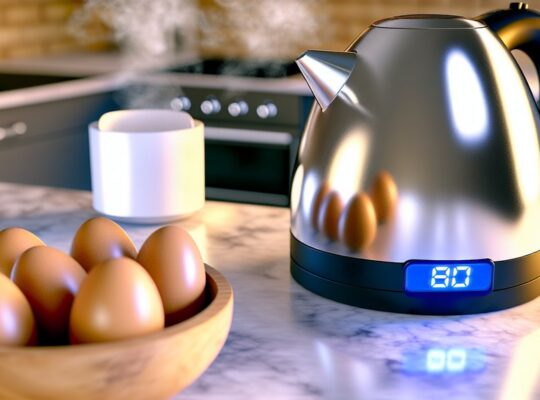
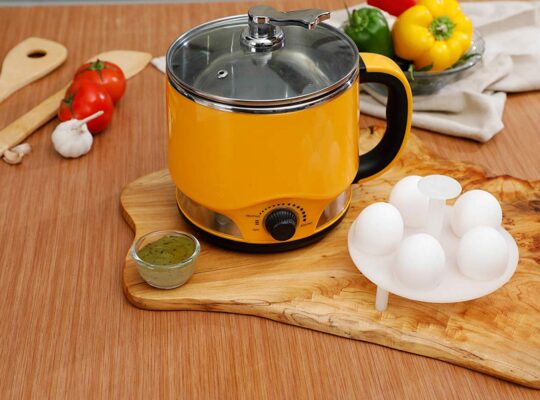
Compare accuracy claims and warranty length to judge value. If safety and repeatable temps matter, spend enough to get reliable controls and a decent warranty — that’s real value. An electric kettle that can also boil eggs consistently benefits from precise temperature control when you want repeatable results.
Maintenance, Safety, and Durability Considerations
Price and features matter, but you’ll get the long-term value only if the kettle lasts and stays safe to use. You’ll want minimal limescale build-up (hard water is common), easy-to-clean interiors (prefer glass or high-grade stainless), and seals that don’t degrade. Compare warranties: longer coverage often signals better parts and support. Auto-shutoff and boil-dry protection are non-negotiable for safety; check that controls feel solid and indicators are clear.
Maintenance is simple if you follow recommended descaling intervals and avoid abrasive cleaners that harm coatings. Durability hinges on the heating element type—concealed elements resist scaling better—and on hinge and spout construction.
- Descale every 4–8 weeks (hard water sooner)
- Choose concealed heating elements
- Inspect cord and plug regularly
- Prefer models with clear safety certifications
- Replace worn gaskets promptly
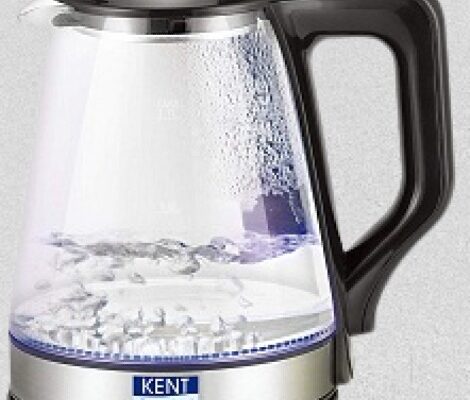
If you handle routine care and pick certified builds, a temperature-control kettle will be both safer and longer lasting. Glass kettles offer a transparent design that makes it easier to spot limescale and monitor water levels.
Real-World User Experiences and Common Complaints
Curious what owners actually like or gripe about? You’ll find praise for consistent temperatures—great for chai, green tea, and baby formula—plus fast boil times that save time. Users often compare models: stainless interiors rate higher for taste and safety than coated ones, while glass kettles win on visibility but need gentler handling. You’ll notice recurring complaints: faulty thermostats, inaccurate temperature readouts, and short-lived heating elements. Some report limescale buildup faster than expected in hard-water areas, so you’ll want a descaling routine. Cordless bases and auto-shutoff earn steady approval for reducing burn and fire risk; confusing controls or flimsy lids are common irritants. Noise levels vary—quieter units feel more premium. After-sales service matters: poorly supported brands turn small repairs into safety concerns. When you weigh options, prioritize accurate temperature control, durable materials, clear safety features, and accessible service to minimize real-world headaches. Consider choosing a stainless-steel model with a concealed heating element to reduce scale buildup and improve longevity.
Frequently Asked Questions
Can Temperature Kettles Brew South Indian Filter Coffee Properly?
Yes — you can brew South Indian filter coffee properly with a temperature kettle; it lets you hit the ideal 88–96°C, avoids scorching, and gives consistent extraction, so you’ll get safer, more reliable flavor every time.
Do They Work Reliably During Frequent Power Fluctuations?
They generally do, but it depends on build quality and surge protection; higher-end models have voltage tolerance and auto-shutoff, while cheaper ones can malfunction. You should use a stabilizer or surge protector for safe, reliable operation.
Are Replacement Parts Readily Available in Smaller Indian Cities?
Yes — replacement parts can be limited in smaller Indian cities, but you’ll often find basic components online or via manufacturer service centers; compare brands with local networks, prioritize safety-certified models, and keep receipts for warranty support.
Can These Kettles Handle Hard, Mineral-Rich Indian Tap Water?
Yes — they can, but mineral-rich Indian tap water shortens lifespan and affects heating accuracy; you’ll want models with stainless steel or concealed element, regular descaling, and water filters or softened supply to keep them safe and reliable.
Do Temperature Kettles Void Appliance Insurance or Warranties?
They usually don’t void warranties if used normally, but tampering or third-party repairs can. Compare manufacturer terms and insurance policies, keep receipts, and follow care instructions so your kettle stays covered and safe.