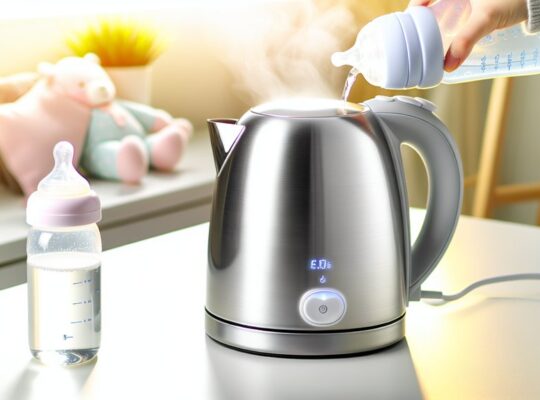
You want hot drinks fast and to keep them hot later, but an electric kettle and a thermos do very different jobs. A kettle quickly brings water to a set temperature using a heating element and safety cutoffs; a thermos uses vacuum insulation to preserve whatever temperature you pour in. Each has trade-offs in speed, energy use, portability, and maintenance — so choosing depends on how you plan to use them next.
Key Takeaways
- An electric kettle uses a heating element to boil water quickly, while a thermos passively preserves liquid temperature with vacuum insulation.
- Kettles consume about 0.1–0.15 kWh per boil and heat fast; thermoses use no energy but retain heat for hours.
- Kettles offer temperature control and hold functions for brewing precision; thermoses cannot reheat or fine‑tune temperature.
- Safety: kettles need auto‑shutoff and boil‑dry protection; thermoses rely on tight seals and insulated handles to prevent spills and heat loss.
- Maintenance differs: kettles require regular descaling and electrical care; thermoses need simple rinsing and seal inspection.
How Electric Kettles Work: Heating Elements and Safety Features
When you plug in an electric kettle, a concealed heating element—usually stainless steel or a metal coil—converts electricity to heat, warming the water quickly and efficiently; modern designs pair that element with automatic shutoff and boil-dry protection so you don’t overheat or start a fire. You’ll appreciate models that combine fast boil times with clear safety features: look for kettles with reliable thermostats, visible water-level indicators, and cool-touch exteriors to reduce burn risk. Auto shutoff engages at boiling point; boil-dry protection senses low water and cuts power. Check build quality—secure lid seals, cord storage, and stable bases prevent spills and tripping hazards. Energy-efficient elements save electricity, but prioritize safety certifications (UL, CE) and straightforward controls over bells and whistles. If you need rapid, safe boiling for household use, choose a kettle with redundant safety systems and easy maintenance. That way you’ll get dependable performance without compromising household safety. Higher-wattage models like those with 1900 watts deliver faster boil times suitable for larger capacities.
How Thermoses Keep Liquids Hot: Insulation and Vacuum Technology
Although a thermos looks simple, its performance comes down to two engineered features: insulating layers and a vacuum gap that stops heat transfer. You’ll notice a double‑walled construction — usually stainless steel — where the inner and outer walls create a protected cavity. That cavity is evacuated to form a vacuum, which prevents heat loss by conduction and convection. Reflective coatings on the inner wall reduce radiant heat loss, so your beverage stays near its original temperature without added energy.
You should evaluate seals and lid design: a tight, well‑made stopper minimizes heat escape and prevents spills, which matters for safety. Materials matter too — food‑grade stainless and BPA‑free plastics avoid chemical leaching at high temperatures. Check vacuum integrity: a dented or corroded wall can compromise performance. In short, pick a thermos with proven vacuum insulation, robust seals, and safe materials to reliably keep liquids hot and protect you from burns or contamination. Regular maintenance like descaling and inspecting seals can help preserve performance and longevity, especially when using hard water.
Speed and Energy Use: Boiling Vs Maintaining Temperature
How fast do you need hot water and what will it cost you? If you want boiling water immediately, an electric kettle is your go-to: it brings a liter to a rolling boil in a few minutes, using roughly 0.1–0.15 kWh per boil depending on capacity and element efficiency. That speed is convenient but uses bursts of energy and requires supervision to avoid scalds or dry-boil risks, so choose kettles with auto-shutoff and boil-dry protection.
A thermos won’t boil water — it’s built to maintain temperature safely for hours with minimal energy loss. You’ll spend almost no extra energy keeping liquids hot once you’ve filled a well-preheated flask. For safe use, pour boiling water into the thermos carefully, seal it securely, and let it settle before opening. Choose the device based on whether you value rapid heating (electric kettle) or low ongoing energy and safe, long-term temperature retention (thermos). Many users prefer kettles with concealed heating elements for easier cleaning and safety.
Temperature Control and Precision: When Exact Heat Matters
Speed and energy are one thing, but precision is another: if you’re brewing specialty tea, tempering chocolate, or making baby formula, exact temperatures matter and your choice will affect outcomes. An electric kettle with variable temperature settings lets you dial in specific degrees, often within a few degrees of your target. That control reduces risk—preventing scalding formulas or ruining delicate leaves—because you’re not guessing when to stop heating. Some kettles offer hold functions that maintain a set temperature for a period, which is handy when you need consistent heat for a recipe or repeated servings. A thermos, by contrast, preserves temperature rather than set it; you can’t raise or fine-tune heat once liquid’s sealed. It’s safe for transport and gradual cooling, but not for achieving a precise target. If temperature accuracy and repeatability matter to you, choose a quality temperature-controlled kettle and follow manufacturer safety guidelines to avoid burns and ensure reliable results. Regular descaling with white vinegar helps maintain kettle accuracy and efficiency.
Portability and Use Cases: Travel, Camping, and Office Use
If you travel a lot, you’ll want gear that’s compact and spill-proof—thermoses usually win for plane or car trips while foldable or travel kettles can work if you have power. For camping, you’ll prioritize ruggedness and fuel-free options, so a sturdy thermos or a stove-safe kettle is more practical than a fragile electric model. In the office, convenience matters most: an electric kettle gives fast, precise heat if you have a socket, whereas a thermos keeps your drink ready without tying you to a kettle. Consider also the boiling speed of an electric kettle when choosing between the two.
Travel Friendliness
Want something that fits your bag and your itinerary? You’ll find a thermos is naturally travel-friendly: it’s lightweight, spill-proof, and keeps drinks hot or cold for hours without power. It’s ideal for trains, flights, or a long office day where safety matters — no boiling element, no risk of scalding from a tipped appliance. An electric kettle gives you on-demand boiling at hotels or offices with outlets, but it’s bulkier, needs reliable power, and poses higher burn risk if it tips or you handle it carelessly. For short trips or commuting, pick a sturdy insulated bottle. If you need freshly boiled water where outlets are available, choose a compact kettle with automatic shutoff and secure lid to reduce hazards.
Camping Durability
How rugged is your gear and how you’ll use it matters: for camping, a thermos is the tougher, lower-risk choice — it’s lightweight, drop-resistant, and keeps liquids at usable temps for hours without power — while an electric kettle gives you fast boiling but needs a reliable power source, flat stable surface, and more careful handling to avoid spills or burns. Choose a vacuum-insulated thermos if you want minimal fuss, lower breakage risk, and safe sipping from the trail; look for BPA-free lids and secure seals. If you prefer hot drinks on demand and have safe access to power, pick a compact kettle with auto-shutoff, low water-level protection, and stable feet. Prioritize safety features and pack stability for camping.
Office Convenience
Where will you actually use your hot drinks most — at your desk, on a business trip, or during a hike? Think practicality: a compact thermos is low-risk, spill-proof, and keeps liquids hot for hours without power, so it’s ideal for commuting, meetings, and outdoor breaks. An electric kettle gives faster boiling and temperature control, but you’ll need an outlet and a stable surface, which limits use in shared offices or trains. For travel, a sturdy thermos meets safety and airline carry rules; for short trips between meetings, a small travel kettle can work if your hotel or office allows it. Prioritize leak-proof seals, secure lids, and stable placement to minimize scald risk wherever you go.
Capacity and Pouring Convenience: Single-Serve to Family-Sized
Need something for one cup or boiling for a crowd? You’ll choose by capacity and pouring ease. For single-serve needs, compact kettles or narrow thermoses minimize waste and are easier to handle; for family use, larger electric kettles with clear volume markings and wide spouts speed service while reducing spills. Consider weight when full, lid security, and spout design — a controlled pour lowers scald risk. If you move between uses, a mid-size option balances fill frequency and stability.
| Size Option | Pouring & Use |
|---|---|
| Single-serve | Lightweight, precise pour, minimal hot water at risk |
| Mid-size | Versatile, moderate weight, safer refill cadence |
| Family-sized | Fast volume, needs secure lid and steady spout |
Check auto-shutoff and locking lids on kettles; for thermoses, confirm tight seals and insulated handles. Match capacity to routine to keep boiling safe and pouring convenient. A reliable electric kettle can also give consistent results for tasks like boiling eggs when you follow recommended times for soft-boiled eggs and hard-boiled options.
Cleaning, Maintenance, and Longevity Considerations
Ever wondered which takes more effort to keep working like new? You’ll find a thermos needs minimal care: rinse after use, occasional deep clean for odors, and check seals for wear. It won’t scale or scorch because it has no heating element, so longevity often hinges on denting and cap condition. An electric kettle requires regular descaling (frequency depends on water hardness), wiping the exterior, and keeping the heating element and filter clear to avoid performance loss and safety hazards. You’ll also watch for worn cords, switches, or loose lids that can create electrical risks. In both cases, following manufacturer cleaning instructions preserves insulation and safety. If you want low-maintenance and durable performance, a thermos usually wins; if you need fast heating, accept routine descaling and electrical checks. Choose based on how much maintenance you’ll reliably do and how important electrical-safety vigilance is for your household. Modern electric kettles often include automatic shut-off and boil-dry protection to improve safety and convenience.
Cost Comparison: Upfront Price and Long-Term Value
How much you’ll spend upfront and over time depends on which trade-offs matter: thermoses are cheap to buy and virtually cost-free to run, while electric kettles cost more initially and add a small—but continuous—energy and maintenance expense. You’ll weigh purchase price, replacement likelihood, and predictable operating costs. A basic stainless thermos is affordable and durable; a high-end vacuum flask raises upfront cost but cuts replacement frequency. Electric kettles give faster boiling and convenience, but you’ll pay more at purchase and for occasional descaling or part replacement.
- Purchase price — thermos: low to moderate; kettle: moderate to high.
- Operating cost — thermos: negligible; kettle: recurring, measurable.
- Maintenance/replacement — thermos: rare; kettle: periodic (heating element, switches).
- Long-term value — choose a thermos for low total cost, a kettle if you value speed and convenience enough to justify extra spend.
Prioritize safety-rated products and warranties to protect your investment. Many kettles also include features like cool touch lids that improve safety and usability.
Environmental Impact and Energy Efficiency
Think about how much energy you’ll use to boil water with an electric kettle versus how long a thermos will keep it hot without reboiling. Compare the kettle’s immediate electricity consumption to the thermos’s passive heat retention and how that affects repeat heating. Also weigh product lifespan and materials—stainless steel or plastic—since durability and recyclability change the long-term environmental footprint. Many popular models, like the Prestige PKOSS 1.0-Liter Electric Kettle, feature a stainless steel body and automatic shut-off that can improve safety and reduce wasted energy from over-boiling, making them a practical choice for efficient home use (stainless steel body).
Energy Consumption Comparison
When you compare energy use, an electric kettle and a thermos serve very different roles: the kettle uses electricity to raise water temperature quickly each time, while a thermos conserves the heat you’ve already generated, so your choice hinges on whether you prioritize immediate reheating or long-term insulation. You’ll weigh upfront energy per boil against minimal ongoing losses. Consider typical household safety: avoid overfilling kettles and ensure thermoses seal properly.
- Electric kettle: high short-term energy for each boil, fast and controllable.
- Thermos: near-zero ongoing energy, relies on initial heating source.
- Usage pattern: frequent boils favor kettle despite higher cumulative energy.
- Practical tip: match device to routine to minimize energy and risk.
Heat Retention Efficiency
Having compared energy use for boiling versus conserving heat, you’ll want to look at how well each device actually holds temperature over time. You’ll find a thermos excels: vacuum insulation minimizes conductive and convective losses so hot liquids stay near serving temperature for hours. An electric kettle, even with keep-warm functions, uses intermittent power to maintain heat and loses efficiency each cycle; it’s better for rapid reheating than long-term retention. For safety, a thermos lowers scald risk by reducing reheating needs and limiting hot-surface exposure. Choose a high-quality thermos with a secure lid and easy-clean interior to avoid bacterial buildup. If you need frequent hot water, an insulated kettle with thermostat control balances convenience and reduced energy waste.
Lifespan and Materials Impact
How long will your kettle or thermos actually last, and what are the environmental costs tied to the materials and manufacturing? You’ll find thermoses often last 5–10+ years with minimal failure risk; stainless steel kettles last 3–7 years depending on scale buildup and heating elements. Manufacturing stainless steel and plastic has higher upfront emissions than simple insulated bottles, but repeated kettle use can offset that if you boil many times.
- Durability: thermoses resist dents; kettles suffer element failure.
- Repairability: kettles sometimes have replaceable parts; thermoses rarely do.
- Recycling: stainless steel recycles well; mixed plastics and electronics complicate kettles.
- Safety: choose BPA-free liners and corrosion-resistant materials for long-term health.
Choosing the Right Option for Your Daily Routine
Which fits your routine best—fast boiling or long-lasting heat? If you need quick hot water for tea, oatmeal, or baby formula, an electric kettle is the safer, faster choice. You’ll want one with auto shut-off, boil-dry protection, and a cool-touch handle to reduce burn risk. Look for stainless-steel interiors and reliable certifications.
If you’re frequently away from outlets, commuting, or need hours of insulated warmth, a quality thermos is better. Choose double-walled, vacuum-insulated models with leakproof lids and BPA-free materials to maintain temperature and hygiene. Check seals regularly for wear.
Consider hybrid habits: keep a small kettle at home and a thermos for travel. Factor in capacity needs, cleaning ease, and whether you require temperature control for delicate beverages. Budget for replacement parts like lids or seals to preserve safety. Make a choice that matches your daily flow while minimizing scald and contamination risks. Many travelers also prefer a compact option like the InstaCuppa foldable kettle for portability and quick heating foldable silicone.
Frequently Asked Questions
Can a Thermos Be Used to Brew Tea or Coffee Directly Inside It?
Yes — you can brew tea or coffee directly in a thermos, but you’ll want to use boiling water for proper extraction, steep briefly, and strain leaves or grounds to avoid clogging. Clean thoroughly to prevent bacteria.
Are Electric Kettles Safe to Leave Boiling Unattended Overnight?
No, you shouldn’t leave an electric kettle boiling unattended overnight — it’s unsafe. Even with auto-shutoff, faults or dry-boil can occur. Choose kettles with safety certifications, timers, and don’t risk leaving it running.
Do Mineral Deposits Affect Thermos Insulation Over Time?
Yes — mineral deposits can reduce sealing and heating performance over time, so you’ll notice weaker insulation if scale builds. You should descale periodically, rinse thoroughly, and avoid harsh abrasives to maintain safety and thermal efficiency.
Can Kettles and Thermoses Handle Acidic or Alcoholic Liquids?
Yes — you can use mildly acidic drinks and low-proof alcohol in most kettles and thermoses, but you’ll want to avoid strong acids or high-proof spirits; they can corrode seals, affect finishes, and compromise safety over time.
Are There Electric Kettles With Built-In Water Filtration?
Yes — some electric kettles include built-in filters or replaceable filter cartridges to reduce sediment, chlorine and odors; you’ll want certified models, easy-to-clean filters, and clear maintenance instructions to keep water safe and tasting good.