If you need to heat water at home or work, you’ll want to weigh electric kettles against immersion heater rods for safety, speed, and cost. Kettles give automatic shutoff and enclosed heating, while rods handle larger volumes but demand grounding and careful supervision. I’ll outline the practical trade-offs, risks, and when each option makes sense so you can pick the safest, most efficient fit for your needs.
Key Takeaways
- Electric kettles heat small volumes quickly (1 L in ~3–6 minutes) with 80–90% efficiency and automatic shutoff.
- Immersion (heater) rods are cheaper for large volumes but take much longer and are typically 60–75% efficient.
- Kettles provide built-in safety features (boil-dry cutoff, enclosed element); rods need proper grounding and RCD/GFCI protection.
- Scale buildup reduces efficiency and safety for both; regular descaling with citric acid or vinegar is essential.
- Choose kettles for speed, safety, and frequent small use; choose rods only for large tanks with correct wiring and supervision.
How Electric Kettles Work
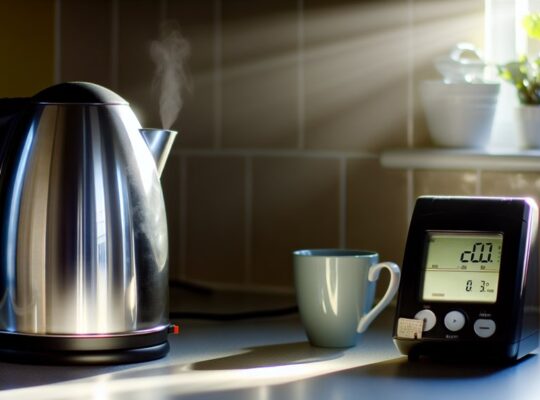
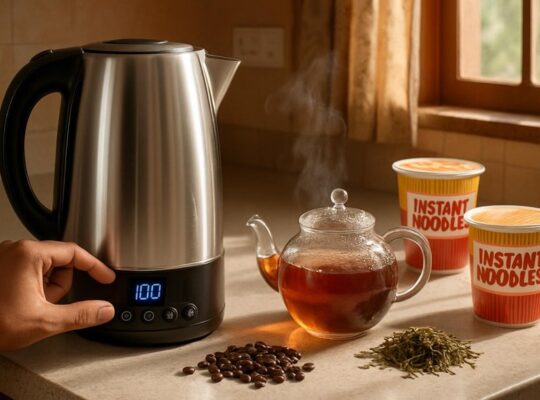
How does an electric kettle heat water so quickly and safely? You’ll find a concealed or exposed heating element converts electrical energy into heat via resistance; that heat transfers directly to the water, so warming is efficient and fast. Most kettles include an automatic shutoff triggered by a thermostat or boil-dry sensor, preventing overheating if water’s gone or reaches boiling. You’ll want to check for grounded plugs, proper insulation, and secure element seals to reduce shock and leakage risks. Lids should lock or fit snugly to limit steam escape and scald hazards; handles are heat-resistant to keep you safe when pouring. Regular descaling maintains performance and reduces hotspots that could damage the unit. Prefer models with overheat protection and certifications from recognized safety bodies. When filling, you’ll avoid overfilling to prevent boiling water spillage and never immerse the base in water. Following these precautions keeps operation reliable, fast, and focused on safety. An electric kettle can also be used to heat water quickly for simple cooking tasks like making instant noodles or tea by boiling an appropriate amount and following safety guidelines for boiling water in a kettle.
How Water Heater Rods Operate
You’ll learn that a water heater rod is a simple resistive element that converts electrical energy into heat when submerged in water. You’ll also need clear guidance on correct installation and wiring to prevent shocks and ensure reliable operation. Finally, we’ll cover routine safety checks and maintenance steps to avoid scaling, corrosion, and electrical hazards. Proper temperature monitoring and safety precautions are essential when using heating elements in water.
Heating Element Basics
A simple immersion rod heats by converting electrical energy into heat through a resistive metal element submerged in the water; when you switch it on, current flows through the element, which resists the flow and releases heat directly into the surrounding liquid. The element is typically a corrosion-resistant alloy or stainless steel sheath around a resistance wire and insulating magnesium oxide powder; that construction maximizes heat transfer and minimizes electrical leakage. You should expect steady, localized heating with rapid surface temperatures; avoid touching the element while energized. Scale buildup reduces efficiency and increases risk, so you’ll need periodic descaling. The element’s integrity and insulation determine safe operation—cracked sheaths or damaged seals are hazards. Always remove power before inspecting or cleaning.
Installation and Wiring
Where should the immersion rod be mounted and how should it be wired to keep things safe and functional? You should mount the rod securely to the tank or pot with its flange above the waterline so seals stay dry. Wire the rod to a dedicated circuit with appropriate breaker size and use a residual-current device (RCD). Ground the metal parts and use heat-resistant, insulated wiring rated for the load. Keep connections accessible for inspection and avoid temporary splices.
| Component | Requirement | Notes |
|---|---|---|
| Mounting flange | Above waterline | Prevents seal failure |
| Circuit | Dedicated breaker | Matches element amperage |
| Protection | RCD/GFCI | Reduces shock risk |
| Grounding | Mandatory | Bond metal parts |
| Wiring | Heat-rated cable | Avoids insulation damage |
Follow local codes and consult an electrician for installation.
Safety and Maintenance
Having the rod mounted and wired correctly sets you up to focus on how the immersion element actually operates and what keeps it safe. You’ll rely on routine checks and simple maintenance to prevent overheating, corrosion, and electrical faults. Inspect seals, terminals, and insulation regularly; address any discoloration, scale, or loose connections immediately. Drain and descale on a schedule suited to your water hardness, and always isolate power before servicing.
- Check grounding and continuity with a tester before each season.
- Replace damaged gaskets and corroded terminals; don’t improvise with tape.
- Descale with manufacturer-approved solutions to maintain heating efficiency.
- Verify thermostat and cutoff operation to prevent dry-run overheating.
Follow these steps and you’ll minimize risks while extending service life.
Speed and Heating Performance Comparison
How fast do you need hot water for your routine? You’ll find electric kettles heat water much quicker for small to moderate volumes: their enclosed elements and high wattage (usually 1500–3000 W) bring a liter to boiling in 3–6 minutes, minimizing time you’re near hot surfaces. Water heater rods (immersion rods) can heat larger volumes in tanks but generally take longer because heat disperses through a bigger mass and relies on natural convection; expect 15–45 minutes depending on volume and heater power. For safety, prefer devices with reliable temperature cutoffs and automatic shutoff to prevent dry-boil or overheating. If speed matters for frequent short uses, an electric kettle is practical and reduces the window for accidental scalds. If you must heat large quantities, plan ahead and use guarded immersion setups with thermostatic control and clear protocols to avoid handling live elements or hot water exposure during operation. Electric kettles also offer consistent performance for small batches, making them ideal for tasks like boiling eggs with predictable timing using precise temperature control.
Energy Efficiency and Operating Costs
You’ll want to compare energy use per liter to know which device wastes less power for the amount of hot water you need. Also consider how heat-up time affects total energy consumed and the risk of overheating or repeated reheats. Finally, weigh long-term operating costs including standby losses, maintenance, and replacement frequency to choose the safest, most economical option. Regular descaling with citric acid helps maintain heating efficiency and lower operating costs.
Energy Use per Liter
Curious how much energy you actually use to heat a liter of water? You can estimate it safely and precisely: raising 1 L by 1°C needs 4.186 kJ, so for typical boiling (20°C to 100°C) you need ~334.9 kJ (0.093 kWh) ideally. Real devices waste energy, so factor efficiency.
- Electric kettle: usually 80–90% efficient; expect ~0.11–0.12 kWh per liter to boil, minimal standby losses.
- Water heater rod: often 60–75% efficient in open containers; expect ~0.12–0.16 kWh per liter, more heat loss to surroundings.
- Safety note: always monitor rods; exposed elements can cause scalding, fire risk if run dry.
- Cost tip: multiply kWh by your tariff to calculate per-liter expense and choose the safer, more efficient option.
Heat-Up Time Impact
Having looked at energy per liter, next consider how heat-up time affects that energy use and your operating costs. Faster heat-up means less standby loss and shorter appliance run time, so an electric kettle that brings water to boil in minutes will usually draw energy more efficiently per use than a slower heater rod. You should factor in cycle frequency: repeated short boils reduce thermal loss versus prolonged heating. Safety-wise, quicker heating limits the period hot elements are exposed, reducing scale buildup and risk of dry-run if water is low. However, rapid cycles can stress wiring if not rated. Measure actual time-to-temperature, note element wattage, and assure your circuit and device have appropriate protections to keep operating costs predictable and safe.
Long-Term Cost Comparison
While upfront price and wattage matter, the long-term cost picture comes down to how much energy you actually use over years and what maintenance or replacement costs you’ll incur; compare an electric kettle’s quick, concentrated boils against a heater rod’s slower, on-demand heating and factor in frequency of use, local electricity rates, and expected device lifespan.
You’ll want to calculate energy per use and multiply by realistic yearly cycles. Consider failure modes: scale buildup reduces efficiency and raises costs, while element burnout forces replacement. Safety-related maintenance (descaling, insulation checks, thermostat calibration) affects operating expenses and risk.
- Measure average kWh per boil and annual uses to estimate yearly energy cost.
- Include expected lifespan and replacement frequency.
- Add routine maintenance time and consumables.
- Factor higher repair risk in wet, hard-water environments.
Safety Risks and Best Practices
How do the safety risks of an electric kettle compare with those of a water heater rod, and what precautions should you take with each? An electric kettle limits exposure: it’s enclosed, has auto-shutoff and boil-dry protection, but risks include scalds from steam, hot surfaces, and electrical faults if damaged or used near water. Use kettles on stable, dry surfaces, keep cords away from edges, replace units with cracked housings, and never immerse the base. A water heater rod exposes live elements directly to water, increasing shock and fire risk if wiring, grounding, or insulation is faulty. Only use rods in properly earthed outlets, with residual-current devices (RCD/GFCI) installed, and avoid leaving them unattended. Turn off power before inserting or removing rods, and ensure the rod is compatible with the container size and water level. In both cases, follow manufacturer instructions, inspect regularly, and prioritize protective devices to reduce electrical and burn hazards. Boiling water in an appliance with automatic shut-off reduces the chance of dry-boil damage and improves safety.
Durability and Maintenance Needs
You’ll want to compare build quality and materials to judge which appliance will last under regular use. Check how each handles scale and mineral buildup, since limescale shortens lifespan and creates safety hazards if ignored. Also consider repairability and parts availability so you can fix faults quickly rather than replacing the whole unit. Electric kettles often include features like automatic shut-off that can reduce damage from overheating and extend service life.
Build Quality and Materials
Why does build quality matter so much when you’re choosing between an electric kettle and a water heater rod? You want a device that’s robust, non-reactive, and safe under repeated heat cycles. Materials determine corrosion resistance, heat transfer efficiency, and risk of failure.
- Stainless steel vs plastic: stainless resists corrosion and won’t leach; high-grade plastic reduces weight but can degrade with heat.
- Element construction: sealed, grounded heating elements reduce shock and short-circuit risks; exposed rods need reliable insulation.
- Seals and joints: welded or brazed seams last longer than glued or taped connections; inspect for fatigue points.
- Surface finishes: polished or passivated metals resist rust and are easier to clean, improving long-term safety.
Choose proven materials and certified construction for peace of mind.
Scale and Mineral Buildup
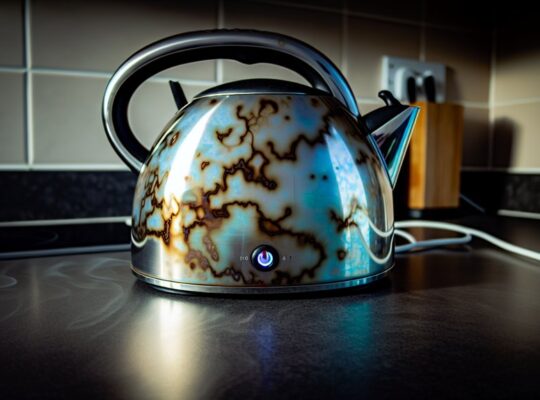
Ever wondered how hard water will change the performance and lifespan of your kettle or immersion rod? Scale deposits reduce heating efficiency, increase energy use, and can create hot spots that shorten element life. You should descale regularly based on local water hardness: weekly in very hard areas, monthly in moderate areas. Use food-safe descalers (vinegar or citric acid solutions) and follow manufacturer instructions to avoid corrosion or electrical hazards. Empty and dry the appliance after descaling, and inspect seals and cord entries for mineral damage. For immersion rods, never operate a rod that’s coated in scale or used outside recommended water levels — that’s a burn and fire risk. Regular, correct maintenance preserves performance and keeps use safe.
Repairability and Parts Availability
Repairability and parts availability determine how long your kettle or immersion rod will serve you and how costly repairs will be. You’ll want to know whether replacement elements, thermostats, cords, and handles are sold separately and whether the manufacturer supports repairs. If parts are scarce, you’ll face higher disposal risk and potential safety hazards from DIY fixes.
- Manufacturer support: check warranty length and authorized service centers.
- Spare parts: verify availability of heating elements, fuses, and gaskets.
- Repair complexity: prefer designs with accessible fasteners and modular components.
- Safety compliance: ensure replacement parts meet original electrical and thermal standards.
Prioritize units with clear parts supply to maintain safe operation and minimize hazardous improvisation.
Portability and Space Considerations
How much room do you really have on your countertop or when you travel? You’ll find electric kettles are compact, self-contained units that sit stably on a base, with cord storage and defined footprint—good for small kitchens or hotel rooms. They heat quickly and shut off automatically, reducing the need to supervise boiling water and lowering burn risk.
A water heater rod needs a separate container and power source; it’s slimmer for packing but requires careful handling and full immersion to avoid electric shock and damage. You’ll need space to safely submerge the element, monitor water level, and keep the cord clear of spills. When storing either device, prioritize cool, dry locations away from children. If you have limited counter space or move frequently, choose a kettle with folding handles and secure lid. If you opt for a rod, bring an insulated travel container and a ground-fault circuit interrupter (GFCI) adapter for safer use. Many multipurpose electric kettles also offer temperature control and extra features that increase their versatility.
Environmental Impact and Sustainability
Space and travel choices also affect environmental impact: the device you pick, how often you use it, and how you handle it determine energy consumption, waste, and lifecycle emissions. You’ll want to minimize carbon by choosing efficient appliances, using only the water you need, and maintaining units to extend lifespan. Proper disposal and recycling of heating elements and insulation reduce hazardous waste. Consider materials: stainless steel kettles are more recyclable than cheap plastics, while heater rods vary by alloy and coating — you should verify local recycling options.
- Compare energy per use: heat only needed volume, prefer insulated kettles to reduce reheating.
- Maintain cleanliness: scale buildup raises energy use; descaling prolongs safe operation.
- Choose durable designs: longer service life lowers lifecycle emissions and landfill contribution.
- Dispose responsibly: follow electronic waste rules for elements and cords to prevent toxic leakage. A practical step is to select kettles with automatic shut-off to prevent wasted energy and reduce the risk of overheating.
Cost Breakdown and Value Over Time
Want to know which option gives you the best long‑term value? Start by comparing upfront cost: electric kettles range low to moderate, while water heater rods are cheap but often require a compatible container and installation. Next, factor operating expenses: kettles heat quickly and waste less energy per use, reducing electricity cost if you boil small amounts frequently. Rods run longer to reach temperature and can draw more continuous power, increasing bills if used often. Include maintenance and replacement: kettles may need descaling and occasional thermostat replacement; high-quality models last several years. Rods can corrode, need regular inspection, and replacement can be hazardous if wiring degrades. Safety-related costs matter: kettles with auto-shutoff reduce risk and potential damage expenses; rods lacking safety features can raise liability and repair costs. Assess total cost over expected service life and prioritize units with proven safety features to minimize long‑term financial and hazard risk. Be sure to consider onboard and regulatory safety concerns when using portable appliances on trains, especially the risk of fire hazards in confined spaces.
Which Option Suits Different Lifestyles
Which option fits your daily routine and safety priorities? You’ll choose based on how often you boil water, where you live, and how much safety control you want. An electric kettle gives fast, contained boiling with automatic shutoff—good if you value convenience and predictable fail-safes. A water heater rod is low-cost and simple for large volumes but needs careful installation and supervision to avoid electrical or scald hazards.
- If you need quick, small quantities and want automatic safety features, pick an electric kettle—it’s insulated, portable, and minimizes burn risk.
- If you regularly heat large batches and can ensure correct earthing and circuit protection, a heater rod may be practical but requires vigilance.
- For shared housing or kids, prioritize appliances with thermal cutoffs and locked lids to prevent accidents.
- If you’re unsure about wiring or grounding, consult an electrician before using a heater rod; safety must come first. Also, maintain appliances regularly using safe descaling methods like vinegar cleaning to prevent limescale and ensure efficient, safe operation.
Frequently Asked Questions
Can Either Device Be Used to Sterilize Baby Bottles?
Yes — you can sterilize baby bottles with an electric kettle; you shouldn’t use a bare water heater rod. Boil bottles fully submerged for five minutes, ensure materials are heat-safe, and handle sterilized items with clean tongs.
Do Kettles or Rods Affect Mineral Content in Water?
Yes — boiling in kettles or with rods doesn’t remove dissolved minerals; it can concentrate them as water evaporates. You shouldn’t expect desalting, and hard-water scale can build up, so clean and monitor mineral buildup regularly.
Are There Smart Models With App Control or Timers?
Yes — many kettles and some heater rods have apps or timers; you’ll get scheduling, remote start, temperature control, and safety cutoffs. Always verify encryption, overheat protection, and local electrical code compatibility before installing or using.
Can Either Be Used Safely at High Altitudes?
Yes — both can be used at high altitudes, but you’ll need to account for lower boiling points. Follow manufacturer instructions, ensure proper ventilation, avoid dry-firing, and use altitude-adjusted timers or sensors for safe operation.
What Warranty Differences Typically Exist Between Them?
Kettles usually have shorter warranties (1–2 years) covering defects and occasional electrical faults; heater rods often carry longer, limited warranties (2–5 years) focused on corrosion and element failure. You should register purchases and follow safety instructions.