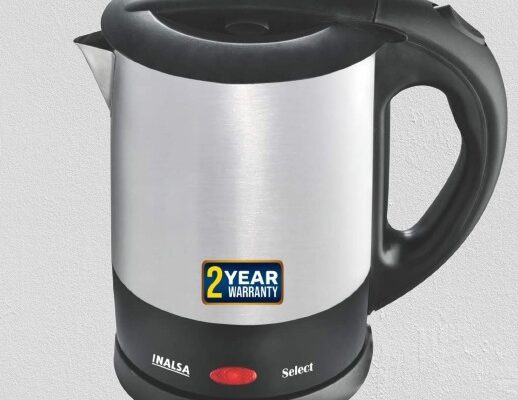
Buying your first electric kettle? Don’t assume all models are equal. You’ll want to avoid common mistakes—wrong wattage, misleading capacity, poor safety features, hard-to-clean designs, and overlooked warranties—that can cost you time and money. Pick the right size, materials, and controls for how you actually use it, and you’ll avoid regret; keep going to see the key pitfalls most buyers miss.
Key Takeaways
- Don’t pick wattage blindly—match 1000–1200W for older wiring, 1500–1800W for typical kitchens to avoid tripped breakers.
- Check usable capacity and internal fill marks, not just the headline liters, to avoid overfilling and boil-over.
- Prioritize safety features: reliable auto shut-off, boil-dry protection, stable lid, and cool-touch handle.
- Choose food-grade, non-reactive materials (304 stainless or BPA-free plastics) and avoid thin plated metals.
- Opt for variable temperature control and clear displays if you brew tea or specialty coffee for best flavor.
Choosing the Wrong Wattage for Your Needs
What wattage do you actually need? You’ll want a kettle that balances speed with your kitchen’s electrical limits. Higher wattage heats faster but draws more current; if your circuit is already near capacity, you risk tripping breakers or overheating outlets. For typical single-phase home kitchens, 1500–1800 watts is a safe, efficient range—fast boiling without undue electrical strain. If you live in an older home with limited wiring, choose 1000–1200 watts and expect slower boil times. For shared living spaces or small apartments, lower wattage reduces the chance of nuisance trips on communal circuits. Always check the kettle’s rated current and compare it to your outlet and breaker specs; match plugs to grounded, properly installed sockets. Avoid adapters that hide poor connections. If you’re uncertain, consult a licensed electrician before buying. Prioritizing wattage that suits your electrical environment keeps you safer and prevents damage to wiring and appliances. Also consider kettle build and material—stainless steel kettles often give more even heating and better durability.
Ignoring Actual Water Capacity Versus Advertised Capacity
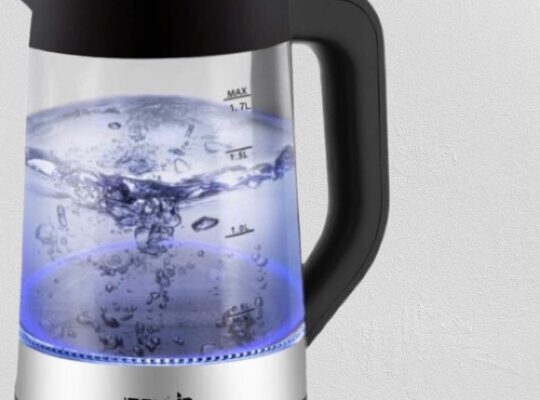
Ever wondered why your “1.7‑liter” kettle only fills your mugs twice? Manufacturers quote maximum capacity, but safety and boil-over margins mean usable volume is less. You need to check the minimum and maximum fill marks inside the kettle; filling above the max can cause spills and scalding, while filling to the absolute top may prevent proper steam venting and trigger automatic shutoff errors.
When shopping, look for clear internal markings and user manuals that state usable capacity. If you regularly make multiple cups, choose a model whose usable volume matches your routine rather than its headline figure. For households with children or limited counter space, a slightly smaller, accurately labeled kettle is safer than an oversized one you can’t actually use.
Always leave the recommended headspace when boiling, and never force extra water in. That reduces burn risk and prolongs the appliance’s life, keeping your kitchen safer and more reliable. To keep performance and taste consistent, descale periodically with white vinegar or citric acid following the manufacturer’s instructions.
Overlooking Boil Time and Energy Efficiency
Because boiling time and energy use directly affect your bills and convenience, you shouldn’t treat them as afterthoughts when choosing a kettle. Faster boil times save you time and often indicate efficient heating elements; they also reduce the period a hot appliance is powered, lowering risk of accidental burns or faults. Check wattage ratings and independent reviews for real-world boil times — higher watts usually mean quicker boils but watch for poor insulation that wastes heat.
Energy-efficient kettles have good insulation, tight lids, and accurate auto-shutoff to avoid wasted cycles. Choose a model that heats only the amount you need; filling to the minimum safe level preserves energy and safety. Avoid kettles with long standby power draw or unstable bases that could trip and spill hot water. Prioritize models with clear safety certifications and documented efficiency; that way you’ll save money, use less energy, and reduce the chance of accidents from prolonged heating. Read the manufacturer’s manual to confirm features and safety guidelines.
Forgetting About Variable Temperature Control
Don’t assume one heat setting fits all — different teas and coffee need different temperatures to bring out their best flavors. Choose a kettle with variable temperature control so you can set precise temps for green tea, oolong, or pour-over coffee. That precision saves you from scorched leaves and inconsistent brews. Many kettles, like some AGARO models, also include a Keep Warm function to maintain your chosen temperature for extended periods.
Match Temps to Beverages
How hot should your water be for the perfect cup? You shouldn’t guess. Different teas, coffee methods and instant drinks need specific temperatures to avoid bitterness, scalding or under-extraction. Green and white teas prefer 150–175°F (65–80°C); delicate leaves scorch at boiling. Oolong likes 175–195°F (80–90°C). Black tea and most pour-over coffees do best near 200–205°F (93–96°C). Instant drinks and baby formula often need lower, safe-to-handle temperatures. Always check the beverage’s recommended range and let the kettle cool or sit briefly when needed — don’t pour boiling water onto delicate leaves or into a baby bottle. Matching temperature improves flavor and reduces safety risks from overheating or improper handling.
Ease of Precise Control
Want the kettle to do more than just boil? If you skip variable temperature control, you’ll limit safety and beverage quality. You need a kettle that lets you set precise temps for delicate teas, baby formula, and pour-over coffee — each demands different heat to avoid scalds or bitterness. Look for clear digital displays, incremental settings (e.g., 50–100°C in 1–5° steps), and reliable thermostats that hold temperature without repeated boiling. Safety features matter: automatic shutoff at target temp, boil-dry protection, and cool-touch handles reduce risk when you’re managing exact heat. Don’t assume all kettles are equal; test accuracy if possible and choose models with positive reviews on temperature consistency to protect flavor and prevent accidents.
Neglecting Safety Features Like Auto Shut-Off and Boil-Dry Protection
Don’t buy a kettle that lacks auto shut-off — you’ll risk overheating or leaving it on all night. Skipping boil-dry protection is dangerous because the element can burn out or cause a fire if the kettle runs empty. Prioritize models with both features to keep your kitchen safe and your appliance lasting longer. Tesora’s 1500 watts power provides fast heating and good performance with these safety features in mind, making it a strong option for many households with high wattage.
Missing Auto Shut-Off
Ever left a kettle boiling and realized it could’ve been worse? If your kettle lacks an auto shut-off, you’re relying on luck and memory. Auto shut-off prevents overheating when water reaches boiling point and cuts power if the switch sticks. You should pick a model with a reliable, quick-acting sensor and a tested shut-off mechanism; check reviews and safety certifications. Without it, you risk damage to the kettle, burned bases, or electrical hazards. Don’t assume cheap designs include consistent cut-off performance. Prioritize kettles with clear documentation about their shut-off behavior and visible indicators that the cycle completed. It’s a small feature that prevents accidents and protects your home—don’t skip it.
No Boil-Dry Protection
How would you react if your kettle boiled dry while you were out of the room? You’d want a device that won’t overheat, scorch, or cause a fire when water runs out. Boil-dry protection and reliable auto shut-off are non-negotiable safety features. Pick models with thermostats and thermal cut-outs that cut power when temperature spikes or when no water’s detected. Test the mechanism—read reviews focused on long-term reliability and manufacturer safety certifications. Avoid cheap units that advertise fast boil times but skimp on safeguards. If you have children or pets, choose kettles with cool-touch exteriors and secure lids to reduce accidental spills. Prioritize proven protection over aesthetics; it’s a basic safety investment you won’t regret.
Picking Poor Build Materials That Stain or Corrode
Why would you pick a kettle built from materials that stain, pit, or corrode after a few months? You shouldn’t. Materials matter for safety, taste, and longevity. Choose food-grade stainless steel (304/18-8) or BPA-free, heat-resistant plastics for non-boil surfaces. Avoid thin, plated metals and low-grade alloys that flake or react with hard water. Corrosion can release metals, compromise seals, and create hotspots that shorten element life.
I recommend considering trusted brands like Philips when choosing durable materials and reliable construction.
| Material | Pros | Cons |
|---|---|---|
| 304 Stainless | Durable, non-reactive | Pricier |
| Plated Metal | Looks cheap, low cost | Can chip, corrode |
| Heat-Resist Plastic | Lightweight, safe if certified | Can stain over time |
| Glass | Inert, visible | Breakable, heavier |
| Low-Grade Alloy | Cheap | Risks corrosion, contamination |
Inspect seams, base plate, and interior finish. Look for certifications (LFGB, NSF) and clear material specs. If it’s vague, walk away — you’re buying safety, not just a kettle.
Underestimating the Importance of a Comfortable Handle and Spout Design
Wondering why handle and spout design matter as much as boiling speed? You’ll use the kettle by hand, so ergonomics and pour control are safety features, not luxuries. Choose a handle that feels secure with a natural grip, stays cool to touch, and positions the kettle so your wrist isn’t strained when full. A poorly placed or thin handle increases spill risk and scald potential.
The spout must deliver a steady, controlled stream. Look for a well-shaped, narrow spout that avoids dribbling and splashes when you tilt slowly. A wide or blunt spout can gush unexpectedly; a rusty or loose spout suggests poor fit and future leaks. Check lid sealing and spout alignment to prevent steam burns and accidental tipping.
Before you buy, lift a filled kettle if possible or read reliable tests that measure pour precision. Prioritize secure handling and predictable pouring — that’s where everyday safety lives, more than a few extra seconds shaved from boil time. Modern kettles also include automatic shut-off and boil-dry protection to improve safety and convenience.
Overpaying for Unnecessary Smart Features
Don’t pay extra for smart bells and whistles you won’t use—pick features that actually fit your routine. Check for hidden subscription fees and whether app control or voice commands require ongoing payments. And make sure any smart kettle is compatible with the devices and ecosystems you already use. Consider instead buying a reliable stainless steel kettle with essential safety features and a 360-degree swivel base.
Pay for What You’Ll Use
While smart kettles with app controls, voice activation and temperature presets sound convenient, you’ll pay a premium for features you probably won’t use daily. Think about how you actually boil water: if you mainly make tea or instant meals, simple temperature settings and an automatic shutoff are enough. Don’t let flashy extras—remote scheduling, complex apps, or integrations—drive your choice when basic safety and durability matter more. Prioritize models with clear safety certifications, boil‑dry protection, and stable lids. If you occasionally need precise temps, pick a kettle with reliable presets rather than a costly smart ecosystem. That keeps upfront cost down, reduces potential software vulnerabilities, and ensures you’re investing in real, usable safety and performance.
If you’re skipping fancy integrations to save money, check the fine print on smart kettles—you might still be on the hook for recurring fees. You’ll want to confirm whether remote-control, recipe packs, or extended warranties require subscriptions; ongoing charges add risk and complicate safe use if services lapse. Compare models by total cost of ownership, not just sticker price. Ask vendors what features work offline and whether firmware updates remain free. If safety alerts or boil-dry protection rely on cloud services, recurring fees could affect protection.
| Feature | One-time cost | Subscription risk |
|---|---|---|
| Remote app control | Purchase | Medium |
| Premium recipes | Free/paid | High |
| Safety alerts | Included | Low/High depending on cloud |
Compatibility With Devices
Wondering whether you need a smart kettle at all? If you’re tempted by app control, voice commands or Wi‑Fi, pause and assess compatibility before you buy. Check that the kettle works with your phone’s OS and any smart home hubs you use; mismatched apps or regional firmware can render features useless. Don’t pay extra for proprietary platforms that lock you into subscriptions or limit integrations with safer automation routines. Prioritize basic safety features—auto shutoff, boil‑dry protection and tactile controls—over remote gimmicks. If remote control genuinely helps (for mobility or caregiving), verify secure connections and timely firmware updates. Otherwise, choose a reliable, non‑smart model: it’s cheaper, simpler and often safer for everyday use.
Forgetting to Check for Removable and Washable Filters
Have you checked the kettle’s filter before you buy it? You should — a fixed, non-removable filter traps scale and debris but makes cleaning risky and ineffective. You’ll want a removable, washable filter so you can inspect, scrub, and replace it, maintaining water quality and reducing bacterial buildup. A detachable mesh or carbon filter lets you clean without scratching the kettle or leaving residue that affects taste and safety.
- Panic — when you find scale that won’t come out.
- Frustration — dealing with cloudy tea and lingering odors.
- Relief — after a simple rinse restores clean water.
- Confidence — knowing filtration won’t hide contamination.
Check that the filter seats securely to avoid leaks and that replacement parts are available. Prefer stainless-steel or fine mesh that’s easy to remove and dishwasher-safe. Prioritize filters that are simple to access for safer, healthier boiling every day. Also consider kettles with auto shut off for added safety and convenience.
Ignoring Noise Levels and Clicks During Operation
Why does the kettle click, hum, or roar so loudly? You’ll want to know because noise can signal issues that affect safety and comfort. Some clicking is normal when the thermostat trips, but loud bangs, sustained humming, or vibrating roar can mean loose components, mineral buildup on the heating element, or an imbalanced base. Don’t ignore persistent or changing sounds.
When shopping, test the kettle if possible or read focused reviews about operation noise. Choose models with solid construction, quiet auto-shutoff mechanisms, and insulated housings. At home, descale regularly and ensure the kettle sits flat on its base; that reduces vibration and prevents overheating. If unusual sounds appear during use, unplug and inspect for loose parts, limescale, or water levels below minimum—continued use could stress the thermostat or element and create a hazard. Prioritize quiet, well-built kettles so you’re not tolerating warning signs that compromise safety. Also avoid using a kettle for cooking methods like frying since they present serious safety risks and can damage the appliance.
Choosing a Kettle That’s Hard to Clean or Has Crevices
How easy is it to actually clean the kettle after months of use? You’ll regret a design with narrow spouts, glued seams, or fixed filters that trap limescale and bacteria. Hard-to-reach crevices become sanitation hazards, increase wear, and force harsh scrubbing that damages finishes. Pick kettles with wide openings, removable lids and filters, and smooth interiors you can inspect and descale quickly. Prioritize models with stainless steel or glass interiors — they resist staining and corrosive cleaners.
- Narrow spout that hides scale — gross, unsafe.
- Non-removable filter or lid — you can’t sanitize it.
- Hidden seams and underbase crevices — breeding spots for mold.
- Porous coatings that trap grime — they degrade and contaminate.
You want a kettle that stays clean with minimal effort. Inspect the interior access, component removability, and material before buying. Simple, serviceable designs reduce contamination risk and keep boiling water safe for your family.
Not Considering Cord Storage and Base Stability
Cleaning-friendly design matters, but don’t ignore what sits under and around the kettle. You’ll want a base that grips the counter and a cord that tucks away neatly. A loose base can slide when you lift the kettle, increasing spill and burn risk. Look for non-slip feet, low center of gravity, and a snug 360° connector so the kettle can’t wobble when you set it down.
Cord storage isn’t just tidy—it’s safety. A long, exposed cord can catch on handles or hang over the edge, pulling hot water down with it. Choose a model with a recessed cord channel or retractable cord that keeps excess length hidden and the plug secure. If you’ll use the kettle on a crowded surface, test stability with a full boil; if it shifts, don’t buy it. Prioritize secure bases and contained cords to minimize tipping, tripping, and scald hazards.
Overlooking Warranty, Repairability, and Replacement Parts
Ever thought about what happens when your new kettle stops working after the warranty expires? You’ll want more than a short warranty and an apologetic customer service script. Check warranty length, what’s covered (heating element, electronics, accidental damage), and whether proof of purchase is required. Ask if the manufacturer offers repair guides, authorized service centers, or user-replaceable parts.
- Feeling stranded when a small, fixable fault becomes a landfill-bound replacement.
- Frustration if you can’t source a replacement heating element or lid hinge.
- Anxiety over hidden costs when only full-unit replacement is offered.
- Relief knowing parts are available and repairs are straightforward.
Choose brands that publish parts lists and schematics, or that sell spare filters, lids, and bases. Prioritize repairability for safety — a properly repaired kettle is safer than a jury-rigged one. Keep receipts and register the product; it’s a simple step toward long-term protection.
Buying Without Considering Mineral Scale and Hard-Water Solutions
If you live in a hard-water area, mineral buildup will shorten kettle life and affect taste, so don’t ignore it. Check how often a model needs descaling and whether the manufacturer recommends a simple schedule or frequent maintenance. Prefer kettles with removable or built-in filters and accessible heating elements to cut down on scale and make cleaning easier.
Hard Water Effects
Worried about white crust and shorter kettle life? You should be. Hard water leaves mineral scale that reduces heating efficiency, causes hot spots, and can compromise the kettle’s safety features. If you ignore it, you’ll face higher energy use and potential failure.
- Frustration — scale clogs heating elements, reducing performance.
- Cost — premature replacement or repairs hit your wallet.
- Safety concern — scale can interfere with auto-shutoff reliability.
- Taste and hygiene — minerals alter water flavor and encourage residue.
Choose kettles with accessible, removable filters and smooth, easy-to-clean interiors. Consider a model compatible with water-softening options or filtered water. Regularly inspect the interior and filter; addressing scale promptly protects performance and keeps boiling safe.
Descale Frequency Need
Scale buildup isn’t just an annoyance — it determines how often you’ll need to descale and what kettle will actually suit your water. If you don’t match kettle material and power to local hardness, you’ll be descaling constantly, risking reduced efficiency and safety. Check local water reports, plan a descaling schedule (weekly to monthly for very hard water, quarterly for soft), and keep safe, manufacturer‑approved descalers on hand. Note that frequent heating with scale raises boil time and stress on elements; regular removal preserves auto‑shutoff reliability.
| Water Hardness | Descale Frequency | Safety Note |
|---|---|---|
| Soft | Every 3–6 months | Low risk |
| Moderate | Monthly | Check seals |
| Hard | Weekly | Monitor auto‑shutoff |
Built‑In Filter Options
How often do you expect to deal with mineral buildup — and will the kettle’s filter actually help? You’ll want a solid, accessible filter if you have hard water; cheap meshes trap only large particles and won’t prevent scale. Look for removable, dishwasher‑safe filters or ones labeled for limescale reduction. Consider models with replaceable cartridges if scale is severe, and check replacement availability and cost. Don’t forget to match filter type to your cleaning routine so safety isn’t compromised by neglected scale.
- Fear: brittle seals and hidden scale that short the element.
- Relief: easy‑remove filters that show accumulated deposits.
- Confidence: clear replacement schedule and parts availability.
- Safety: models designed to minimize scale buildup and contamination.
Failing to Match the Kettle’s Size and Style to Your Kitchen and Usage
Think about where and how you’ll actually use the kettle: a compact 1‑liter model that looks great on a tiny counter won’t serve a household of three, and an oversized stainless steel jug can overwhelm a minimalist kitchen. You should match capacity, footprint, and finish to daily needs and safety constraints — balance boiling speed, storage, and handling. If you ignore size and style, you risk spills, awkward lifting, or clutter that hides vents and cords.
| Capacity | Best for | Safety note |
|---|---|---|
| 0.8–1.0 L | Solo users, small counters | Lighter to lift, less boiling volume |
| 1.2–1.7 L | Couples/small families | Avoid overfilling; stable base |
| 1.8–2.5 L | Large households | Heavier when full; use two‑hand lift |
| Compact/Portrait design | Narrow counters | Ensure cord placement and ventilation |
Choose a model you can lift confidently, fits your counter, and lets steam vent safely — aesthetics shouldn’t compromise function.
Frequently Asked Questions
Can an Electric Kettle Be Used for Sterilizing Baby Bottles?
Yes — you can use an electric kettle to sterilize small baby bottle parts by boiling water, but you shouldn’t submerge entire bottles with plastic lids or nipples unless manufacturer approves; always follow temperature, time, and safety guidance.
Is a Kettle Safe for Heating Milk or Soup Directly?
You shouldn’t heat milk or soup directly in most electric kettles; they can scorch, boil over, clog heating elements, or be unsafe. Use a stovetop or microwave-safe container, stirring often and monitoring temperature closely for safety.
Can I Use Filtered or Distilled Water Only in My Kettle?
Yes — you can use filtered or distilled water. Filtered reduces scale and taste issues; distilled prevents all mineral buildup but can leach metals over long term. Flush and descale per manufacturer to keep the kettle safe and lasting.
Do Kettles Affect Tea or Coffee Flavor Beyond Temperature?
Yes — kettles can affect flavor beyond temperature. Mineral content, residual scale, metal taste from cheap elements, and lingering odors alter brew profiles. You’ll get cleaner flavor using low-scale, stainless or glass kettles and regular descaling.
Are Travel-Size Kettles Safe for International Voltages?
Yes — but check the label: many travel kettles are dual‑voltage (110–240V) and safe worldwide if you use the correct plug adapter. If it’s single‑voltage, don’t plug it into incompatible mains — you’ll damage it or risk hazard.