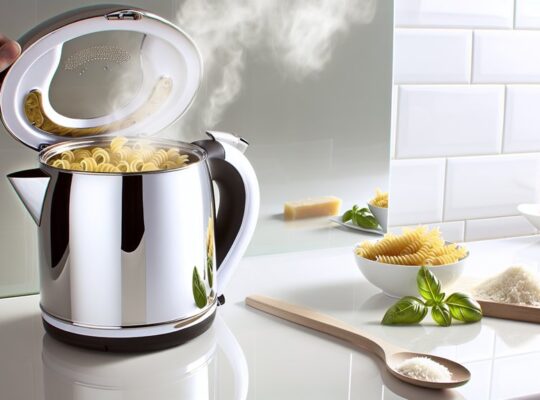
If you’re outfitting a small household, picking the right electric kettle means balancing capacity, speed, and safety without wasting counter space. You’ll want 1–1.7 liters, a concealed element for easy cleaning, and features like auto shut-off and boil-dry protection. Materials and insulation affect taste, durability, and energy use, so consider stainless steel or glass options — plus a few handy extras that may be worth the price, such as temperature presets and a keep-warm function.
Key Takeaways
- Choose a 1–1.7 L kettle to suit three–four people without wasting energy or storage space.
- Prefer concealed heating elements for easier cleaning, reduced limescale buildup, and improved safety.
- Look for boil-dry protection, auto-shutoff, and a secure locking lid to minimize burn and spill risks.
- Select materials (stainless steel or borosilicate glass) for durability and nonreactive water contact; ensure BPA-free plastics.
- Consider variable temperature presets and keep-warm options if you brew different teas, coffee, or prepare baby formula.
Why Capacity Matters for a Small Family
Why does kettle capacity matter for a small family? You’ll want a size that matches daily needs without wasting energy or creating safety risks. A 1–1.7 liter kettle usually covers morning tea or coffee for three to four people, so you won’t need repeated boils that raise scalding risk and wear the appliance. Smaller kettles mean less standing water, which cools faster and reduces bacterial buildup, but they can force multiple boils when guests arrive. Larger ones hold more but can be heavy to lift when full, increasing spill and burn hazards, especially with children around. Choose a capacity that fits your typical servings and storage space; look for clear water-level markings so you only boil what you need. That conserves energy and limits steam exposure. Prioritize models with secure lids, stable bases, and cool-touch handles to keep everyday use both efficient and safe for your family. Consider a 1.2-liter multi-purpose kettle if you want a balance between capacity and portability.
Fast Heating: What to Look for in Power and Element Type
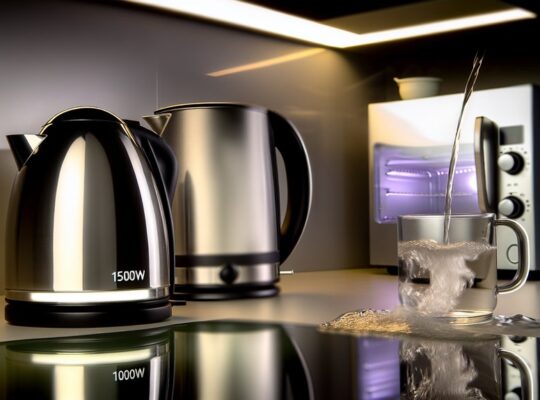
If you want boiling water fast for a small family, look for kettles with higher wattage since they heat more quickly. Also check the element type—rapid-heat concealed or stainless-steel elements transfer heat efficiently and clean up easily. Balancing wattage and a good element will cut waiting time without wasting energy. Choose models with at least 1500 watts for quicker boils and better energy efficiency 1500 watts.
High Wattage Advantage
Speed matters when you’ve got a small family and a short morning window, so higher-wattage kettles are worth considering — they boil water faster and cut wait time between cups. You’ll want a model with at least 1500–1800 watts for quick performance without overtaxing household circuits. Higher wattage shortens boil time, so you can make successive drinks faster and reduce idle time on stovetops. Look for kettles with clear power ratings and built-in safety features: auto shutoff, boil-dry protection, and cool-touch handles. Higher wattage can mean hotter surfaces, so guarantee insulation and stable bases. If you live in an older home, check your circuit capacity first to avoid tripping breakers. Choosing the right wattage balances speed, safety, and practicality.
Rapid-Heat Element Type
Wondering how kettle elements actually affect boil time and durability? You’ll want to balance wattage with element type. Exposed coil elements heat fast but can trap scale and are harder to clean, increasing wear and safety risk over time. Concealed stainless steel or rapid-heating flat elements offer quick, even heating while staying easier to descale and less likely to cause burns from accidental contact. Look for kettles with 1500–2200W for quick boils in small-family kitchens, and choose corrosion-resistant materials and surgical-grade or food-safe stainless steel coverings. Also prioritize automatic shutoff and boil-dry protection tied to the element design. That way you get rapid heat without compromising longevity or safety for your household.
Size and Countertop Footprint Considerations
Think about how much hot water your household actually uses so you choose a capacity that’s not wasteful but can still make multiple cups when needed. You’ll also want to consider the kettle’s footprint and whether its base is compact or has cord-wrap storage to keep counters tidy. If space is tight, a slim or smaller-capacity model with a detachable base can make daily use and storage much easier. Regular descaling every 1-3 months helps prevent mineral buildup and keeps performance steady.
Capacity vs. Use
When you pick an electric kettle, match its capacity to how you actually use it: a 1–1.7 liter model works well if you regularly make multiple cups, simple family meals, or need hot water for a few kids, while a 0.5–0.8 liter kettle is better if you mostly brew single cups or have limited counter space. Think about typical servings: estimate how many cups or recipe portions you heat at once and choose a kettle that handles that volume without repeated boiling. Bigger kettles save time but use more energy per boil; smaller ones heat faster and reduce wasted hot water. For safety, avoid overfilling, check the max fill line, and pick a size that keeps handling comfortable to prevent spills or scalds.
Base and Storage
How much counter space can you spare for a kettle? Consider the base size and storage needs so the appliance fits safely without crowding work areas. You’ll want a stable base, cord management, and a footprint that suits your kitchen layout.
- Compact round or slim oval base: takes less countertop room and reduces tip risk; check base diameter vs. available space.
- Cord storage or retractable cord: keeps cords tucked away to avoid tripping or accidental pulls; safer for families with kids.
- Detachable base with vertical storage option: lets you stow the kettle in a cupboard when not in use, freeing countertop space and lowering dust exposure.
Measure before buying to ensure safety, stability, and convenient storage.
Safety Features That Give Peace of Mind
What safety features should you prioritize when picking an electric kettle for a small family? You’ll want automatic shut-off and boil-dry protection first — they stop the kettle if water’s boiled away or if it reaches a set temperature, preventing overheating and fire risk. Look for a cool-touch exterior and insulated handle so curious kids can’t get burned during use. A secure, locking lid prevents accidental spills when you carry or pour. Anti-slip base or rubber feet keep the unit steady on counters, reducing tipping hazards. Cord storage and a cordless or 360-degree detachable base minimize tripping and make lifting safer. Indicator lights and audible alerts give clear feedback when the kettle’s on or finished, so you’re not guessing. If your home has little ones, consider a model with child-lock features. Finally, check for safety certifications (UL, ETL, CE) and clear manufacturer instructions — those certifications and good documentation reassure you the kettle meets basic safety standards. Many popular 1.0‑liter kettles also offer a 360-degree swivel base for easy handling and placement.
Material Choices: Stainless Steel, Glass, and Plastic Pros and Cons
When choosing between stainless steel, glass, or plastic kettles, you’ll want to weigh durability and how long each material will last in daily use. Consider health and safety — like whether materials can leach chemicals or are easy to sanitize — as well as how quickly and evenly they transfer heat. These factors will help you pick a kettle that’s efficient, safe, and suited to family use. Always prioritize kettles with automatic shut-off and overheat protection for travel and household safety.
Durability and Longevity
Curious which material will actually last in daily use? You want a kettle that survives routine bumps, heating cycles, and frequent use. Here’s a concise look so you can pick confidently.
- Stainless steel: Highly durable, resists dents and corrosion, and handles heat cycles well; it’ll usually outlast other materials if you avoid harsh scrubbing.
- Glass: Looks clean and lets you see water level, but it’s more fragile—tempered glass helps, yet it’s prone to chips and cracks from impacts or thermal shock.
- Plastic: Lightweight and less likely to shatter, but lower-end plastics can warp or discolor over time; choose BPA-free, heat-resistant blends for better longevity.
Choose based on expected handling and replacement preferences to maximize lifespan.
Health and Safety
You’ve just weighed durability, so next think about how materials affect safety and your family’s health. Stainless steel won’t leach chemicals, resists corrosion, and’s easy to clean—good for regular use and picky immune systems. Glass gives visual clarity: you can spot mineral buildup and avoid boiling old water, but it can chip or shatter if dropped. BPA-free plastic models are lightweight and often cheaper, yet plastics may hold odors, stain, or degrade over time; choose only BPA- and phthalate-free labels and minimal internal plastic contact. Whatever you pick, inspect seals and coatings regularly, descale per manufacturer guidance, and avoid kettles with exposed heating elements that trap deposits. Prioritize nonreactive surfaces and clear maintenance instructions for family safety.
Heat and Efficiency
How fast your kettle boils and how much energy it uses depends a lot on the material it’s made from—so choose smartly for both speed and lower power bills. You’ll want a balance of quick heating, heat retention, and safe surfaces that don’t leach chemicals.
- Stainless steel: Heats quickly, durable, and won’t leach; exterior can get hot, so look for double-wall insulation or a cool-touch handle.
- Glass: Lets you monitor boil, won’t react with water, but cools faster and can use slightly more energy; choose borosilicate glass for strength.
- Plastic: Lightweight and often cheaper, but watch for BPA-free certification and potential odors; usually less heat retention.
Pick a model with good insulation and an automatic shutoff for safety and efficiency.
Temperature Control and Presets for Different Beverages
Want water at the exact temperature for green tea, pour-over coffee, or baby formula? You’ll appreciate a kettle with precise temperature control and useful presets. Look for models that let you set specific degrees (e.g., 60°C, 80°C, 95°C) and hold that temperature for a set time so you can safely prepare delicate teas or cool formula without repeated reheating. Presets simplify common tasks—one-touch options for tea types, coffee, and baby needs reduce guesswork and handling. Check for clear digital displays, tactile buttons, and an accurate thermostat; some kettles include temperature calibration or app control for fine-tuning. Safety features matter: automatic shutoff at the set temperature, boil-dry protection, and a secure lid reduce scald risk. If you’ll be preparing formula, confirm the kettle can reach and maintain recommended safe temperatures. Choosing a kettle with reliable temperature control gives you consistency, convenience, and greater peace of mind for family use. Also consider the kettle’s heat retention properties to preserve temperature and improve energy efficiency.
Energy Efficiency and How to Save on Electricity
Good temperature control helps you avoid reheating and wasting energy, but the kettle you pick also affects your electricity bill. You’ll want a model with rapid boil and insulated walls so you use less power and keep water hot longer. Match capacity to your household — boiling more water than you need wastes energy and time. Look for an efficient 1500–2200W element that heats quickly without excessive draw.
Consider these simple habits to cut usage safely:
- Fill only what you’ll use and avoid frequent top-ups; less water equals less energy.
- Use a keep-warm setting sparingly; reheating cold water is often more efficient than long standby heat.
- Descale regularly to maintain element efficiency and prevent longer boil times.
Choose kettles with automatic shutoff and boil-dry protection to prevent accidents and wasted cycles. Small changes in habits and a well-designed kettle will lower consumption and keep your family safe. Many reliable brands, like Prestige kettles, offer affordable models with suitable capacities and safety features.
Ease of Cleaning and Maintenance Tips
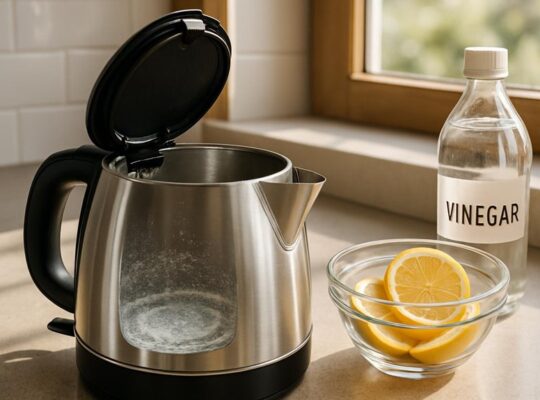
Ever wonder which kettle will make cleanup the least hassle? You’ll want models with wide openings, removable limescale filters, and smooth interiors so you can rinse and wipe quickly. Descale regularly with a vinegar solution or citric acid to prevent buildup; always unplug and cool the kettle before cleaning. For exterior spills, use a damp cloth and mild detergent — avoid abrasive pads that damage surfaces or compromise safety.
| Task | Frequency | Tip |
|---|---|---|
| Rinse interior | After each use | Pour out leftover water to reduce mineral spots |
| Wipe exterior | Weekly | Use soft cloth, avoid abrasive cleaners |
| Descale | Monthly or when needed | 1:1 vinegar/water or citric acid soak |
| Filter clean | Monthly | Remove, rinse under running water |
| Deep clean | Every 3 months | Fill, boil, cool, rinse thoroughly |
Keep electrical base dry and check cord integrity. Proper maintenance extends life and keeps boiling safe — simple routines prevent hazards and costly replacements. Boil a vinegar-and-water solution and let it sit to remove limescale buildup before scrubbing and rinsing thoroughly.
Top Features Worth Paying Extra for
When shopping for an electric kettle, it’s worth investing in a few premium features that save time, improve safety, and deliver better tea or coffee every day. You’ll appreciate thoughtful upgrades that reduce risk, improve temperature control, and make daily use simpler. Prioritize features that protect your family and preserve flavor.
- Variable temperature settings: lets you pick exact temperatures for different brews, preventing scalds and extracting best flavor from delicate teas.
- Boil-dry and auto-shutoff protection: prevents damage and fire risk if the kettle runs out of water or is left on, giving you peace of mind.
- Fast heating with high-efficiency elements and insulated bodies: shortens wait time while keeping the exterior cool to the touch, reducing burn risk for kids or seniors.
Glass kettles offer clear visibility of water levels and brew color, and are made from tempered glass that is corrosion-resistant and easy to clean.
How to Choose the Best Kettle for Your Family’s Routine
How will your family’s daily habits shape the kettle you pick? Think about how often you boil water, who uses it, and for what. If mornings are rushed, prioritize fast-boil and a generous 1–1.7 L capacity so you’ll make multiple cups without reheating. For small kids or older adults, choose cool-touch handles, automatic shutoff, and boil-dry protection to reduce burn and fire risk. If someone prefers tea at precise temperatures, get variable-temp control and hold-warm features. Counter space and cord storage matter if you’ve limited kitchen room. Noise level counts if you have light sleepers. Materials affect safety and taste: opt for BPA-free plastics, stainless steel, or glass with easy-to-clean interiors to prevent buildup. Energy efficiency and a clear on/off indicator help avoid accidental use. Match features to real routines rather than extras you won’t use — that keeps the kettle practical, safe, and a good long-term investment for your family. Also consider kettles with a concealed heating element for easier cleaning and improved safety.
Frequently Asked Questions
Can Kettles Be Used for Sous-Vide Cooking?
Yes — you can use a kettle for sous-vide if it maintains precise temperature. You’ll need good temperature control or an immersion circulator, monitor constantly, and avoid unsafe plastic or overfilling to prevent hazards.
Are Cordless Kettles Safe for Children to Handle?
Yes — cordless kettles can be safe for children to handle if you choose one with cool-touch exterior, automatic shut-off, boil-dry protection, stable base, and lockable lid, and you always supervise younger kids around hot liquids.
Do Electric Kettles Work at High Altitudes?
Yes — but boiling point drops with altitude, so your kettle will boil at lower temperatures and faster; you’ll get longer brew times for some drinks and may need adjusted recipes or a thermometer if precise temperatures matter for safety or taste.
Can I Descale With Vinegar Safely?
Yes, you can usually descale with diluted vinegar safely, but check your kettle’s manual first; use a 1:1 or 1:2 vinegar-water mix, soak briefly, rinse thoroughly, and avoid vinegar if manufacturer warns against it.
Will a Kettle Interfere With Smart Home Devices?
Generally no — a kettle won’t interfere with smart home devices because it’s passive. You should avoid metal-bodied kettles near sensitive antennas, keep Wi‑Fi routers clear, and unplug faulty kettles to prevent electrical noise or hazards.