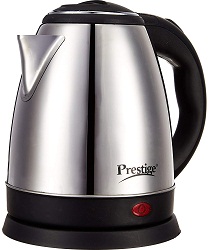
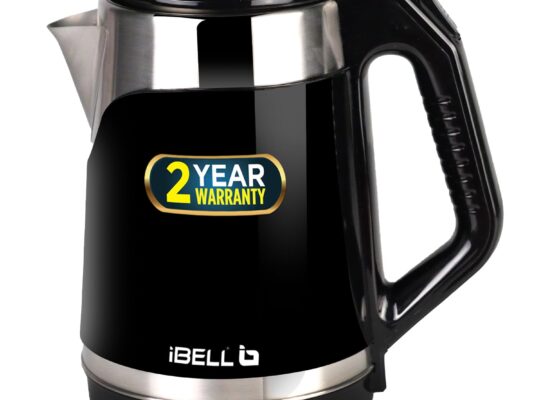
If you’re picking a kettle for a hostel, focus on safety, size, and ease of use. Choose compact capacity, food-safe materials, reliable auto shut-off and boil-dry protection, and a cool-touch handle. Look for cordless convenience, clear water markings, and simple cleaning. Get a model that won’t wake roommates or trip circuits—there’s more to check to make sure it fits your space and routine.
Key Takeaways
- Choose a compact capacity (0.5–1.2 L) to match solo use, boil quickly, and save energy.
- Prefer stainless-steel or BPA-free inner surfaces and welded seals for food safety and durability.
- Ensure safety features: auto shut-off, boil-dry protection, cool-touch handle, and safety certifications (CE/UL).
- Look for a lightweight, stable design with secure lid, cordless 360° base, and built-in cord storage for portability.
- Pick a model with concealed heating element, removable limescale filter, and easy descaling for long-term reliability.
Why Capacity Matters for Hostel Living
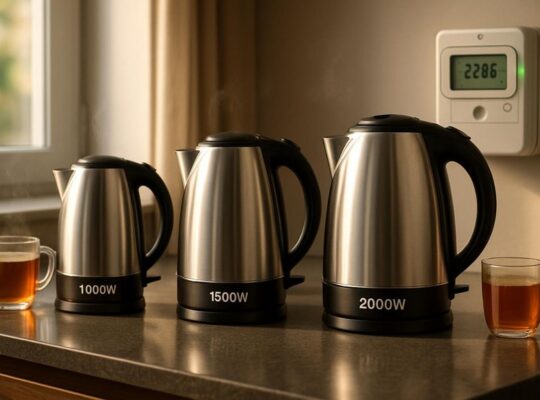
How many cups do you actually need at once? You’ll want a capacity that matches typical use without wasting energy or risking overfilling. Choose a kettle that lets you boil only what you’ll consume to reduce wait time and lower electricity use. For safety, ensure visible water level markings and don’t fill past the maximum line to prevent boiling over or steam burns. A smaller kettle heats faster and is easier to handle, while a larger one can be awkward in tight spaces and heavier when full. Consider how often guests or roommates share the outlet—frequent reheating increases wear and fire risk. Also factor in storage: a compact unit reduces clutter and tripping hazards. Pick a model with an automatic shutoff and boil-dry protection so it won’t keep heating an empty kettle. By matching capacity to realistic needs, you’ll balance convenience, efficiency, and safety in a hostel setting. Look for kettles with 1500 watts power for faster boiling and efficient use in shared living spaces.
Wondering what size kettle works best for your room type? You’ll want a size that matches how many people use it, saves space, and reduces risk from frequent refills. Consider these practical options:
- 0.5–0.8 L — Ideal for solo rooms; it’s compact, quick to fill, and minimizes boiling more water than you need. Good for single cups and safer to handle when pouring.
- 1.0–1.5 L — Best for two people or occasional guests; balances capacity and footprint, so you won’t refill constantly but still keep the kettle manageable.
- 1.7–2.0 L — Suited to shared rooms with several users; reduces refill frequency but needs stable placement and careful pouring to avoid spills.
Choose a size that fits available counter or shelf space and the number of daily servings. Smaller kettles reduce scald risk and are easier to store; larger ones demand secure placement and mindful handling to maintain safety. Many reliable brands offer models across these capacities, including affordable price ranges to match student budgets.
Fast Heating and Energy Efficiency Explained
Want hot water quickly without wasting power? You’ll want a kettle with higher wattage (1500–2200 W) and a compact capacity so water heats fast. Look for models with concealed heating elements and flat-bottom heating plates — they transfer heat efficiently and cut boil time. Auto shut-off and boil-dry protection save energy and prevent hazards, so never ignore those features.
| Feature | Why it matters |
|---|---|
| Wattage | Faster heat-up; shorter run time |
| Capacity | Smaller fills mean less energy used |
| Insulation | Keeps water hot longer, lowers re-boil |
| Safety cutoffs | Prevents dry run and energy waste |
You’ll save more power by boiling only what you need and using insulated mugs to retain heat. Timer or temperature-control kettles can be more efficient for repeated short uses. Prioritize clear indicators and reliable safety cutoffs; faster heating isn’t worth it without protections that prevent accidents and wasted energy. A higher-wattage kettle also makes it practical to soft-boil eggs quickly in a hostel setting.
Safe Materials and Build Quality to Look for
Check that the kettle’s inner surface is food-safe—stainless steel or BPA-free coatings are best to avoid taste and health issues. You’ll want a sturdy exterior that resists dents and insulates heat so it’s comfortable to handle in a cramped room. Also confirm reliable seals and built-in electrical protections (auto-shutoff, boil-dry protection) to prevent leaks and safety hazards. Be mindful of train and hostel safety regulations when using or storing the kettle to avoid fines or hazards.
Food-Safe Inner Surfaces
How will the kettle’s inner surface affect what you can safely boil and drink? You’ll want materials that don’t leach, retain flavors, or corrode. Inspect the interior finish, seams, and any coatings before buying.
- Stainless steel (food-grade 304/316): durable, non-reactive, easy to clean; avoid rusty or thin-feel metal.
- Glass: inert and taste-neutral, so you’ll see scale build-up; choose tempered glass with minimal plastic contact.
- BPA-free plastics/coatings: fine for parts not in direct water contact, but avoid inner plastic liners or cheap non-certified coatings.
Check manufacturer safety certifications and simple maintenance instructions. If the inner surface shows poor fit, visible glue, or uneven coating, don’t buy — it’s a hygiene and health risk.
Durable Exterior Construction
Why should the kettle’s outer build matter to you? You handle it daily, and a sturdy exterior reduces dents, scratches, and heat transfer risks. Look for stainless steel or BPA-free hard plastic with tight seams; those resist impacts and won’t degrade with boiling cycles. Check that paint or coating is oven-grade and won’t peel when exposed to steam. Examine welds and joints—clean, even finishes show better manufacturing control and fewer failure points. A solid base and reinforced handle attachment prevent wobble and accidental tipping. Prefer models with cool-touch exteriors or insulated sleeves to protect your fingers. Durable construction prolongs service life and keeps the appliance safe in a busy hostel environment. Avoid flimsy, thin materials that dent or crack easily.
Leak and Electrical Safeguards
A sturdy exterior helps, but you’ll also want to confirm the kettle’s internal seals and electrical protections are up to it so you don’t get leaks or shocks in a crowded hostel. Check materials and safety features before you buy.
- Look for food-grade stainless steel or BPA-free plastics, rubber gaskets that sit flush, and welded seams to prevent leaks.
- Confirm auto shut-off, boil-dry protection, and grounded plugs or double-insulation markings; these reduce fire and shock risks in shared wiring.
- Inspect cord strain relief, secure handle mounts, and a well-sealed lid; loose fittings or exposed heating elements raise hazard potential.
Choose models with clear safety certifications (CE, UL, BIS) and keep receipts for warranty and quick replacement if defects appear.
When you’re sharing a kitchen, safety features on an electric kettle aren’t optional — they’re essential for preventing burns, fires, and accidental scalding. You want clear auto-shutoff when water boils, boil-dry protection if it’s empty, a cool-touch handle to avoid burns, and a secure lid that won’t pop open. Choose kettles with stable, non-slip bases and visible water-level markers so you don’t overfill. Also check for safety certifications (CE, UL) and grounded plugs for dorm wiring.
| Feature | Why it matters |
|---|---|
| Auto-shutoff | Stops heating at boil to prevent fire |
| Boil-dry protection | Prevents overheating if empty |
| Cool-touch handle | Reduces burn risk when pouring |
| Secure lid | Prevents steam scalds and spills |
| Safety certifications | Ensures tested electrical safety |
Use kettles with simple controls and audible indicators so everyone in your shared space can operate them safely. Regularly inspect cords and fittings; replace any damaged unit immediately. Keep in mind that kettles are designed for boiling water rather than cooking with oil, so temperature control and proper use are important to avoid hazards.
Portability, Cord Storage, and Compact Design Tips
You’ll want a lightweight, compact kettle that won’t hog your limited shelf or suitcase space. Look for models with built-in cord storage or a retractable cord to keep counters tidy and prevent tripping hazards. These features make it easier to move, store, and use the kettle in tight hostel setups. Consider choosing materials like stainless steel for durability and better heat retention.
Lightweight and Compact Build
For hostel life, a lightweight, compact kettle makes daily cooking easier and saves precious storage space; you should look for models that balance low weight with sturdy materials so they won’t feel flimsy when you carry them. Choose a compact footprint that fits narrow shelves and won’t tip over on small countertops. Check build materials—thin plastic may be light but can crack; brushed stainless or reinforced polymer gives durability without excess mass. Consider handle ergonomics and lid security so you won’t spill hot water while moving the kettle.
- Weight: under 1.2–1.5 kg when empty is easy to lift.
- Size: capacity 0.8–1.2 L fits single-use needs and stores easily.
- Safety: cool-touch surfaces and stable base reduce burn risk.
Tidy Cord Storage Options
How will you keep your kettle tidy and portable without tangles? Choose models with built-in cord storage beneath the base or a rear wrap to lock the plug in place. These features prevent loose cords that trip or snag in cramped rooms. Look for a detachable base — it lets you lift the kettle without dragging the cord and stores the cable cleanly when you pack it. Shorter, flat cords are safer than long, round ones; they reduce slack and are easier to route out of the way. If the kettle lacks built-in options, use a Velcro strap or small cable tie to coil the cord neatly after cooling. Always unplug before wrapping and ensure the cord isn’t pinched to avoid insulation damage.
Cleaning and Descaling Made Simple
Wondering how to keep your kettle running efficiently without fuss? You’ll want a simple routine that prioritises safety and removes limescale before it affects heating or tastes. Rinse the kettle after each use and wipe the exterior dry to avoid water damage to the base. For descaling, use mild household agents and follow manufacturer limits to protect coatings and seals.
- Boil a vinegar-water mix (1:1), let sit 15–20 minutes, rinse thoroughly to remove smell and residues.
- Use citric acid or a commercial descaler if vinegar’s smell bothers you; dissolve, boil briefly, then let sit and rinse per instructions.
- For stubborn scale, repeat treatment or gently scrub with a soft brush; never use abrasive pads or metal tools that damage surfaces.
Always unplug before cleaning, avoid immersing the base, and ensure all parts are dry before reconnecting to reduce electrical risks and prolong the kettle’s life. Mineral deposits are primarily calcium and magnesium, which form the white, chalky residue known as limescale.
Controls, Temperature Settings, and Usability
Want precise hot water without fuss? Look for simple, clearly labeled controls that you can operate with one hand. A single on/off switch is fine for basic needs, but variable temperature settings (or preset buttons for 70°C, 80°C, 90°C, 100°C) give you control for tea, instant meals, and baby formula. Choose a kettle with an accurate thermostat and visible digital or analog readout so you can confirm temperature before use.
Prioritize usability: a comfortable, non-slip handle, a well-balanced pour, and a lid you can open safely with minimal force. Auto-shutoff and boil-dry protection are essential safety features—make sure indicators or audible alerts confirm status. Removable, washable filters and a wide mouth simplify cleaning. If you’ll use the kettle in a shared space, a stable base with cord storage keeps it tidy. Pick straightforward functions you’ll actually use; avoid cluttered menus that increase user error and maintenance. Electric kettles heat water quickly thanks to a built-in heating element that converts electrical energy into heat.
Noise, Steam, and Roommate Considerations
You’ve covered controls and safety, but how a kettle behaves in a shared space matters just as much. You’ll want a model that minimizes disturbance and reduces hazards from steam and noise so roommates stay comfortable and common areas stay safe.
- Choose quiet boil or low-noise models: noisy whistles or loud elements can wake or annoy roommates. Look for user reviews mentioning decibel levels or “quiet” operation.
- Manage steam direction and condensation: spouts that channel steam away from people and surfaces lower burn and mold risk. Avoid designs that vent upward into shelves or bedding.
- Consider auto-shutoff reliability and boil-dry protection: these prevent overheating if someone forgets water, and they cut noise once boiling finishes.
Pick kettles with controlled steam vents, clear auto-shutoff indicators, and modest boil times. Communicate with roommates about placement and use times to prevent conflicts and ensure everyone’s safety. Electric kettles with automatic shut-off and boil-dry protection are especially useful in hostels where appliances may be used unsupervised.
Budget, Warranty, and Long-Term Reliability
You’ll want to balance price against features so you’re not paying for extras you won’t use. Check warranty coverage closely for what’s and isn’t protected, how long it lasts, and whether repairs are easy to claim. Finally, assess build quality and materials to judge long-term durability and potential repair costs. Also consider whether the kettle offers temperature control to prevent overheating and improve versatility.
Price vs. Features
While budget will often drive your choice, balancing upfront cost against features and build quality matters more for hostel living; cheap kettles can save money now but may cost you in replacements, higher energy use, or poor safety features. You’ll want a kettle that lasts, uses power efficiently, and includes basic protections like auto-shutoff and boil-dry prevention.
- Consider price vs. materials: stainless steel or thicker plastic adds durability and heat retention, reducing replacements.
- Prioritize energy-saving features: smaller capacity, rapid boil, and insulated walls cut running costs over months.
- Factor expected lifespan: a slightly higher initial cost for proven reliability usually beats repeatedly buying very cheap units.
Choose the lowest-cost option that still meets safety and efficiency needs.
Warranty Coverage Details
How long should a warranty really influence your kettle choice? You should weigh warranty length and scope against common failure points: heating element, automatic shutoff, and electrical faults. A longer warranty (2–3 years) gives clearer protection for electrical failures; one year covers basic defects but may leave you exposed to early wear. Check whether the warranty is limited—does it exclude damage from hard water, drops, or modified parts? Note claim process: do you need proof of purchase, return shipping costs, or authorized service centers nearby? Prefer warranties with straightforward repair or replacement terms and no ambiguous “pro-rated” clauses. Keep a copy of the warranty and register the product if required. That ensures safer, cost-effective protection over time.
Durability and Build Quality
Want a kettle that won’t quit after a few months? Check materials, construction, and support so you get safe, reliable performance without surprises. Focus on sturdy components, clear safety features, and realistic expectations for cost versus lifespan.
- Exterior and interior materials: Choose stainless steel or BPA-free, food-grade plastics; avoid thin, dent-prone shells. Corrosion resistance and sealed heating elements reduce contamination and leaks.
- Build details: Tight seams, firm handles, stable bases, and strain-relief cords cut failures from drops and tugging. Removable limescale filters and easy-clean designs extend working life.
- Budget and warranty fit: Match price to expected use; prefer longer warranties and accessible service centers so defects get fixed, not ignored.
Accessories and Extras Worth Paying for
Looking for extras that actually matter? Pick accessories that boost safety and convenience without adding clutter. A removable, washable limescale filter keeps water clean and prevents blockages; it’s cheap but important if your water’s hard. An automatic shut-off and boil-dry protection are standard safety features, but a visible indicator light and cool-touch handle give extra reassurance during use. A locking lid and one-handed pour spout reduce spill risk in cramped rooms. If you share space, a cordless base with a 360° swivel helps you place the kettle quickly and avoid tripping over cords. A clear water gauge with minimum and maximum marks prevents overfilling. Fast-boil settings and a keep-warm function save time, but only choose them if they’re simple to operate — complex controls increase misuse risk. Finally, a removable power cord or stored-cord design reduces hazards when stowed. Prioritize features that directly reduce accidents and maintenance effort.
Frequently Asked Questions
Can You Use an Electric Kettle for Boiling Eggs?
Yes — you can boil eggs in an electric kettle, but don’t crack them first. Use enough water to cover eggs, avoid immersion if kettle has exposed heating element, monitor time, and handle hot eggs carefully to prevent burns.
Is a Travel Adapter Needed for Hostels Abroad?
Yes — you’ll need a travel adapter if the hostel’s sockets don’t match your plug type. Check voltage and frequency too; if they differ, use a certified converter or dual-voltage kettle to avoid damage and fire risk.
Can Kettles Run on Inverter Power During Outages?
Yes, many kettles can run on inverter power if the inverter and battery capacity match the kettle’s wattage and surge. You’ll want a pure sine wave inverter, adequate battery reserve, and proper safety fusing to avoid hazards.
Are Glass Kettles More Fragile in Crowded Rooms?
Yes — glass kettles are more fragile in crowded rooms, so you’ll need careful placement, padded storage, and cautious handling to avoid cracks or shattering; consider stainless steel or plastic if durability and safety are priorities.
Do Kettles Affect Wi‑Fi or Nearby Electronics?
No, kettles won’t affect Wi‑Fi or nearby electronics under normal use; they don’t emit interfering radio signals. Keep kettles plugged into properly grounded outlets, avoid damaged cords, and maintain safe distance from sensitive equipment to prevent heat or moisture issues.